
Working from home has brought a lot of amazing flexibility to our lives, hasn’t it? For many of us, the commute is gone, our sweatpants are a permanent fixture, and we can even sneak in a midday workout. But for a growing number of women trying to manage their weight, there’s a sneaky downside: the ever-present siren song of the snack drawer. If you’re asking yourself how to stop snacking working from home, you are definitely not alone. It’s a common challenge, and one that can derail even the best intentions for healthier eating.
The proximity of our kitchens, the stress of deadlines, the sheer boredom that can creep in during long workdays – all these factors can combine to create a perfect storm for mindless munching. We grab a cookie while answering an email, a handful of chips during a virtual meeting, or a piece of cheese just because we passed the fridge. It’s not about a lack of willpower; it’s often about a lack of strategy and an environment that’s just a little too conducive to grazing.
The good news is that with some intentional adjustments and a bit of self-compassion, you can absolutely learn to navigate these temptations and reclaim your healthy eating habits. This isn’t about restrictive diets or feeling deprived; it’s about building sustainable routines that support your well-being without sacrificing your productivity or sanity. Let’s dive into some practical, evidence-aware approaches to help you conquer the workday snack attack.
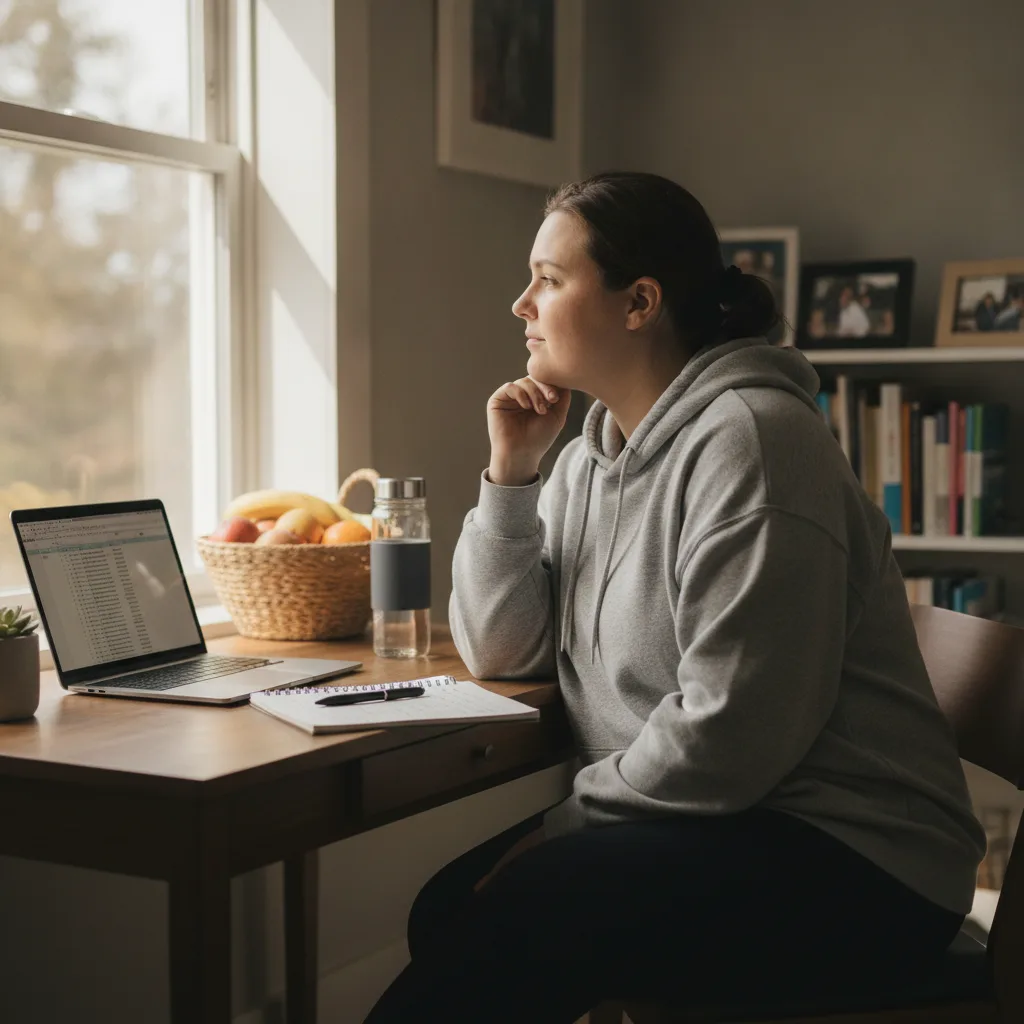
How to Stop Snacking Working from Home
Understanding the “Why” Behind Your Snacking
Before we can effectively stop snacking, it’s crucial to understand why we’re doing it. For many women working from home, the triggers aren’t always genuine hunger. Are you reaching for snacks out of:
- Boredom: The day stretches out, and a snack provides a momentary distraction or something to do.
- Stress or Emotional Eating: Deadlines loom, a difficult client call looms, or you’re feeling overwhelmed. Food becomes a comfort or a way to cope.
- Habit: You’ve always had a snack around 3 PM, or you always grab something while watching your favorite show. The habit is ingrained.
- Thirst: Sometimes, what we perceive as hunger is actually thirst. Our bodies can send mixed signals.
- Accessibility: The kitchen is right there. It’s almost too easy to open the fridge or pantry.
- Social Cues (even if alone): You see a coworker take a break for a snack on a video call, or you used to have office snacks, and the habit persists.
Identifying your personal triggers is the first powerful step. Grab a notebook or use a notes app on your phone and for a few days, jot down when you snack and what you were doing or feeling right before. You might be surprised by what you discover. This self-awareness is key to developing targeted strategies.
Establishing Dedicated “Work Zones” and Breaks
One of the biggest challenges of working from home is the blurring of lines between professional and personal life, and this extends to our eating habits. When your kitchen is also your office, it’s easy to graze all day. A crucial strategy for how to stop snacking working from home is to create physical and temporal boundaries.
Define your workspace: If possible, have a designated area for work that is separate from where you eat. This could be a home office, a specific corner of a room, or even just a particular table. When you are in your workspace, you are in “work mode,” and ideally, that means minimal snacking.
Schedule proper breaks: Just as you would in a traditional office environment, schedule real breaks away from your desk. This means standing up, walking away from your computer, and giving your mind and body a rest. These breaks are opportunities for proper meals and planned snacks, not for aimless kitchen visits. Aim for at least two substantial breaks (lunch and a mid-morning or mid-afternoon break) and a few shorter ones. During these breaks, step away from your workstation. This physical separation helps to mentally detach from work and focus on refueling your body.
A study published in the Journal of Occupational and Organizational Psychology highlighted the importance of breaks for well-being and productivity. Taking intentional breaks can help reduce fatigue and improve cognitive function, making you less susceptible to seeking quick, often unhealthy, distractions like snacking.
Hydration: Your First Line of Defense
This is such a simple, yet incredibly effective, strategy. Many times, when we think we’re hungry, we’re actually just thirsty. Our bodies’ signals can get a bit muddled, and dehydration can masquerade as hunger pangs.
Keep a water bottle – a nice, large one you like using – right at your desk. Set a goal to refill it a certain number of times throughout the day. You can also infuse your water with fruits like lemon, cucumber, mint, or berries to make it more appealing. If plain water isn’t cutting it, try herbal teas. They’re calorie-free, comforting, and can help you stay hydrated.
Make it a habit: Before you even think about reaching for a snack, take a big gulp of water. If the craving subsides after a few minutes, you’ve likely averted an unnecessary snack. This simple act can significantly reduce your urge to graze, contributing greatly to your efforts on how to stop snacking working from home.
Mindful Eating During Meal Times
When you are working from home, it’s easy for meals to become rushed affairs, inhaled over your keyboard or while scrolling through your phone. This lack of mindfulness can lead to overeating and a feeling of dissatisfaction, which can then trigger snacking later.
Prioritize your meals: Treat your breakfast, lunch, and dinner with the same respect you would in a pre-pandemic office setting. Step away from your desk. Sit at your dining table or another designated eating space. Plate your food nicely.
Eat slowly and savor: Focus on the taste, texture, and smell of your food. Engage all your senses. This slow, deliberate approach allows your brain to register that you are eating and to send satiety signals to your body. It takes about 20 minutes for your stomach to signal to your brain that it’s full, so eating mindfully can prevent overconsumption during meals.
Research consistently shows that mindful eating practices can improve satisfaction with food and reduce overall calorie intake. By making your meals a deliberate, enjoyable experience, you’re less likely to feel the need to “top up” with snacks shortly after.
Planning and Preparing Healthy Snacks (If Needed!)
The goal is to stop mindless snacking, not necessarily all snacking. If you find that you genuinely need a small bite between meals to maintain energy levels and focus, then planning is key. The difference between a planned, healthy snack and a spontaneous, often less nutritious, grab is significant.
Stock your kitchen wisely: Keep healthy, satisfying snacks readily available. Think fruits, vegetables (like carrot sticks, bell pepper slices, or cherry tomatoes), Greek yogurt, a small handful of nuts or seeds, hard-boiled eggs, or cottage cheese. Avoid keeping highly palatable, processed snacks like chips, cookies, and candies in your immediate work area or even in your home if they are a constant temptation.
Portion control is crucial: Even healthy snacks can contribute to excess calorie intake if consumed in large quantities. Pre-portion your snacks into small containers or baggies. This prevents you from mindlessly eating directly from a larger package. For example, instead of a whole bag of nuts, portion out a quarter cup.
Schedule your planned snacks: If you know you tend to get hungry around 10 AM and 3 PM, plan for a small, nutritious snack during those times. Write it into your schedule or set a gentle reminder. This proactive approach helps you avoid impulsive choices when hunger strikes.
Navigating Emotional Triggers and Stress
This is perhaps one of the most challenging aspects of how to stop snacking working from home. When work feels overwhelming, stressful, or just plain unpleasant, food can become a coping mechanism. It offers temporary comfort and distraction. However, this is a short-term fix that doesn’t address the underlying issue and can lead to guilt and frustration.
Develop alternative coping strategies: What else can you do when you feel stressed?
* Movement: A quick walk around the block, some stretching, or a few jumping jacks can release endorphins and reduce tension.
* Mindfulness/Meditation: Even 5-10 minutes of deep breathing or a guided meditation can help calm your nervous system. There are many free apps and online resources available.
* Creative outlets: Journaling, drawing, listening to music, or calling a supportive friend or family member can provide emotional release.
* Task management: If you’re feeling overwhelmed by work, break down tasks into smaller, more manageable steps. Focus on one thing at a time.
It’s important to be kind to yourself. Recognize when you’re turning to food for comfort and gently redirect yourself to a healthier coping strategy. Over time, these alternative strategies will become your go-to responses, diminishing the power of food as a stress reliever.
Creating an Unappealing Snack Environment
Sometimes, the simplest solutions are the most effective. If your kitchen is a constant temptation, it’s time to make it less inviting for impulsive snacking.
“Out of sight, out of mind” truly applies here. Store tempting snacks in opaque containers, on high shelves, or in cupboards that are further away from your primary workspace. If certain items are a major problem, consider not buying them at all. The extra effort it takes to retrieve them can be enough to break the cycle of immediate gratification.
Organize your pantry and fridge: Designate a specific shelf or area for healthy snacks that you do want to eat. Make them easily visible and accessible. Conversely, hide the less healthy options. This visual cue can be powerful.
Consider what’s visible throughout the day. If your desk is visible from the kitchen, and you can see tempting snacks from your computer, consider rearranging your workspace or keeping your office door closed if you have one. The goal is to create friction between the impulse to snack and the actual act of getting and eating the snack.
Building Sustainable Habits Beyond the Workday
While this article focuses on how to stop snacking working from home, the principles we’ve discussed can positively impact your overall eating habits. The key is sustainability. This isn’t about a temporary fix; it’s about building healthier patterns that can last.
- Consistency over Perfection: Don’t aim for perfect days. Aim for consistent effort. If you slip up and have an unplanned snack, acknowledge it, learn from it, and get back on track with your next meal or snack.
- Listen to Your Body: Continue to tune into your hunger and fullness cues. As you become more mindful, you’ll get better at distinguishing between true hunger and other urges.
- Focus on Nourishment: Shift your mindset from restriction to nourishment. When you’re providing your body with balanced, nutrient-dense meals, you’ll feel more satisfied and less prone to cravings.
- Celebrate Small Wins: Acknowledge your progress. Did you go an entire afternoon without mindlessly reaching for something? That’s a win! Positive reinforcement helps solidify new habits.
By implementing these strategies, you’re not just stopping snacks; you’re building a more mindful, balanced relationship with food and yourself. This approach fosters sustainable weight management and overall well-being, proving that working from home can be conducive to healthy living with the right framework.
Key Takeaways
- Identify Triggers: Understand why you snack (boredom, stress, habit, thirst, accessibility).
- Create Boundaries: Designate a workspace and schedule regular, intentional breaks.
- Hydrate Consistently: Keep water or herbal tea readily available; often thirst mimics hunger.
- Practice Mindful Eating: Savor meals away from your desk to increase satisfaction.
- Plan Healthy Snacks: If needed, prep and portion nutritious snacks in advance.
- Manage Emotions: Develop non-food coping strategies for stress and difficult emotions.
- Optimize Your Environment: Make tempting snacks less accessible and healthy ones more visible.
- Focus on Sustainability: Aim for consistency, listen to your body, and celebrate progress.
Frequently Asked Questions
H3: What if I’m genuinely hungry between meals?
It’s entirely normal to feel hungry between meals, especially if your meals are spaced several hours apart. The key is to have planned, healthy snacks available. Think of options like a small apple with a tablespoon of almond butter, a hard-boiled egg, a handful of unsalted nuts, or a small container of Greek yogurt. These provide sustained energy and nutrients without derailing your overall eating goals.
H3: I’m bored at home and snack. How can I combat this?
Boredom is a common snacking trigger for those working from home. When you feel the urge to snack out of boredom, try redirecting your attention. Engage in a quick, non-food-related activity that you enjoy. This could be listening to a song, doing a short stretching routine, reading a few pages of a book, or even tidying a small area of your workspace. The goal is to interrupt the pattern of reaching for food and engage your mind in something else.
H3: What are some quick and easy healthy snacks I can keep at home?
Easy, healthy snack options include:
* Pre-washed fruits like apples, bananas, and oranges.
* Vegetable sticks like carrots, celery, and bell peppers that can be prepped ahead of time.
* Hard-boiled eggs (cook a batch at the beginning of the week).
* Individual yogurts or cottage cheese cups.
* A small baggie of unsalted nuts or seeds.
H3: How do I stop emotional eating when working from home?
Addressing emotional eating requires building a toolkit of non-food coping mechanisms. When you notice yourself reaching for food due to emotions like stress, anxiety, or sadness, pause and identify the feeling. Then, try a different strategy such as deep breathing exercises, going for a short walk, journaling your thoughts, listening to calming music, or calling a supportive friend. It takes practice to build these new habits, so be patient with yourself.
H3: Is it okay to have a “treat” sometimes?
Absolutely! The goal is not deprivation, but sustainable, healthy habits. Allowing yourself occasional treats in a mindful way can actually prevent feelings of restriction and bingeing. The key is to plan for these treats, enjoy them consciously, and then return to your regular healthy eating pattern. If a treat is a spontaneous impulse, try to pause and assess if it’s a true craving or an emotional response, and then make a conscious choice.
More Guides in This Cluster
Use these related guides to cover the same weight-loss problem from a practical angle: