
Crafting a sustainable eating plan for weight management often involves thoughtful preparation. When individuals seek high protein high fiber meal prep for weight loss, they are looking for practical, effective strategies to navigate busy schedules while making nourishing choices. This approach focuses on building meals that provide lasting fullness, support overall health, and are manageable to prepare in advance.
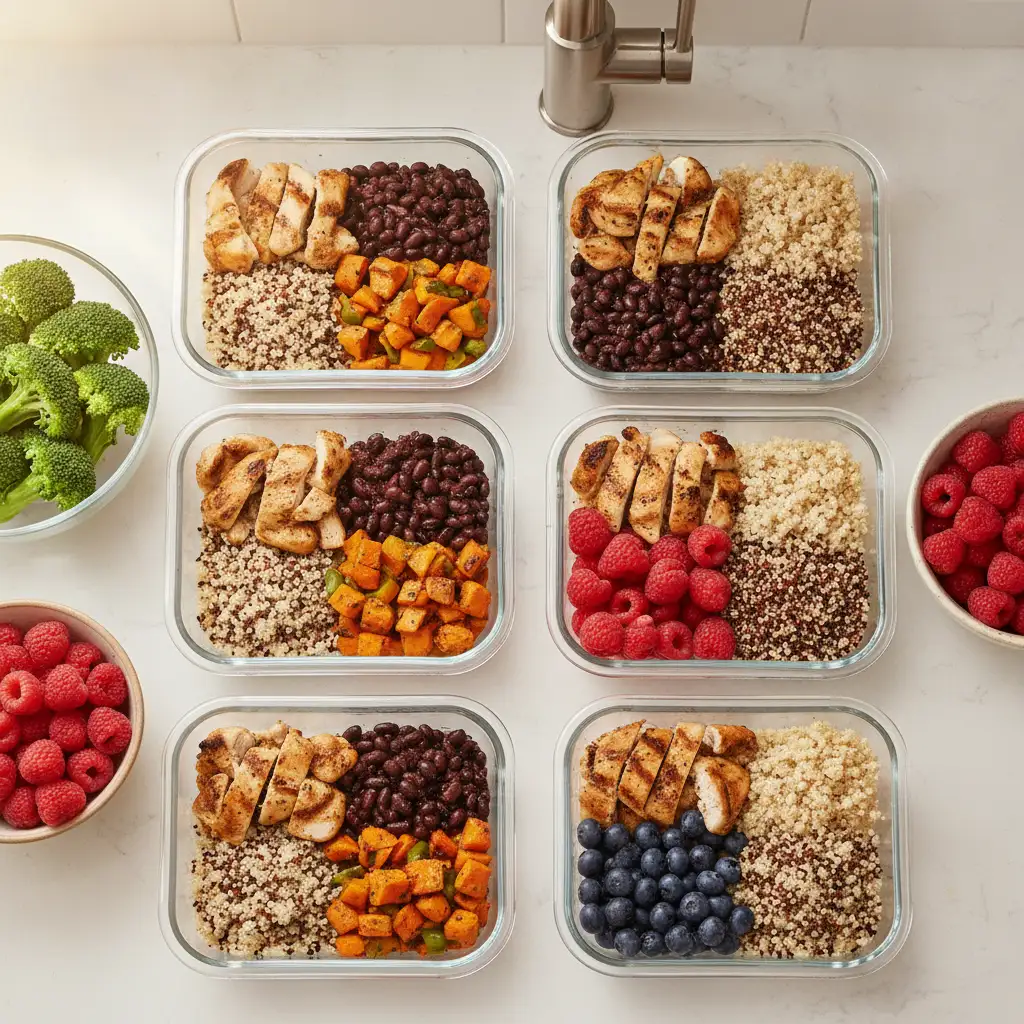
High Protein High Fiber Meal Prep for Weight Loss
The Powerful Synergy of Protein and Fiber in Meal Prep
The synergy between protein and fiber is a cornerstone of effective dietary strategies for weight management. Protein, essential for building and repairing tissues, also plays a significant role in satiety – the feeling of fullness after eating. Fiber, primarily found in plant-based foods, adds bulk to meals, slows digestion, and can help regulate blood sugar levels, further contributing to a sense of satisfaction. By intentionally combining these two powerhouses in your meal preparations, you can create dishes that are not only nutrient-dense but also instrumental in managing appetite and supporting your weight management journey. This article explores how to effectively integrate high protein high fiber meal prep for weight loss into your routine, offering actionable advice on plate building, simple preparation templates, and the science behind why this combination is so effective.
This article is part of the same work-life weight loss cluster as high fiber meal prep for weight loss, because long schedules often create the same practical barriers: irregular meals, decision fatigue, skipped movement, and stress-driven snacking.
Understanding the Satiety Science: Protein and Fiber’s Combined Impact
Understanding the individual benefits of protein and fiber is the first step, but their combined effect in high protein high fiber meal prep for weight loss is where the real effectiveness lies. The Dietary Guidelines for Americans highlights the importance of nutrient-dense foods, and this protein-fiber pairing is a prime example. According to these guidelines, a balanced intake of macronutrients is crucial for overall health and weight management.
Protein is a fundamental macronutrient that not only supports muscle health but also profoundly impacts appetite regulation. When you consume protein, it triggers the release of hormones that signal fullness to your brain. This can lead to reduced overall calorie intake because you feel satisfied for longer periods. Studies suggest that higher protein intake can lead to increased satiety, which is a critical factor in managing calorie consumption and supporting weight management efforts. As noted by the Harvard T.H. Chan Nutrition Source on fiber, fiber also plays a crucial role in digestive health and satiety.
Fiber, on the other hand, works in conjunction with protein to enhance this feeling of fullness. It adds volume to your meals without adding significant calories, helping you feel more satisfied with less food. Fiber also slows down the rate at which food leaves your stomach, prolonging the feeling of satiety. Furthermore, certain types of fiber can influence the absorption of nutrients and help stabilize blood sugar levels, preventing the sharp spikes and subsequent crashes that can trigger cravings and overeating. The Academy of Nutrition and Dietetics emphasizes fiber’s role in a healthy diet and its contributions to digestive well-being.
When protein and fiber are combined in a meal, their satiating effects are amplified. Imagine a meal that includes grilled chicken breast (protein) with a generous serving of steamed broccoli and quinoa (fiber). The protein in the chicken helps signal satiety, while the fiber in the broccoli and quinoa adds bulk, slows digestion, and provides a sustained release of energy. This powerful combination can make it easier to adhere to a calorie-controlled eating plan because you’re less likely to experience intense hunger pangs or feel deprived. This is the core principle behind effective high protein high fiber meal prep for weight loss.
Strategic Plate Building for Enhanced Weight Management
A fundamental aspect of successful meal preparation for weight management involves mastering the art of plate building. This means consciously assembling meals that contain balanced proportions of macronutrients, with a particular emphasis on protein and fiber. When planning your high protein high fiber meal prep for weight loss, think of your plate as a canvas, and fill it strategically.
The USDA’s MyPlate initiative provides a useful visual guide for balanced eating. It suggests filling half your plate with fruits and vegetables, one quarter with lean protein, and one quarter with grains. For a high protein, high fiber approach, this translates to:
- Half your plate: Dominated by non-starchy vegetables and some fruits. Think of a vibrant salad with mixed greens, bell peppers, cucumbers, and berries, or a colorful assortment of roasted vegetables like broccoli, Brussels sprouts, and sweet potatoes. These are rich in fiber and essential nutrients. The USDA MyPlate vegetables section offers a wealth of inspiration and guidance on incorporating a variety of produce.
- One quarter of your plate: Dedicated to lean protein sources. This could include chicken breast, turkey, fish, lean beef, tofu, tempeh, or legumes like lentils and beans. USDA MyPlate protein foods provides extensive lists of excellent protein options.
- One quarter of your plate: Filled with whole grains or starchy vegetables that also contribute fiber. Options include quinoa, brown rice, oats, barley, whole wheat pasta, or sweet potatoes. USDA MyPlate grains details suitable whole grain choices to consider.
When you combine these components in your meal prep, you are inherently creating meals that are high in both protein and fiber. For instance, a pre-portioned container could hold baked salmon, roasted asparagus, and a serving of farro. Another might feature lentil soup with a side of whole-grain bread. The key is to ensure each meal offers a substantial amount of both protein and fiber, making it more satisfying and supportive of your weight management goals.
Simple Meal Prep Templates for Busy Schedules
The beauty of meal prepping for high protein high fiber meal prep for weight loss lies in its adaptability to busy schedules. Instead of complex recipes, focus on simple templates that allow for flexibility and quick assembly. These templates are designed to streamline the process, making it easier to maintain consistency.
Template 1: The “Bowl” Method
This is perhaps the most versatile meal prep template. It involves preparing individual components and assembling them into a “bowl” for lunch or dinner.
- Protein Base: Cook a large batch of a lean protein. Examples include baked chicken breasts, grilled turkey tenderloins, hard-boiled eggs, cooked ground turkey or chicken, baked tofu, or a large pot of cooked lentils or black beans.
- Grain/Starch Base: Prepare a substantial portion of a whole grain or starchy vegetable. This could be cooked quinoa, brown rice, farro, barley, or roasted sweet potatoes.
- Vegetable Component: Roast, steam, or sauté a variety of non-starchy vegetables. Broccoli florets, bell pepper strips, zucchini slices, spinach, kale, and green beans are excellent choices.
- Healthy Fat/Flavor Boost: Add a small serving of healthy fats like avocado, nuts, seeds, or a drizzle of olive oil-based dressing.
To assemble, simply combine a portion of each component into a meal prep container. This template allows for endless variations, ensuring you don’t get bored.
Template 2: The “Sheet Pan” Method
This method is ideal for minimizing cleanup while maximizing flavor.
- Protein: Choose proteins that cook at similar rates, such as chicken thighs, salmon fillets, or firm tofu.
- Vegetables: Select vegetables that also cook within a similar timeframe, like broccoli, Brussels sprouts, bell peppers, onions, and asparagus. Cut them into uniform sizes for even cooking.
- Seasoning: Toss everything with olive oil, herbs, spices, salt, and pepper.
Spread the protein and vegetables in a single layer on a baking sheet lined with parchment paper. Bake until the protein is cooked through and the vegetables are tender and slightly caramelized. Portion into containers once cooled. This yields a complete meal with protein and fiber in one go.
Template 3: The “Slow Cooker/Instant Pot” Method
For hands-off cooking, a slow cooker or Instant Pot is invaluable.
- Soups and Stews: Prepare hearty lentil or bean soups, chili with lean ground meat and lots of vegetables, or chicken and vegetable stews. These dishes naturally combine protein and fiber.
- Shredded Meats: Cook large cuts of chicken breast or lean pork shoulder, which can then be used as a protein base for bowls, salads, or wraps throughout the week.
These templates provide a solid foundation for creating high protein high fiber meal prep for weight loss, ensuring that nutritious meals are readily available when you need them most.
Prioritizing Nutrient-Dense Ingredients
The effectiveness of your high protein high fiber meal prep for weight loss hinges on the quality and type of ingredients you choose. Prioritizing nutrient-dense options ensures you’re getting the most nutritional benefit, supporting satiety and overall well-being.
Lean Protein Sources:
- Poultry: Chicken breast, turkey breast, lean ground turkey. These are versatile and can be prepared in numerous ways.
- Fish: Salmon, tuna, cod, tilapia. Fatty fish like salmon also provide beneficial omega-3 fatty acids.
- Lean Red Meat: Lean cuts of beef (e.g., sirloin, round steak) and pork tenderloin.
- Legumes: Lentils, black beans, chickpeas, kidney beans. These are fantastic sources of both protein and fiber, making them double-duty ingredients. The USDA FoodData Central is an excellent resource for checking the nutritional content of various foods.
- Dairy: Greek yogurt, cottage cheese, and protein powders (whey, casein, plant-based) can be incorporated into breakfasts, snacks, or smoothies.
- Plant-Based Proteins: Tofu, tempeh, edamame, and seitan.
High-Fiber Carbohydrate Sources:
- Whole Grains: Quinoa, brown rice, oats, barley, farro, whole wheat pasta, whole grain bread. These provide complex carbohydrates and significant fiber.
- Vegetables: Aim for a wide variety of non-starchy vegetables. Leafy greens (spinach, kale, romaine), cruciferous vegetables (broccoli, cauliflower, Brussels sprouts), peppers, onions, tomatoes, zucchini, and carrots are all excellent choices.
- Fruits: Berries, apples, pears, bananas, oranges. While higher in natural sugars than vegetables, fruits are packed with fiber and antioxidants.
When selecting ingredients, also consider their preparation method. Grilling, baking, steaming, and stir-frying are generally healthier than deep-frying. Opting for whole, unprocessed ingredients whenever possible will further enhance the nutritional profile of your prepared meals. For example, instead of pre-made sauces that can be high in sodium and sugar, create your own simple vinaigrettes or herb-based seasonings.
Ensuring Food Safety with Prepared Meals
Proper food safety and storage are paramount when preparing meals in advance, especially when dealing with high protein high fiber meal prep for weight loss. Consuming contaminated food can lead to illness and derail your progress. Adhering to basic food safety principles ensures that your prepped meals are not only healthy but also safe to eat.
Key Food Safety Principles:
- Cleanliness: Wash your hands thoroughly with soap and water before, during, and after preparing food. Ensure all utensils, cutting boards, and countertops are clean.
- Temperature Danger Zone: Bacteria multiply rapidly between 40°F (4°C) and 140°F (60°C). Keep hot foods hot and cold foods cold.
- Cook Thoroughly: Cook foods to their proper internal temperatures. For example, poultry should reach 165°F (74°C). Use a food thermometer to check.
- Chill Promptly: Refrigerate perishable foods within two hours of cooking or purchasing. If the ambient temperature is above 90°F (32°C), refrigerate within one hour.
Storage Guidelines for Meal Prep:
- Cooling: Allow cooked foods to cool down to room temperature (but not for longer than two hours) before refrigerating. You can speed up cooling by dividing large portions into smaller, shallower containers.
- Containers: Use airtight, food-grade containers. Glass or BPA-free plastic containers are good options.
- Refrigeration: Store prepped meals in the refrigerator at or below 40°F (4°C). Most prepped meals are best consumed within 3-4 days. The CDC food safety leftovers guidance offers detailed advice on handling and storing leftovers safely.
- Freezing: For longer storage (up to 2-3 months), freeze meals. Ensure they are cooled completely before freezing. Label containers with the date. Thaw frozen meals safely in the refrigerator overnight, in cold water, or in the microwave.
- Reheating: Reheat leftovers thoroughly to an internal temperature of 165°F (74°C). Stir food halfway through reheating to ensure even heating. Avoid reheating foods more than once. The FDA food safety basics also provides comprehensive guidance on safe food preparation and handling.
By diligently following these food safety and storage practices, you can enjoy your high protein high fiber meal prep for weight loss with confidence, knowing that your meals are both nutritious and safe.
Frequently Asked Questions (FAQ)
Q1: How can I make my meal-prepped vegetables more exciting and less soggy?
Preventing sogginess often comes down to preparation and storage techniques. For denser vegetables like broccoli, carrots, and Brussels sprouts, consider roasting them until they are tender-crisp rather than steaming them until mushy. For leafy greens, wash and dry them very thoroughly and store dressing separately to avoid wilting. For other vegetables like bell peppers or onions, sautéing can help them retain a pleasant texture. If you are making a salad, keep the wet ingredients (like tomatoes or cucumbers) separate from the greens until just before serving. Understanding the nuances of different vegetables is key, and exploring resources on high fiber meal prep for weight loss can offer further specific tips.
Q2: Is it really possible to get enough protein and fiber from prepped meals alone?
Absolutely. The key is intentional ingredient selection and portion control. By focusing on lean protein sources like chicken, fish, tofu, and legumes, and pairing them with high-fiber ingredients such as whole grains, vegetables, and fruits, you can easily meet your daily protein and fiber targets. Many individuals find that high protein high fiber meal prep for weight loss actually makes it easier to consume adequate amounts of these nutrients because meals are planned and readily available, reducing the temptation for less nutritious, processed options.
Q3: What are some good high-protein, high-fiber snack ideas for meal prep?
Snacks are an important part of managing hunger between meals. Excellent prep-friendly snack options include:
- Hard-boiled eggs
- Greek yogurt or cottage cheese with a sprinkle of nuts or seeds
- Edamame (steamed and lightly salted)
- Apple slices with almond butter
- A small handful of trail mix (nuts, seeds, dried fruit in moderation)
- Vegetable sticks (carrots, celery, bell peppers) with hummus
These snacks provide a good balance of protein and fiber to keep you satisfied.
Q4: Can I meal prep for more than 5 days at a time?
Yes, you can often extend your meal prep duration beyond 5 days, particularly by utilizing your freezer. Cooked grains, beans, legumes, and many types of cooked meats and stews freeze and reheat well. Ensure all foods are cooled completely before freezing and store them in airtight containers to prevent freezer burn. When you need a meal, you can simply take it from the freezer and thaw it in the refrigerator overnight or use a microwave-safe thawing setting. Always practice safe thawing methods to prevent bacterial growth.
Q5: How does combining protein and fiber help with weight management?
The combination of protein and fiber works synergistically to support weight management in several ways. Protein is known for its high thermic effect and its ability to promote satiety, making you feel full for longer and potentially reducing overall calorie intake. Fiber adds bulk to meals, further contributing to fullness without adding significant calories, and it can help slow down digestion, leading to more stable blood sugar levels. This sustained feeling of fullness and reduced appetite can make it easier to adhere to a calorie-controlled diet, a key component of weight management. Research in this area consistently points to the benefits of this dietary strategy. The NIDDK weight management overview discusses various approaches to weight management.
Key Takeaways
- Synergistic Satiety: Protein and fiber work together to promote feelings of fullness, which can help manage appetite and reduce overall calorie intake.
- Balanced Plate Strategy: Aim to fill half your plate with vegetables, a quarter with lean protein, and a quarter with whole grains or starchy vegetables for nutrient-dense, satisfying meals.
- Versatile Templates: Simple meal prep templates like “bowls,” “sheet pan” meals, and slow cooker recipes can streamline the process of preparing high protein high fiber meal prep for weight loss.
- Smart Ingredient Choices: Prioritize lean protein sources (poultry, fish, legumes, tofu) and high-fiber foods (whole grains, diverse vegetables, fruits) for maximum nutritional benefit.
- Food Safety is Crucial: Always practice proper hygiene, cook foods thoroughly, and store prepped meals correctly (refrigerated or frozen) to prevent foodborne illness.
- Consistency is Key: Regularly incorporating high protein high fiber meal prep for weight loss into your routine can make adhering to a healthy eating plan more manageable and sustainable.
By embracing the principles of high protein high fiber meal prep for weight loss, you can create a practical, nourishing, and sustainable approach to eating that supports your wellness goals. This strategy empowers you to take control of your nutrition, even on your busiest days, by ensuring that delicious, satisfying, and health-promoting meals are always within reach.