
The intention to eat well and manage weight often falters under the pressure of daily decision-making and time constraints. This is where the strategic power of high protein high fiber meal prep recipes for weight loss emerges as a valuable approach. By dedicating a block of time to preparation, you can set yourself up for a week of nourishing meals that promote satiety and support your wellness goals without the daily cooking stress.
The synergy between protein and fiber is a cornerstone of effective appetite management and sustained energy. Protein, vital for muscle maintenance and repair, also plays a significant role in promoting feelings of fullness, helping to curb cravings and reduce overall calorie intake. Fiber, indigestible by the body, adds bulk to meals, further contributing to satiety and aiding in digestive regularity. Together, these macronutrients create a powerful combination that can make sticking to a calorie deficit feel more manageable and less restrictive. This article explores how to leverage high protein high fiber meal prep recipes for weight loss through practical templates, mix-and-match formulas, and smart preparation strategies.
This article is part of the same work-life weight loss cluster as high fiber meal prep for weight loss, because long schedules often create the same practical barriers: irregular meals, decision fatigue, skipped movement, and stress-driven snacking.
High Protein High Fiber Meal Prep Recipes for Weight Loss
The Nutritional Foundation: Protein and Fiber for Weight Management
Understanding the scientific basis behind protein and fiber’s role in weight management provides a solid foundation for building effective meal plans. Both nutrients contribute significantly to satiety, helping individuals feel fuller for longer, which can naturally lead to reduced calorie consumption.
Protein is essential for numerous bodily functions, including building and repairing tissues. Its digestion is a complex process that requires more energy from the body compared to carbohydrates or fats, a phenomenon known as the thermic effect of food. This means that consuming adequate protein can slightly increase your metabolic rate. Furthermore, protein’s ability to slow gastric emptying contributes to prolonged feelings of fullness, making it easier to manage hunger between meals. Excellent sources of lean protein include poultry, fish, lean red meat, eggs, dairy products like Greek yogurt, and plant-based options such as tofu, tempeh, beans, and lentils, as detailed by the USDA MyPlate protein foods.
Fiber, a type of carbohydrate that the body cannot digest, is crucial for digestive health and appetite regulation. It adds bulk to stool, promoting regular bowel movements and preventing constipation. Soluble fiber, found in foods like oats, beans, apples, and citrus fruits, dissolves in water to form a gel-like substance. This gel slows digestion and can help stabilize blood sugar levels, preventing the sharp spikes and subsequent crashes that often trigger cravings. Insoluble fiber, abundant in whole grains, vegetables, and nuts, adds bulk and speeds up the passage of food through the digestive tract. According to the Harvard T.H. Chan Nutrition Source on fiber, a diet rich in fiber is associated with improved digestive health and can support weight management efforts. The Academy of Nutrition and Dietetics also emphasizes the importance of dietary fiber for overall health and satiety.
The combined effect of adequate protein and fiber intake is a powerful tool for weight management. Meals that are rich in both nutrients can help you feel satisfied for longer periods, reducing the likelihood of overeating or reaching for less healthy snacks. This sustained satiety is a key factor in maintaining a calorie deficit, a fundamental principle for weight loss, as outlined in the Dietary Guidelines for Americans.
Strategic Meal Prep: Building Your Framework for Success
Effective meal prepping for high protein high fiber meal prep recipes for weight loss goes beyond simply cooking large quantities of food. It involves strategic planning, smart ingredient selection, and efficient preparation methods.
1. The Foundation: Planning Your Week
Before diving into recipes, consider your weekly schedule. Do you have access to a microwave at work? Are you preparing meals for one or for a family? Understanding your lifestyle will help you choose recipes that are practical and enjoyable. Create a weekly menu, incorporating a variety of protein and fiber sources to prevent boredom and ensure a broad spectrum of nutrients. Consider a mix of grab-and-go options for busy days and meals that require minimal assembly or reheating.
2. The Core Components: Batch Cooking Staples
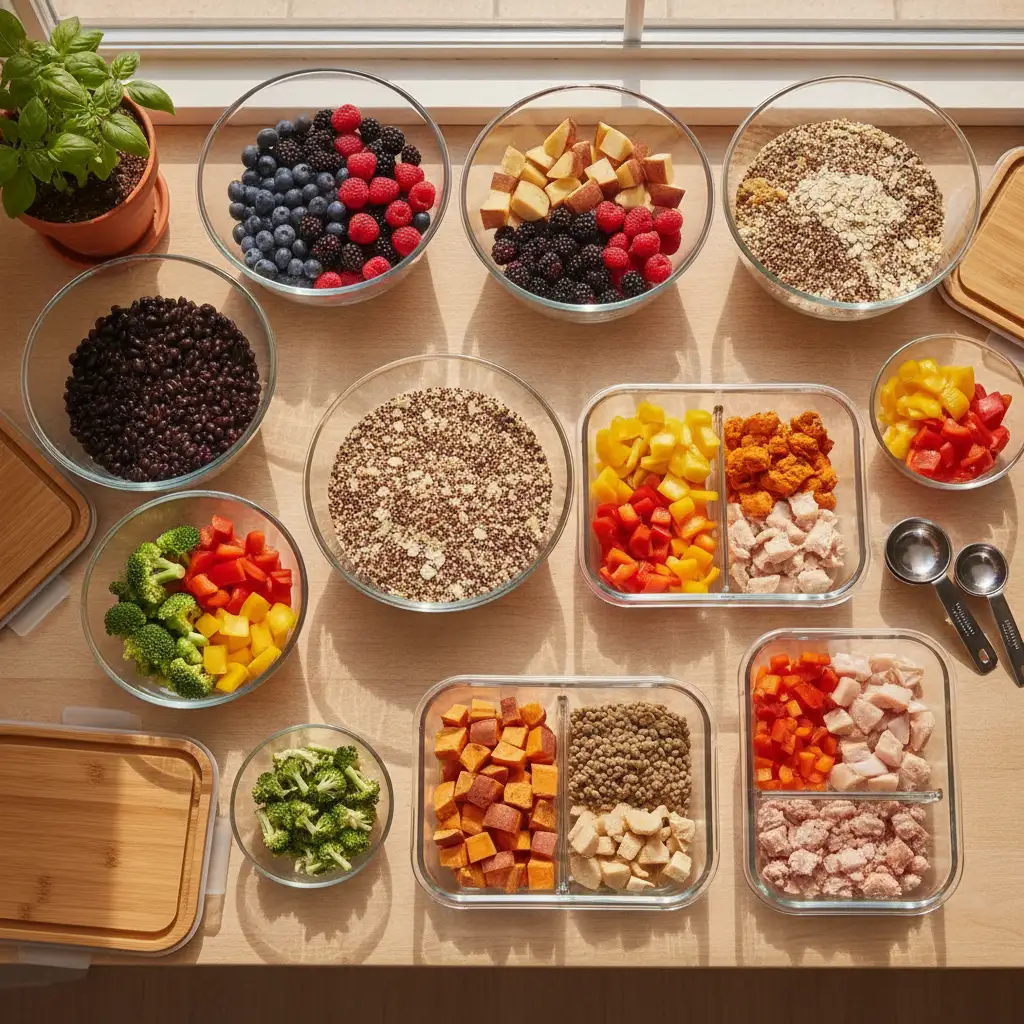
The “cook once, eat multiple times” philosophy is central to efficient meal prep. Focus on preparing versatile, foundational ingredients in larger batches. This could include:
* Lean Proteins: Roasted chicken breasts, baked salmon fillets, grilled turkey tenderloins, or a large batch of cooked lentils or beans.
* Whole Grains: Quinoa, brown rice, farro, or steel-cut oats.
* Roasted or Steamed Vegetables: Broccoli, Brussels sprouts, bell peppers, sweet potatoes, or asparagus. Roasting vegetables can enhance their flavor and texture, making them more appealing throughout the week.
3. Assembly & Customization: The Mix-and-Match Approach
Once your core components are ready, the real magic of meal prep happens during assembly. This is where you can transform simple ingredients into diverse and exciting meals.
* Bowl Meals: Combine a base of whole grains, a protein source, a generous portion of vegetables, and a flavorful sauce or dressing. This is a highly adaptable format for lunches and dinners.
* Salads: Prepare a base of greens and add your pre-cooked protein, grains, and an assortment of chopped raw or roasted vegetables. Store dressing separately to prevent wilting.
* Stir-fries: Quickly combine pre-cooked protein and vegetables with a sauce and serve over your pre-cooked whole grains.
* Soups and Stews: These are excellent for batch cooking and reheating, offering a comforting and nutrient-dense meal.
4. Smart Storage Solutions
Invest in high-quality, airtight food storage containers. Glass containers are durable, microwave-safe, and do not retain odors or stains. Consider containers with compartments for portion control and to keep different food items separate. Ensure all food is cooled properly before sealing and refrigerating or freezing to maintain food safety and quality. Adhering to food safety guidelines, such as those provided by the FDA food safety basics, is paramount. For leftovers, consult the CDC food safety leftovers guidance for best practices.
High Protein High Fiber Meal Prep Recipe Templates
These templates provide a flexible framework for creating high protein high fiber meal prep recipes for weight loss. Customize them with your preferred flavors and ingredients.
Template 1: The Power Grain Bowl
This template focuses on a balanced combination of complex carbohydrates, lean protein, and abundant fiber from vegetables.
- Base (Fiber & Complex Carbs): Choose one whole grain.
- Quinoa
- Brown Rice
- Farro
- Barley
- Source: USDA MyPlate grains
- Protein Powerhouse: Select a lean protein.
- Grilled Chicken Breast (sliced)
- Baked Salmon Fillet
- Cooked Lentils
- Cubed Tofu or Tempeh
- Hard-Boiled Eggs
- Source: USDA MyPlate protein foods
- Fiber-Rich Veggies: Load up on a variety of non-starchy vegetables.
- Roasted Broccoli Florets
- Sautéed Spinach or Kale
- Steamed Green Beans
- Bell Pepper Strips (raw or roasted)
- Cherry Tomatoes
- Shredded Carrots
- Source: USDA MyPlate vegetables
- Flavor Boost (Healthy Fats & More Fiber): Add healthy fats and additional flavor.
- Avocado slices
- A sprinkle of nuts or seeds (almonds, walnuts, chia seeds, pumpkin seeds)
- A light vinaigrette (olive oil, lemon juice, herbs)
- A dollop of Greek yogurt or hummus
Example Assembly: Quinoa base, sliced grilled chicken, roasted broccoli and bell peppers, topped with avocado and a lemon-herb vinaigrette.
Template 2: Hearty & Wholesome Stew or Chili
These one-pot wonders are perfect for batch cooking and reheating, delivering substantial protein and fiber in a comforting meal.
- Liquid Base:
- Low-sodium vegetable broth
- Low-sodium chicken broth
- Diced tomatoes (canned)
- Fiber & Protein Boosters (Legumes):
- Canned Black Beans (rinsed and drained)
- Canned Kidney Beans (rinsed and drained)
- Cooked Lentils (brown or green)
- Chickpeas
- Flavor Base & Fiber:
- Diced Onions
- Minced Garlic
- Diced Carrots
- Diced Celery
- Main Protein (Optional but recommended):
- Lean Ground Turkey or Chicken
- Cubed lean beef
- Extra firm tofu or tempeh cubes
- Spices & Herbs:
- Chili powder, cumin, smoked paprika, oregano, thyme, bay leaf, cayenne pepper (adjust to taste)
- Salt and black pepper
Example Assembly: A hearty black bean and sweet potato chili with lean ground turkey, seasoned with chili powder, cumin, and a pinch of cayenne. Serve topped with a small spoonful of plain Greek yogurt for extra protein.
Template 3: The Lean Protein & Roasted Vegetable Plate
This simple yet satisfying template emphasizes lean protein and nutrient-dense vegetables.
- Lean Protein:
- Baked Salmon or Cod
- Grilled Chicken or Turkey Breast
- Lean Pork Tenderloin
- Pan-Seared Tofu Steaks
- Source: USDA MyPlate protein foods
- Fiber-Rich Roasted Vegetables:
- Asparagus
- Brussels Sprouts
- Cauliflower Florets
- Sweet Potato Cubes
- Zucchini and Yellow Squash
- Source: USDA MyPlate vegetables
- Optional Side:
- A small portion of cooked whole grains (quinoa, brown rice)
- A side salad with leafy greens and a light vinaigrette
Example Assembly: Baked salmon fillet with roasted Brussels sprouts and sweet potato cubes, seasoned with rosemary and garlic.
Template 4: High-Protein Breakfast Bowls/Jars
Kickstart your day with sustained energy and fullness.
- Base:
- Plain Greek Yogurt (high protein)
- Overnight Oats (rolled oats soaked in milk or plant-based milk)
- Cottage Cheese
- Fiber & Nutrient Boosters:
- Fresh Berries (strawberries, blueberries, raspberries)
- Chia Seeds
- Flax Seeds
- Chopped Nuts (almonds, walnuts)
- A sprinkle of unsweetened shredded coconut
- Optional Protein Enhancement:
- A scoop of your favorite protein powder mixed into yogurt or oats.
Example Assembly: Overnight oats made with rolled oats, almond milk, and chia seeds, topped with mixed berries and a small handful of slivered almonds.
Elevating Your Meal Prep: Tips for Maximum Impact
Beyond the core recipes, several techniques can enhance the effectiveness of your high protein high fiber meal prep recipes for weight loss.
- Prioritize Non-Starchy Vegetables: Aim to fill at least half of your meal prep containers with colorful, non-starchy vegetables. These are typically low in calories and carbohydrates but high in fiber, vitamins, and minerals. Examples include leafy greens, broccoli, cauliflower, bell peppers, and zucchini.
- Strategic Seasoning: Don’t underestimate the power of herbs, spices, lemon juice, and vinegars to add flavor without adding significant calories or unhealthy fats. A well-seasoned meal is more likely to be enjoyed and adhered to.
- Healthy Fats in Moderation: Include sources of healthy fats like avocado, nuts, seeds, and olive oil. These contribute to satiety and provide essential nutrients, but should be consumed in appropriate portions.
- Portion Control: Use meal prep containers with pre-defined sections or measure out your portions to ensure you are staying within your calorie goals. This is crucial for weight loss.
- Hydration: Remember to pair your meals with plenty of water. Staying adequately hydrated is important for digestion, metabolism, and overall health.
Making Meal Prep a Sustainable Habit for Weight Loss
The ultimate goal is to create a sustainable eating pattern that supports long-term weight management. High protein high fiber meal prep recipes for weight loss are tools to achieve this, not rigid dictates.
Consistency is more impactful than perfection. If a busy week prevents you from a full meal prep session, don’t get discouraged. Focus on smaller, manageable steps, such as prepping breakfast components or making a larger batch of a favorite stew. Listen to your body’s hunger and fullness cues. Meal prepping allows you to have control over ingredients and portions, which can enhance your awareness of what foods truly satisfy you and provide sustained energy.
Remember that weight management is multifaceted. While high fiber meal prep for weight loss is a powerful strategy, it is most effective when integrated with other healthy lifestyle components. Adequate sleep, regular physical activity, and effective stress management techniques all play crucial roles in achieving and maintaining a healthy weight. By building a solid foundation of nutritious, prepped meals, you can free up valuable mental energy and time to focus on these other vital aspects of your well-being. The NIDDK weight management overview highlights the importance of a comprehensive approach.
Key Takeaways
- A combination of adequate protein and fiber intake is fundamental for promoting satiety and managing appetite, which are key components of weight loss.
- High protein high fiber meal prep recipes for weight loss offer a practical solution to ensure consistent access to nutritious meals, reducing the likelihood of unhealthy impulse food choices.
- Effective meal prepping relies on strategic planning, batch cooking of versatile core components, and smart storage to maintain freshness and food safety.
- Utilizing template-based recipes allows for customization and variety, preventing dietary boredom and promoting long-term adherence.
- Integrating meal prep into a balanced lifestyle that includes sufficient sleep, physical activity, and stress management is crucial for sustainable weight management.
Frequently Asked Questions
How much protein and fiber should I aim for daily when trying to lose weight
While individual needs vary based on factors like age, activity level, and metabolism, a general recommendation for weight loss is to aim for approximately 0.5 to 1 gram of protein per pound of target body weight. For fiber, most health organizations suggest aiming for 25-30 grams per day. Focusing on whole foods rich in both protein and fiber will help you naturally meet these targets.
Can I freeze my prepped meals
Yes, many high protein high fiber meal prep recipes for weight loss are suitable for freezing. Dishes like stews, chilis, casseroles, and cooked grains freeze well. Ensure meals are completely cooled before transferring them to freezer-safe containers or bags to prevent spoilage and maintain quality. Thaw meals overnight in the refrigerator and reheat them thoroughly before consumption.
What if I don’t have a lot of time for meal prep
Start small and focus on high-impact preparations. Instead of prepping entire meals, consider preparing core components like roasted chicken breasts, cooked quinoa, or chopped vegetables. Even making a batch of hard-boiled eggs for snacks or preparing overnight oats for breakfast can save significant time during the week. Gradually increase your prep efforts as you become more comfortable.
How do I prevent meal prep from becoming boring
Variety is key to maintaining enthusiasm for meal prep. Rotate your high protein high fiber meal prep recipes for weight loss regularly. Experiment with different spices, herbs, and global flavors. Incorporate a wide array of vegetables and lean protein sources. You can also adopt a mix-and-match approach: prep individual ingredients and then assemble them into different meal combinations throughout the week.
Are there any specific foods I should prioritize for high protein and high fiber
Prioritize lean protein sources such as chicken breast, turkey, fish, eggs, Greek yogurt, tofu, and tempeh. For fiber, focus on non-starchy vegetables (e.g., broccoli, spinach, bell peppers, Brussels sprouts), fruits (especially berries and apples), legumes (beans, lentils, chickpeas), and whole grains (e.g., quinoa, oats, brown rice). Combining these nutrient-dense foods in your meal preparations will provide a well-rounded nutritional profile.