
Navigating the path to sustainable weight loss can feel like a constant challenge. Often, the focus is on what we can’t eat, leading to feelings of deprivation. However, incorporating smart snacking can be a powerful ally, transforming moments of hunger into opportunities to nourish your body and support your goals. Focusing on high fiber low calorie snacks for weight loss can make a significant difference, providing satisfaction without excess calories.
When you’re feeling peckish between meals, reaching for something satisfying that keeps you energized and doesn’t derail your calorie intake is crucial. This is precisely where the magic of dietary fiber comes in. Fiber is an essential nutrient that aids digestion, helps regulate blood sugar levels, and, importantly for weight management, promotes a feeling of fullness. When you feel full, you’re less likely to overeat at your next meal or opt for less healthy, calorie-dense choices.
The challenge often lies in identifying those perfect snacks that deliver a fibrous punch without a significant calorie load. It’s not about eliminating hunger entirely, but rather managing it effectively with smart, delicious choices. This article is dedicated to helping you discover a world of beneficial high fiber low calorie snacks for weight loss that are both easy to prepare and genuinely enjoyable. We will explore the reasons behind fiber’s crucial role in weight management and then dive into practical, tasty ideas that will become your go-to solutions.
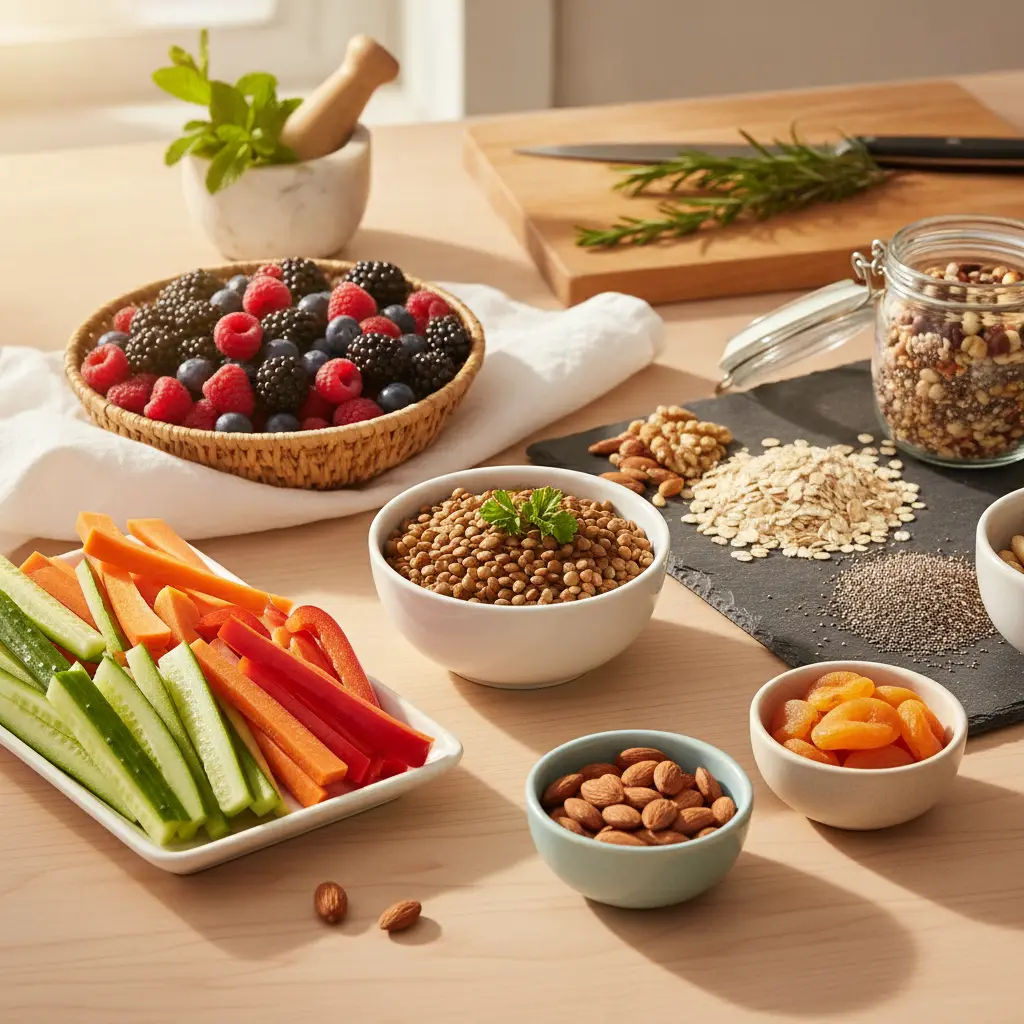
High Fiber Low Calorie Snacks for Weight Loss
This article is part of the same work-life weight loss cluster as high fiber meal prep for weight loss, because long schedules often create the same practical barriers: irregular meals, decision fatigue, skipped movement, and stress-driven snacking.
The Powerhouse Duo: Fiber and Low Calories for Weight Management
Before delving into specific snack ideas, it’s important to understand why the combination of fiber and low calories is so effective for weight management. Fiber, a type of carbohydrate that the body cannot digest, plays a critical role in satiety. Research consistently demonstrates that increasing dietary fiber intake can lead to reduced calorie consumption and support weight management efforts. Fiber slows down digestion, meaning food stays in your stomach longer, which helps you feel fuller for an extended period. This effect can be a significant advantage when aiming to reduce overall calorie intake.
Combining fiber with low-calorie foods amplifies these benefits. Low-calorie foods generally contain fewer calories per serving, allowing you to consume a larger volume without exceeding your daily calorie goals. When these low-calorie foods are also rich in fiber, you achieve the ideal balance: volume and satisfaction for fewer calories. This strategic approach can help you avoid the feeling of deprivation often associated with restrictive diets, making the process more sustainable in the long run. It’s about making choices that work with your body’s natural processes rather than against them.
Understanding the “Why”: Fiber’s Role in Weight Management
So, what exactly makes fiber such a valuable component for weight management? Its impact is multifaceted, influencing not only your feeling of fullness but also how your body functions. The Dietary Guidelines for Americans underscore the importance of increasing fiber intake for overall health and weight management.
-
Satiety and Appetite Control: As previously mentioned, fiber adds bulk to your meals and snacks, which physically stretches your stomach and signals to your brain that you are full. This effect can significantly reduce hunger pangs and the urge to snack on less healthy options between meals. It acts as a natural appetite modulator. According to the Harvard T.H. Chan School of Public Health, increased fiber intake is associated with a lower body weight.
-
Blood Sugar Regulation: Fiber helps to slow the absorption of sugar into your bloodstream. This leads to a more gradual rise and fall in blood sugar levels, preventing the sharp spikes and crashes that can trigger cravings and fatigue. Stable blood sugar levels are fundamental to healthy eating and effective weight management.
-
Digestive Health: A healthy digestive system is vital for overall well-being and can indirectly support weight management. Fiber adds bulk to stool, promoting regular bowel movements and preventing constipation. A well-functioning digestive tract is also more efficient at absorbing nutrients from the foods you consume.
-
Calorie Density: High-fiber foods are typically less calorie-dense than their low-fiber counterparts. This means you can consume a larger quantity of fiber-rich foods for the same number of calories, contributing to a feeling of fullness without a significant caloric impact. For instance, a cup of berries will offer more volume and fiber for fewer calories than a small cookie.
-
Gut Microbiome Support: Emerging research highlights the importance of a healthy gut microbiome for metabolic health and weight management. Fiber acts as a prebiotic, feeding the beneficial bacteria in your gut. These bacteria can influence everything from nutrient absorption to the production of hormones related to appetite regulation. The NIDDK notes the role of the gut microbiome in digestive health.
The benefits are clear: prioritizing fiber is a smart, evidence-based strategy for anyone looking to manage their weight sustainably. It’s not merely about cutting calories; it’s about nourishing your body with foods that actively support your health and wellness goals.
Delicious & Filling: Your Go-To Snack Arsenal
Now, let’s get to the exciting part! Here are some fantastic high fiber low calorie snacks for weight loss that are easy to prepare and will keep you satisfied.
The Fruit Fanatic: Berries, Apples, and Pears
Fruits are nature’s sweet treats, and many are packed with fiber and water, making them excellent low-calorie snacks. The USDA MyPlate initiative encourages the consumption of fruits for their abundant nutritional benefits.
-
Berries (Strawberries, Blueberries, Raspberries, Blackberries): These small fruits are incredibly high in fiber and antioxidants, and relatively low in sugar. A cup of mixed berries is a satisfying snack that is bursting with flavor and nutritional value. They are also incredibly versatile – enjoy them on their own, or add them to yogurt or a small bowl of oatmeal.
-
Apples: With their satisfying crunch and natural sweetness, apples are a classic snack for good reason. The skin contains a significant portion of the fiber, so it’s best to eat it whole! A medium apple provides approximately 4 grams of fiber and is naturally filling. For added protein and healthy fats, pair it with a tablespoon of nut butter (like almond or peanut butter) – just be mindful of the nut butter portion size.
-
Pears: Similar to apples, pears offer a good amount of fiber and a pleasant sweetness. Again, eating the skin maximizes fiber intake. They are also a good source of pectin, a type of soluble fiber.
Veggie Victory: Crunchy, Savory, and Satisfying
Don’t underestimate the power of vegetables as snacks! They are remarkably low in calories and high in fiber, and can be surprisingly delicious when prepared creatively. The USDA MyPlate also emphasizes vegetables as a key component of a healthy diet.
-
Carrot Sticks with Hummus: Raw carrots are wonderfully crunchy and satisfying. Pair a generous portion of carrot sticks with a couple of tablespoons of hummus for a balanced snack offering fiber, protein, and healthy fats. Hummus, made from chickpeas, is also a good source of fiber.
-
Celery Sticks with Light Cream Cheese or Nut Butter: Another classic crunchy option. While plain celery is primarily water, it does offer some fiber. Pairing it with a small amount of light cream cheese or nut butter adds a touch of richness and extends satiety.
-
Cucumber Slices with Greek Yogurt Dip: Refreshing and light, cucumber slices are an excellent way to add volume and hydration to your snack. Create a simple dip by mixing plain Greek yogurt with herbs like dill or chives, a squeeze of lemon, and a pinch of salt and pepper. Greek yogurt contributes protein, which further enhances fullness.
-
Edamame (Steamed or Dry Roasted): Edamame, which are young soybeans, are a fantastic source of plant-based protein and fiber. You can buy them frozen and steam them at home, or find dry-roasted versions for a convenient grab-and-go snack. A half-cup serving provides a substantial amount of both nutrients.
Smart Grain Choices: Whole Grains for Sustained Energy
While many processed snacks are made from refined grains, choosing whole grains is essential for fiber intake and sustained energy. The Academy of Nutrition and Dietetics recommends whole grains as a cornerstone of a healthy diet.
-
Air-Popped Popcorn: This might be a surprise, but plain, air-popped popcorn is a whole grain and a remarkably good source of fiber! It’s light, airy, and can be a very filling snack if you adhere to reasonable portion sizes. Avoid pre-packaged microwave popcorn, which is often laden with unhealthy fats and sodium. Season it with a sprinkle of nutritional yeast for a cheesy flavor or a dash of cinnamon for sweetness.
-
Whole-Wheat Crackers with Avocado or Cottage Cheese: Opt for crackers made with 100% whole wheat or other whole grains. Top them with a thin layer of mashed avocado for healthy fats and fiber, or with cottage cheese for a protein boost. Be mindful of the number of crackers consumed. The USDA MyPlate lists grains as a source of carbohydrates that can be part of a healthy diet.
Seeds and Nuts: Portion Control is Key
Seeds and nuts are nutritional powerhouses, offering fiber, protein, and healthy fats. However, they are also calorie-dense, so portion control is crucial when incorporating them into your high fiber low calorie snacks for weight loss plan.
-
Almonds: A small handful (approximately 1 ounce or 23 almonds) provides about 3.5 grams of fiber and a good dose of protein and healthy fats. They are incredibly satisfying and can help curb cravings.
-
Walnuts: Similar to almonds, walnuts offer fiber, protein, and beneficial omega-3 fatty acids. Stick to a small handful.
-
Pumpkin Seeds (Pepitas): These are rich in fiber, magnesium, and zinc. Enjoy a quarter-cup portion. The USDA FoodData Central is an excellent resource for detailed nutritional information on various foods like pumpkin seeds.
-
Chia Seeds: While not typically eaten on their own as a snack, chia seeds can be incorporated into other snack items. For example, prepare a chia seed pudding by mixing chia seeds with unsweetened almond milk and a touch of sweetener, then letting it thicken in the fridge. A tablespoon of chia seeds can contribute about 4 grams of fiber.
Dairy & Protein Boosters for Extra Fullness
Adding protein to your snacks can further enhance satiety, making them even more effective for weight management. The USDA MyPlate identifies protein foods as an essential component of a balanced diet.
-
Greek Yogurt with Berries: Plain, non-fat Greek yogurt is an excellent source of protein. Top it with a handful of berries for added fiber and natural sweetness. Avoid yogurts with added sugars.
-
Cottage Cheese with Fruit or Veggies: Cottage cheese is another protein-rich dairy option. Enjoy it with sliced peaches, pineapple, or a sprinkle of black pepper and chives.
-
Hard-Boiled Eggs: A simple, portable, and protein-packed snack. One large egg contains about 6 grams of protein and very few calories. While not exceptionally high in fiber, its protein content makes it a satiating choice that pairs well with fiber-rich sides.
Tips for Success with High Fiber Low Calorie Snacks
Making high fiber low calorie snacks for weight loss a regular part of your routine requires a degree of planning and awareness. Here are some practical tips to help you succeed:
-
Plan Ahead: Avoid waiting until hunger strikes to decide what to eat. Dedicate some time each week to planning your snacks. Wash and chop vegetables, portion out nuts, or prepare chia seed pudding in advance. This proactive approach can prevent you from reaching for less healthy options out of convenience.
-
Portion Wisely: Even healthy foods contain calories. Be mindful of portion sizes, particularly with calorie-dense items like nuts, seeds, and nut butters. Utilizing smaller bowls or snack bags can serve as helpful visual cues for portion control.
-
Hydrate, Hydrate, Hydrate: Sometimes, thirst can be mistaken for hunger. Before reaching for a snack, try drinking a glass of water. It’s also crucial to remember that fiber requires adequate water to function effectively. Ensure you are drinking plenty of fluids throughout the day, especially as you increase your fiber intake.
-
Read Labels Carefully: When selecting packaged snacks, always scrutinize the nutrition labels. Look for options that are high in fiber and low in added sugars, unhealthy fats, and sodium. Pay close attention to the listed serving sizes.
-
Listen to Your Body: While these snack ideas are generally beneficial, pay attention to how different foods affect you. Some individuals may experience digestive discomfort if they rapidly increase their fiber intake. Introduce new high-fiber foods gradually to allow your digestive system to adjust.
-
Combine for Balanced Snacks: To achieve maximum satisfaction and sustained energy, aim to combine fiber with protein and healthy fats. For example, an apple (fiber) with a tablespoon of almond butter (protein, healthy fats) is more filling and satisfying than an apple consumed alone. This approach is a foundational element of successful high fiber meal prep for weight loss strategies.
The Importance of Variety and Enjoyment
Remember, the ultimate goal is sustainable weight management, not temporary restriction. This philosophy extends to finding snacks that you genuinely enjoy. Don’t force yourself to consume foods you dislike. Experiment with different fruits, vegetables, and preparation methods to discover what works best for your palate and lifestyle. A varied diet also ensures that you are receiving a broad spectrum of essential nutrients.
Incorporating high fiber low calorie snacks for weight loss does not necessitate sacrificing flavor or enjoyment. It is about making conscious, informed choices that actively support your body and your personal goals. By focusing on nutrient-dense, satisfying options, you can effectively manage cravings, control hunger, and remain on track with your wellness journey.
Key Takeaways
- Fiber is your ally: High fiber snacks promote fullness, help regulate blood sugar, and aid digestion, making them beneficial for weight management.
- Low calorie pairing is effective: Combining fiber with low-calorie foods allows for satisfying portions without excessive calorie intake.
- Fruits and vegetables are excellent choices: Berries, apples, pears, carrots, celery, and cucumbers are nutrient-dense, high-fiber, and low-calorie options.
- Whole grains provide sustained energy: Air-popped popcorn and whole-grain crackers can be good fiber sources.
- Portion control is vital: Nuts, seeds, and nut butters are healthy but calorie-dense; enjoy them in moderation.
- Protein enhances satiety: Greek yogurt, cottage cheese, and hard-boiled eggs can make snacks more filling.
- Plan and hydrate for success: Advance planning and adequate water intake are key to consistent, healthy snacking.
- Embrace variety: Discover snacks you enjoy to ensure long-term adherence and nutrient diversity.
Frequently Asked Questions
Q1: How much fiber should I aim for daily for weight management?
While individual needs vary, general recommendations suggest aiming for 25-30 grams of fiber per day for adults. Focusing on high-fiber snacks can help you reach this target more easily. Remember to increase your water intake as you increase fiber to aid digestion.
Q2: Can I eat nuts and seeds as snacks if I’m trying to manage my weight?
Yes, nuts and seeds can be excellent high fiber low calorie snacks for weight loss, but portion control is essential. They are calorie-dense due to their healthy fat content. A small handful (about 1 ounce) is generally a good serving size. They provide fiber, protein, and healthy fats, which contribute to satiety.
Q3: What’s the difference between soluble and insoluble fiber, and do I need both?
Both types of fiber are important. Soluble fiber dissolves in water to form a gel-like substance, which can help lower blood cholesterol and glucose levels (found in oats, beans, apples, citrus fruits). Insoluble fiber does not dissolve in water and adds bulk to stool, helping to prevent constipation (found in whole wheat flour, wheat bran, nuts, beans, cauliflower, green beans, potatoes). A balanced diet rich in various plant-based foods will typically provide both.
Q4: I feel bloated when I eat more fiber. What can I do?
Bloating can sometimes occur when you significantly increase your fiber intake quickly. The best approach is to gradually increase your fiber consumption over a few weeks to allow your digestive system to adjust. Ensure you’re drinking plenty of water, as this helps fiber move through your system smoothly and can reduce discomfort. If bloating persists, consult with a healthcare professional.
Q5: Are there any high fiber low calorie snacks I can buy at the grocery store?
Absolutely! Look for options like plain Greek yogurt, unsweetened applesauce, fresh or frozen berries, pre-portioned nuts (check labels for added sugars or salt), edamame (in the frozen section), vegetable sticks (often pre-cut), whole-grain crackers with minimal added sugar, and small cans of chickpeas or beans that can be rinsed and eaten cold. Always check the nutrition labels to ensure they fit your goals.
References:
[1] How can fiber help with weight loss (n.d.). Harvard T.H. Chan School of Public Health. Retrieved from https://nutritionsource.hsph.harvard.edu/carbohydrates/fiber/
[2] The Gut Microbiome and Health. (2017, May 1). National Institute of Diabetes and Digestive and Kidney Diseases. Retrieved from https://www.niddk.nih.gov/health-information/digestive-diseases/gi-health/gut-microbiome-health
[3] USDA MyPlate. Vegetables. Retrieved from https://www.myplate.gov/eat-healthy/vegetables
[4] USDA MyPlate. Protein Foods. Retrieved from https://www.myplate.gov/eat-healthy/protein-foods
[5] Academy of Nutrition and Dietetics. Fiber. Retrieved from https://www.eatright.org/food/vitamins-and-supplements/nutrient-rich-foods/fiber
[6] USDA FoodData Central. Retrieved from https://fdc.nal.usda.gov/