
There is a strange disconnect between what we need to function and what we actually put on our dinner plates. We often look at food through a lens of limitations, focusing on what we should remove rather than how we can upgrade the landscape of the meal. The goal isn’t just to feel less hungry but to ensure the body is receiving the raw materials it needs to manage energy levels throughout the afternoon.
Non-starchy vegetables offer a solution that bypasses the need for complicated math or intense restriction. By prioritizing these plants, you provide your system with high-volume, low-calorie fuel that stabilizes internal signals of hunger.
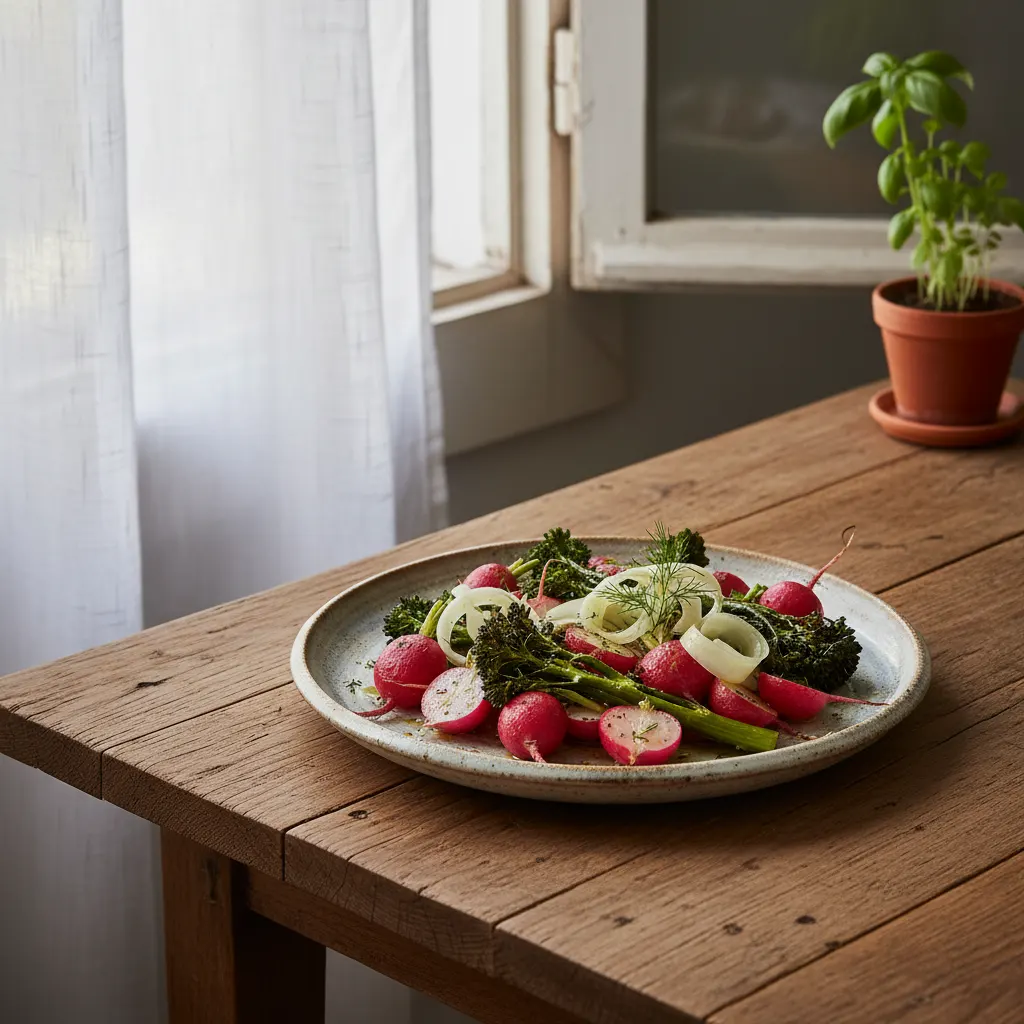
Biological researchers often discuss the concept of nutrient density, which essentially refers to the concentration of vitamins, minerals, and fiber relative to the caloric content of a food. When you fill half your plate with non-starchy options like spinach, broccoli, or zucchini, you are expanding the physical size of the meal without adding a significant energetic load. This creates a psychological and physiological sense of satiety that processed alternatives simply cannot replicate.
The mechanism here is relatively straightforward. Fiber, which is abundant in these vegetables, slows down the rate at which food leaves the stomach. This prevents the rapid spike and subsequent crash in blood sugar that often leads to mid-afternoon fatigue. You aren’t just eating to stop the stomach from growling. You are eating to maintain a steady internal environment.
Accessibility remains the biggest hurdle for most people. We tend to view vegetables as a chore, something that requires intricate preparation or expensive equipment. That assumption is what leads to boxes of wilting greens in the crisper drawer.
The secret is to focus on options that require almost no effort to incorporate into a daily routine. Frozen cauliflower rice, for instance, serves as a blank canvas for any seasoning profile. A bag of baby spinach can be stirred into hot soup, wilted into a scramble, or simply tossed with olive oil and salt in under sixty seconds. These aren’t culinary experiments. They are functional building blocks.
Consider keeping a few staples on hand that don’t demand a recipe:
- Sliced bell peppers or cucumber sticks for a quick crunch
- Pre-washed bags of kale or mixed greens
- Zucchini ribbons that cook in less than three minutes
- Steamed green beans that work perfectly as a side for any protein
Consistency relies on how easily these foods integrate into what you already enjoy. If you like pasta, start by mixing in sautéed mushrooms and roasted peppers until the vegetable-to-pasta ratio shifts. If you prefer stir-fry, prioritize the broccoli and snap peas before adding the grains. The objective is to make the nutrient-dense option the path of least resistance.
Focusing on volume provides a cushion for your choices.
You stop treating hunger as an adversary to be conquered and start viewing it as a conversation. When you provide the body with the fiber and bulk it recognizes as substantial, the intense cravings for quick energy begin to lose their urgency. The brain is less likely to demand instant sugar when it has already been occupied with a meal that provides consistent, slow-burning satisfaction.
There is no need to overhaul the entire way you eat in a single week.
Start with a single meal. Identify one moment in your day—perhaps lunch, when you are busy and liable to grab something convenient—and commit to doubling the vegetable portion. Observe how your energy holds up two hours later compared to a day when you skipped that step. The shift in how you feel often provides all the motivation needed to continue the practice.
This isn’t about being perfect. It is about understanding that the volume of what you consume can work for you rather than against you. By choosing foods that take up space on the plate and provide genuine nourishment, you naturally crowd out the items that don’t serve your long-term goals.
It is a quiet change that eventually carries significant weight.