
Most of us look at our commute as a block of dead time. It is that frustrating space between where you need to be and where you actually are. You sit in a car, on a train, or wait at a stop, feeling the clock tick while your muscles stay frozen. We treat this time as something to endure rather than something to use.
If you stop viewing travel as a chore, the entire landscape of your day changes. You don’t have to find an extra hour for a workout when you start harvesting movement from the transit you are already doing. It is about rethinking the space between two points.
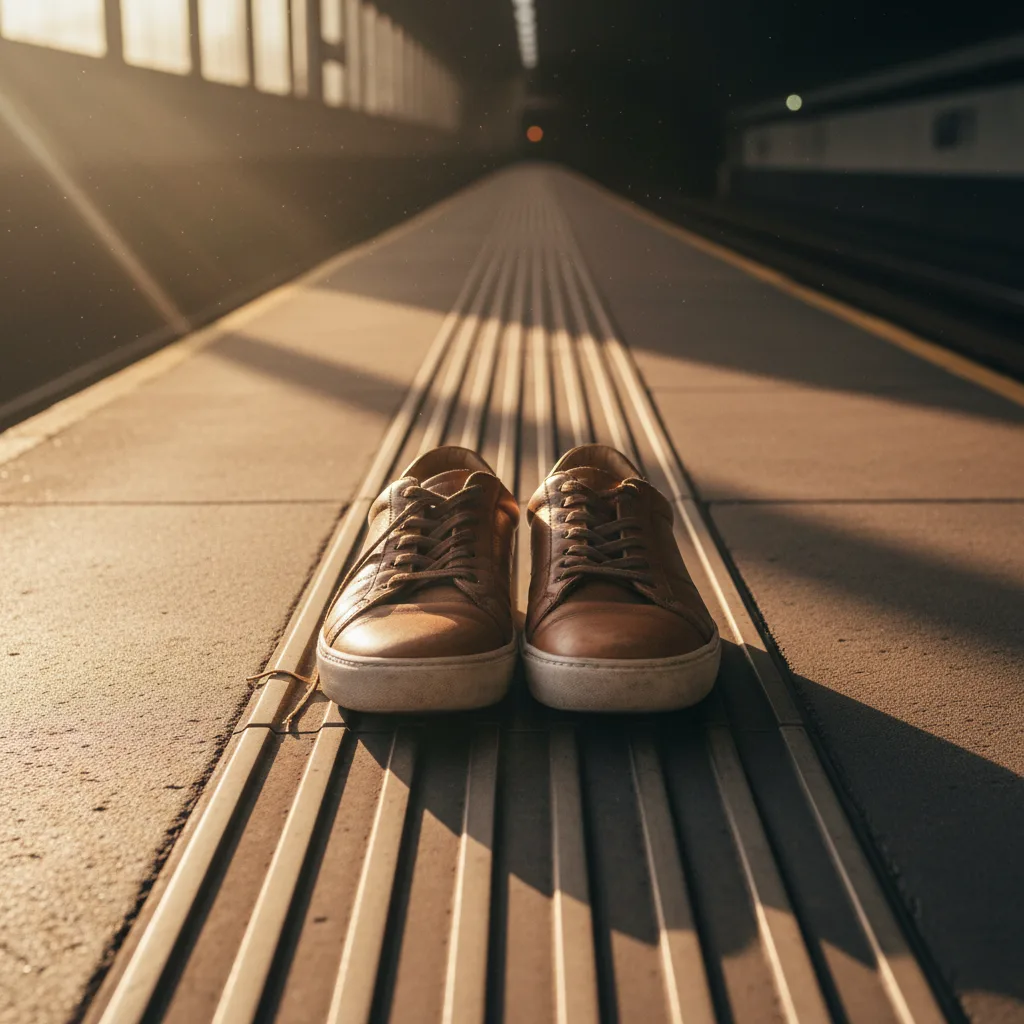
Active transportation sounds like a technical term for athletes, but it is just a fancy way of saying you use your own body to get somewhere. It could be parking at the back of the lot instead of circling for the closest space. It could be getting off the bus two stops early. It could be biking to the post office instead of driving.
When you choose to move, you change the way your body responds to the day. Research published in the American Journal of Preventive Medicine suggests that people who incorporate even modest amounts of active transit into their routines see significant improvements in their overall health markers. This isn’t about running a marathon to work. It is about the cumulative effect of small, intentional choices.
Your muscles do not care if you are wearing spandex or your work clothes. They just care about the exertion.
When you walk, you engage your core, your glutes, and your legs in a rhythmic, low-impact way that keeps your metabolism moving rather than stalling out. Sitting for hours triggers a different physiological state. Studies have shown that prolonged sitting can lead to a dip in the enzymes responsible for breaking down fats, essentially slowing your internal engine to a crawl. By breaking up that stillness with a walk, you keep those systems humming.
This approach removes the pressure of the all-or-nothing mindset. If you miss a gym class, you feel like you failed the day. But if you walk an extra ten minutes on your way to a meeting, you have simply lived your life. You stop trying to cram health into a schedule and start weaving it into the fabric of your existing day.
You might feel limited by your location or your schedule, but there is almost always a gap to exploit. If you drive, can you park a half-mile away and walk the rest? If you take the subway, can you commit to taking the stairs instead of the escalator? These are not massive sacrifices. They are subtle shifts in your trajectory.
Focus on the rhythm of the movement rather than the burn.
Many of us have been conditioned to believe that if we aren’t sweating through our shirts, it doesn’t count. Science disagrees. A study from the University of Utah highlighted that even one-minute bouts of vigorous movement—like briskly climbing stairs or picking up the pace while walking to the train—add up. It is about total daily energy expenditure. Your body is a machine that runs on movement, and it doesn’t distinguish between a planned workout and a purposeful commute.
Start by looking at your map. Trace the route you take every single day and identify one point where you can insert an extra hundred steps.
It is a quiet revolution. You are not signing up for a new hobby or buying expensive gear. You are simply reclaiming the time you are already spending. You are using the world as your gym, one sidewalk and one stairwell at a time.
Consistency beats intensity every single day.
The goal isn’t to make your commute harder. It is to make it more productive for your health. When you stop fighting the travel time and start using it, the dread of a busy day starts to lift. You arrive at your destination with a clearer head, a warmer body, and the quiet satisfaction that you didn’t need a gym card to move your body exactly how it was designed to move.