
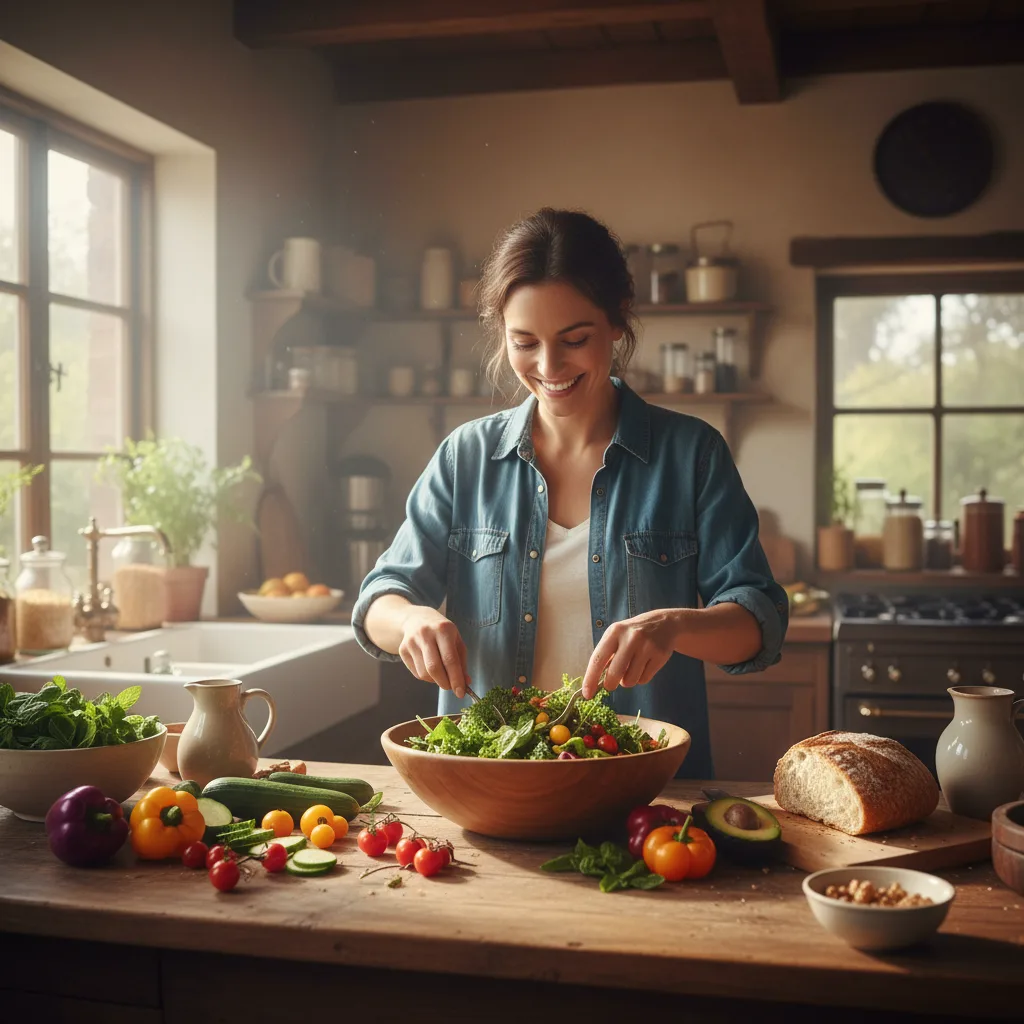
The math we were all sold is deceptively simple: eat fewer calories than you burn, and you’ll reach your health goals. We obsess over macros, count every almond, and track our steps with relentless precision. Yet, we often ignore the most powerful, silent influencer sitting right in front of us: the environment we occupy while we eat. It turns out that the secret to effortless portion control might not be found in a cookbook or a calorie-tracking app, but in the spectrum of light hitting your eyes before you even take your first bite.
There is an fascinating neurological dance happening between your retinas and your appetite. When you change your surroundings, you aren’t just changing your mood; you are fundamentally altering how your brain perceives hunger and satiety. It’s not just about what is on your plate, but the visual “vibe” of the space where you dine.
Harnessing the Evolutionary Power of Color Cues
For centuries, the human brain has evolved to interpret color as a survival signal. We are wired to scan our environment for signs of abundance, danger, or safety. In nature, the color red is often associated with urgency, ripeness, and energy—think of a bright, juicy apple or a ripe berry. It demands attention and signals that it’s time to consume energy quickly. Conversely, green represents the stability of a healthy ecosystem. It is the color of growth, safety, and long-term vitality.
Because of this ancient connection, seeing green before you eat changes your appetite by signaling to your brain that you are in a secure, abundant environment. When your brain perceives this sense of safety, it doesn’t feel the frantic need to “stock up” on calories, which often happens when we are stressed or overstimulated.
In a compelling study published in the journal Appetite, researchers at the University of Hohenheim found that exposure to the color green before a meal reduced subsequent calorie intake by 14% compared to exposure to the color red. This wasn’t because the participants were consciously trying to diet; their brains were simply responding to the visual input by naturally suppressing the urge to overeat. The red environment, by contrast, seemed to act as a subconscious trigger for higher consumption, likely because our evolutionary ancestors associated red with high-calorie, fast-acting fuel.
Curating Your Visual Dining Environment
If you want to leverage this science, you don’t need to repaint your entire kitchen a vibrant lime. It’s all about intentional exposure. Small, strategic changes to your visual field can have a compounding effect on your daily intake. Think of it as “priming” your brain for a more mindful meal.
You might start by keeping a bowl of fresh, crisp greens on the table where you dine. Placing a vibrant fern, a vase of fresh herbs, or even just a set of green placemats in your field of vision can serve as a subtle anchor. By focusing your gaze on these cool, calming tones for just a few moments before you begin your meal, you are signaling to your central nervous system that it is time to relax. This shift helps you transition out of the “fight or flight” mode that often leads to mindless snacking.
When you slow down your visual processing, you also tend to slow down your eating speed. A study in the journal Obesity confirmed that focusing on visual and sensory cues during a meal significantly increases the satisfaction derived from smaller portions. When you “see” the green, you are essentially telling your brain that the meal is sufficient. It’s a gentle, non-intrusive way to put the brakes on appetite before the first forkful even hits your tongue.
The Psychological Advantage of Green Packaging
It’s not just about the paint on your walls; it’s about the packaging that enters your home. Many people struggle with snacking because their pantry is filled with bright, aggressive colors—reds and oranges are marketing staples precisely because they stimulate appetite and urgency.
When you look at your kitchen shelves, consider the visual weight of your food containers. Using green or cool-toned storage containers for your meal-prepped lunches or your healthy pantry staples can create a secondary layer of visual priming. Every time you open that cupboard, you’re greeted with a color that promotes balance rather than the frantic hunger signals triggered by warmer, louder colors.
This isn’t about restriction; it’s about architecture. You are building an environment that supports the version of yourself you want to be. When your brain is constantly scanning a landscape of calming, nourishing colors, it’s much easier to walk away from a meal feeling satisfied rather than stuffed.
Remember, weight loss is often framed as a battle of willpower, but the most successful health strategies are those that make healthy choices the path of least resistance. When you use color to your advantage, you are effectively outsourcing your willpower to your biology. You are working with your brain’s reward system instead of fighting against it. By intentionally surrounding yourself with the color of growth and safety, you’re creating the perfect conditions to nourish your body without the internal struggle. It is a simple, luminous change that brings your home and your health into a much more harmonious alignment.
Key Takeaways
- Seeing green before you eat creates a subconscious feeling of safety and abundance, which can reduce your calorie intake by up to 14%.
- Warm colors like red stimulate a sense of urgency and appetite, whereas cool, green tones promote a more relaxed and mindful eating experience.
- You can prime your brain by keeping green elements—such as a small plant, fresh herbs, or green placemats—in your direct line of sight while you dine.
- Using green-toned containers for meal storage helps maintain a calm, balanced visual environment in your kitchen, reducing the urge to snack impulsively.