
When life gets busy, and that to-do list seems to grow by the minute, the siren song of convenience can be incredibly tempting. For many of us navigating the path to sustainable weight loss, this often means looking for quick meal solutions. And let’s be honest, the freezer aisle can feel like a treasure trove of options. But with so many choices, how do you sift through the packages promising miracles and find the truly beneficial ones? Today, we’re diving deep into the world of the best frozen meals for weight loss and low sodium.
It’s not about deprivation or resorting to bland, uninspiring food. It’s about smart choices that fit into a balanced lifestyle. We want meals that are not only easy to prepare but also packed with nutrients, support our weight management goals, and crucially, don’t overload us with sodium. Finding that sweet spot can feel like a challenge, but with a little knowledge and a keen eye for labels, it’s absolutely achievable. We’ll explore what to look for, what to steer clear of, and highlight some fantastic contenders that can become staples in your healthy eating routine.
This article is part of the same work-life weight loss cluster as healthy soups for weight loss to buy, because long schedules often create the same practical barriers: irregular meals, decision fatigue, skipped movement, and stress-driven snacking.
Best Frozen Meals for Weight Loss and Low Sodium
Decoding the Labels: What Makes a Frozen Meal “Good” for Weight Loss?
The term “weight loss meal” on a package can be misleading. True weight loss support comes from nutrient density, portion control, and a balanced macronutrient profile. When selecting frozen meals for weight loss and low sodium, several key indicators will guide you toward the right choices.
First, portion size and calorie count are paramount. A single-serving meal should ideally fall between 300-500 calories, depending on your individual needs and daily intake. Overly large portions, even if seemingly healthy, can sabotage your calorie deficit efforts. Check the nutrition facts panel carefully for the serving size and the corresponding calorie count.
Next, focus on protein and fiber. These two components are your allies in feeling full and satisfied. Protein helps to preserve lean muscle mass during weight loss, which is crucial for metabolism. Fiber aids digestion and also contributes to satiety. Look for meals that list lean protein sources like chicken breast, fish, tofu, or beans as primary ingredients, and that contain a good amount of vegetables or whole grains for fiber. The USDA recommends that adults consume between 25-35 grams of fiber per day, so aim for meals that contribute a significant portion of that. [Source: USDA Dietary Guidelines]
Sodium content is another critical factor, especially when aiming for the best frozen meals for weight loss and low sodium. Many pre-packaged meals are notoriously high in sodium, which can lead to water retention, bloating, and an increased risk of high blood pressure. The American Heart Association recommends no more than 2,300 milligrams (mg) of sodium per day, with an ideal limit of 1,500 mg for most adults. When choosing frozen meals, aim for options that contain less than 600 mg of sodium per serving, and ideally, much lower. Reading the “Nutrition Facts” label and the ingredients list is essential here. Look for phrases like “low sodium” or “very low sodium” if available, but always verify the actual milligram count.
Finally, consider the quality of ingredients. While convenience is the draw, a truly healthy frozen meal will prioritize whole, unprocessed foods. Watch out for meals that are loaded with refined grains, added sugars, unhealthy fats (like partially hydrogenated oils), and excessive artificial preservatives or flavorings. Opt for meals with recognizable ingredients – think fresh vegetables, lean meats, and whole grains.
Navigating the Freezer Aisle: What to Look For and What to Avoid
The freezer aisle can feel overwhelming, but by knowing what to hunt for and what to shy away from, you can make informed decisions. Think of this as your treasure map to the best frozen meals for weight loss and low sodium.
What to Look For:
- Lean Protein Sources: Chicken breast, turkey, fish (salmon, cod), tofu, beans, lentils. These should be listed as the first or second ingredient.
- Abundant Vegetables: Look for meals packed with a variety of colorful vegetables. They add volume, nutrients, fiber, and flavor without significantly increasing calories.
- Whole Grains: Brown rice, quinoa, whole wheat pasta, or barley can provide sustained energy and fiber.
- “Low Sodium” or “Reduced Sodium” Claims: While always double-check the actual sodium content (aiming for under 600mg per serving), these labels are a good starting point.
- Clear Ingredient Lists: Foods with simple, recognizable ingredients are generally better choices.
- Adequate Fiber Content: Aim for meals with at least 3-5 grams of fiber per serving.
What to Avoid:
- Creamy Sauces and Rich Gravies: These are often loaded with unhealthy fats, sodium, and calories. Opt for lighter tomato-based sauces, broths, or herb-infused preparations.
- Fried or Breaded Items: These significantly increase calorie and fat content and often come with higher sodium levels.
- “Mega-Portion” Meals: Be wary of meals that look excessively large for a single serving.
- High Sugar Content: Check for added sugars in sauces or marinades, especially in Asian-inspired or sweet and sour dishes.
- Long, Unpronounceable Ingredient Lists: This often indicates a highly processed product with artificial additives.
- Excessive Sodium: Even if a meal seems otherwise healthy, if it’s sky-high in sodium (e.g., over 800-1000mg per serving), it’s best to pass.
Top Contenders: The Best Frozen Meals for Weight Loss and Low Sodium
While brand recommendations can change and individual needs vary, here are some categories and examples of frozen meals that often fit the bill for being among the best frozen meals for weight loss and low sodium. Remember to always check the specific nutrition labels of the products you find in your local store, as formulations can vary.
1. Lean Protein with Vegetable Medleys:
These are often your safest bet. Look for options like grilled chicken breast or salmon with steamed broccoli, green beans, or asparagus. Some brands offer these with a small portion of brown rice or quinoa.
* What to look for: Ingredients like chicken breast, salmon, broccoli, asparagus, lemon, herbs.
* What to watch out for: Creamy sauces, excessive butter, or high-sodium marinades.
2. Vegetable-Forward Soups and Stews:
When chosen wisely, soups can be incredibly filling and nutrient-dense. Hearty vegetable soups, lentil stews, or minestrone can be excellent choices. This is where your research into healthy soups for weight loss to buy really pays off, as many frozen versions can be found.
* What to look for: Broth-based soups, plenty of vegetables, beans, lentils, lean meats.
* What to watch out for: Creamy bases, high sodium broth, excessive pasta or rice.
3. Grain Bowls with Plant-Based Proteins:
Many brands are now offering grain bowls featuring quinoa, brown rice, or farro topped with vegetables and plant-based proteins like tofu, edamame, or chickpeas.
* What to look for: Quinoa, brown rice, tofu, chickpeas, a variety of vegetables, lighter vinaigrettes or herb-based sauces.
* What to watch out for: Heavy, creamy dressings, fried tofu, excessive amounts of cheese.
4. Simple Stir-Fries (with caution):
Some frozen stir-fry meals can be good if you find one with a light sauce and plenty of vegetables and a lean protein.
* What to look for: Lots of mixed vegetables, chicken, shrimp, or tofu, and a light soy or ginger-based sauce.
* What to watch out for: Overly sweet or salty sauces, large amounts of noodles or white rice. Always check the sodium on these!
Important Note: It’s always a good practice to compare brands and even different offerings from the same brand. Some companies excel at providing lower-sodium options while others lag behind. Your diligence in reading labels is your superpower!
Making Frozen Meals Work for You: Beyond Just Reheating
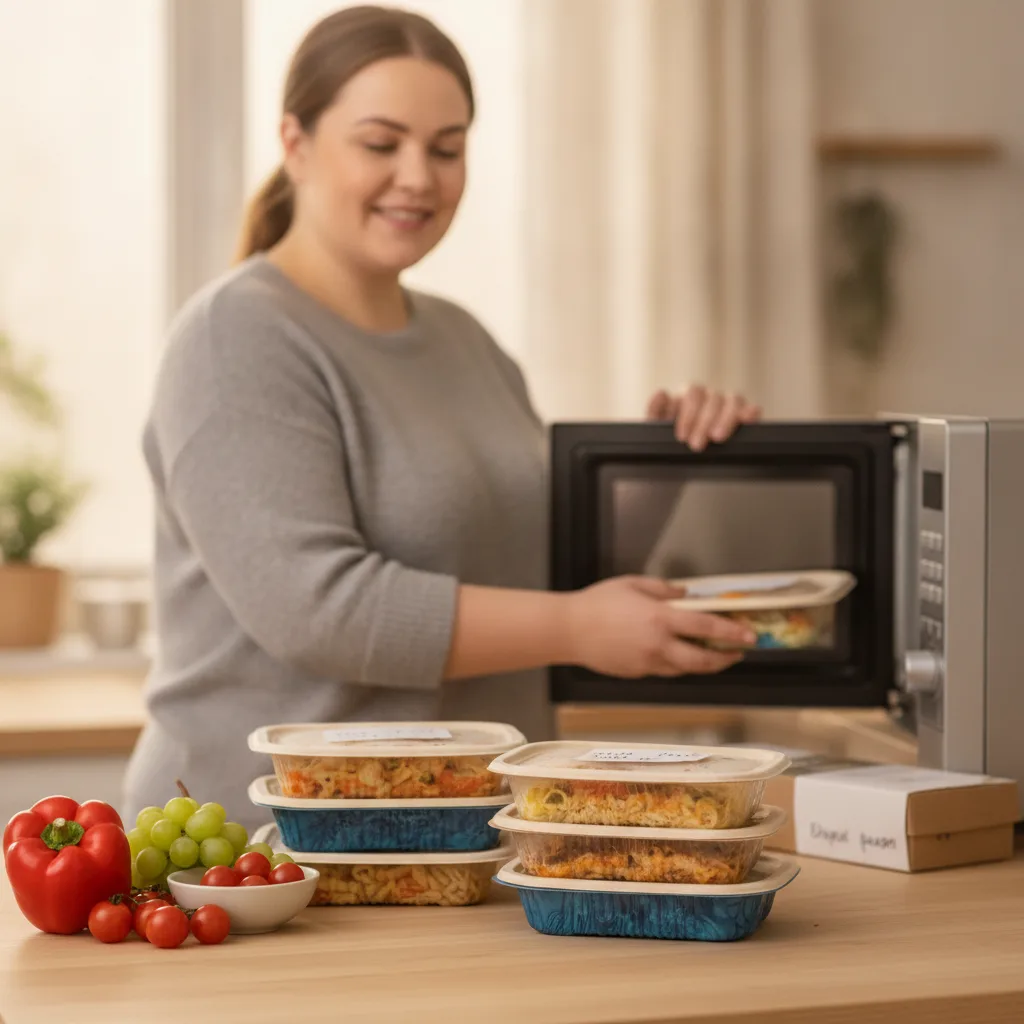
Simply popping a frozen meal into the microwave is just the starting point. To maximize the benefits of the best frozen meals for weight loss and low sodium, consider these enhancements:
- Boost the Veggies: Even if your frozen meal comes with a decent portion of vegetables, you can often add more. Toss in a handful of fresh spinach during the last minute of cooking, or serve your meal alongside a side salad.
- Add Extra Protein (if needed): If your meal is a bit light on protein, consider adding a hard-boiled egg, a small can of drained tuna, or some extra cooked beans.
- Flavor with Herbs and Spices: Instead of reaching for the salt shaker, experiment with fresh herbs, garlic powder, onion powder, paprika, or a squeeze of lemon or lime. These add flavor without sodium.
- Portion Control is Key: Even the healthiest frozen meal needs to be eaten in the appropriate portion size for your calorie goals. If a meal is larger than you need, save the rest for another time.
- Supplement with Fresh Sides: Pair your frozen meal with a fresh, steamed vegetable, a small portion of fruit, or a light side salad for a more complete and satisfying meal.
By being a little creative, you can transform a basic frozen meal into a truly nourishing and satisfying part of your weight loss plan.
The Role of Hydration and Lifestyle
While we’re focusing on the best frozen meals for weight loss and low sodium, it’s crucial to remember that these meals are just one piece of the puzzle. Sustainable weight loss is a holistic journey that involves much more than just what you put on your plate.
Hydration plays a vital role. Drinking enough water throughout the day can help you feel fuller, boost your metabolism, and flush out excess sodium. Aim for at least 8 glasses of water daily, and more if you’re active. Sometimes, thirst can be mistaken for hunger, so keeping a water bottle handy is a simple yet effective strategy.
Regular physical activity is also non-negotiable. Exercise burns calories, builds muscle mass (which boosts metabolism), and improves overall health and mood. Find activities you enjoy, whether it’s brisk walking, dancing, swimming, or strength training, and aim for at least 150 minutes of moderate-intensity aerobic activity or 75 minutes of vigorous-intensity aerobic activity per week, plus muscle-strengthening activities at least two days a week. [Source: CDC Physical Activity Guidelines]
Furthermore, mindful eating can significantly impact your success. Pay attention to your hunger and fullness cues. Eat slowly, savor your food, and avoid distractions like screens. This helps you recognize when you’ve had enough and can prevent overeating.
Finally, adequate sleep is often overlooked. Lack of sleep can disrupt hormones that regulate appetite, leading to increased cravings for unhealthy foods. Aim for 7-9 hours of quality sleep per night.
Key Takeaways
- The best frozen meals for weight loss and low sodium offer convenience without compromising health goals.
- Prioritize meals with lean protein, abundant vegetables, and whole grains, while being mindful of calorie count.
- Actively seek out options with low sodium content (under 600mg per serving is a good target).
- Avoid meals high in unhealthy fats, refined carbohydrates, and excessive sodium.
- Enhance frozen meals with fresh ingredients, herbs, and spices to boost nutrition and flavor.
- Remember that frozen meals are a tool, best used as part of a broader healthy lifestyle that includes hydration, regular exercise, mindful eating, and sufficient sleep.
For a reality check on sodium, portions, and balanced meals, compare products against the CDC sodium overview, the FDA Nutrition Facts label guide, and the Dietary Guidelines for Americans.
More Guides in This Cluster
Use these related guides to cover the same weight-loss problem from a practical angle:
- Start with the main guide: healthy soups for weight loss to buy
- best canned foods for weight loss
- best packaged snacks for weight loss
- healthy canned soup for weight loss
Frequently Asked Questions
Q1: How do I know if a frozen meal is truly “low sodium”?
A1: Always check the “Nutrition Facts” label. Look for a sodium content of 140mg or less per serving to be considered “low sodium” by FDA standards. For weight loss, aiming for under 600mg per serving is a practical goal for convenience meals, but even lower is better.
Q2: Can I eat frozen meals every day for weight loss?
A2: While convenient, relying solely on frozen meals might not provide the variety of nutrients your body needs long-term. They are best used as a supplementary tool for busy days, paired with fresh, home-cooked meals whenever possible.
Q3: Are all “diet” or “light” frozen meals good for weight loss?
A3: Not necessarily. These labels can be marketing terms. Always scrutinize the nutrition panel for calorie count, protein, fiber, and especially sodium content. Some “light” options may be low in fat but high in sodium or sugar.
Q4: What are some good brands for low-sodium frozen meals?
A4: While specific brand availability and formulations change, generally, brands that focus on whole foods, plant-based options, or specific “healthy” lines tend to offer better choices. Examples often cited include Lean Cuisine (look for their “Simple Favorites” or specific low-sodium lines), Amy’s Kitchen (many organic and vegetarian options, check sodium), and some store-brand healthy selections. Always verify the labels.
Q5: How can I make a bland frozen meal taste better without adding salt?
A5: Use herbs and spices! Fresh or dried herbs like basil, oregano, cilantro, dill, or parsley can add immense flavor. Garlic powder, onion powder, black pepper, paprika, cumin, and a squeeze of lemon or lime juice are also excellent low-sodium flavor enhancers.