
The day is winding down, your plate is cleared, and perhaps a cozy evening is on your mind. Before you settle into the sofa, consider a simple yet incredibly effective strategy for your weight loss journey: incorporating brisk walking after dinner weight loss. It might sound too good to be true, but this accessible activity can be a game-changer for women looking to shed pounds sustainably and improve their overall well-being. Forget the complicated diets and grueling gym sessions for a moment; sometimes, the most profound changes come from the simplest habits.
We all know that movement is crucial for a healthy lifestyle, but the timing of our physical activity can significantly impact its effectiveness, especially when it comes to managing weight. For many of us, evenings are the only time we can carve out for ourselves after a busy day. This is where the power of a post-dinner stroll, or rather, a brisk walk, truly shines. It’s not just about burning a few extra calories; it’s about optimizing your body’s natural processes and making a lasting difference. This article will delve into why a brisk walk after your evening meal is more than just a pleasant way to end the day; it’s a strategic tool for achieving your weight loss goals.
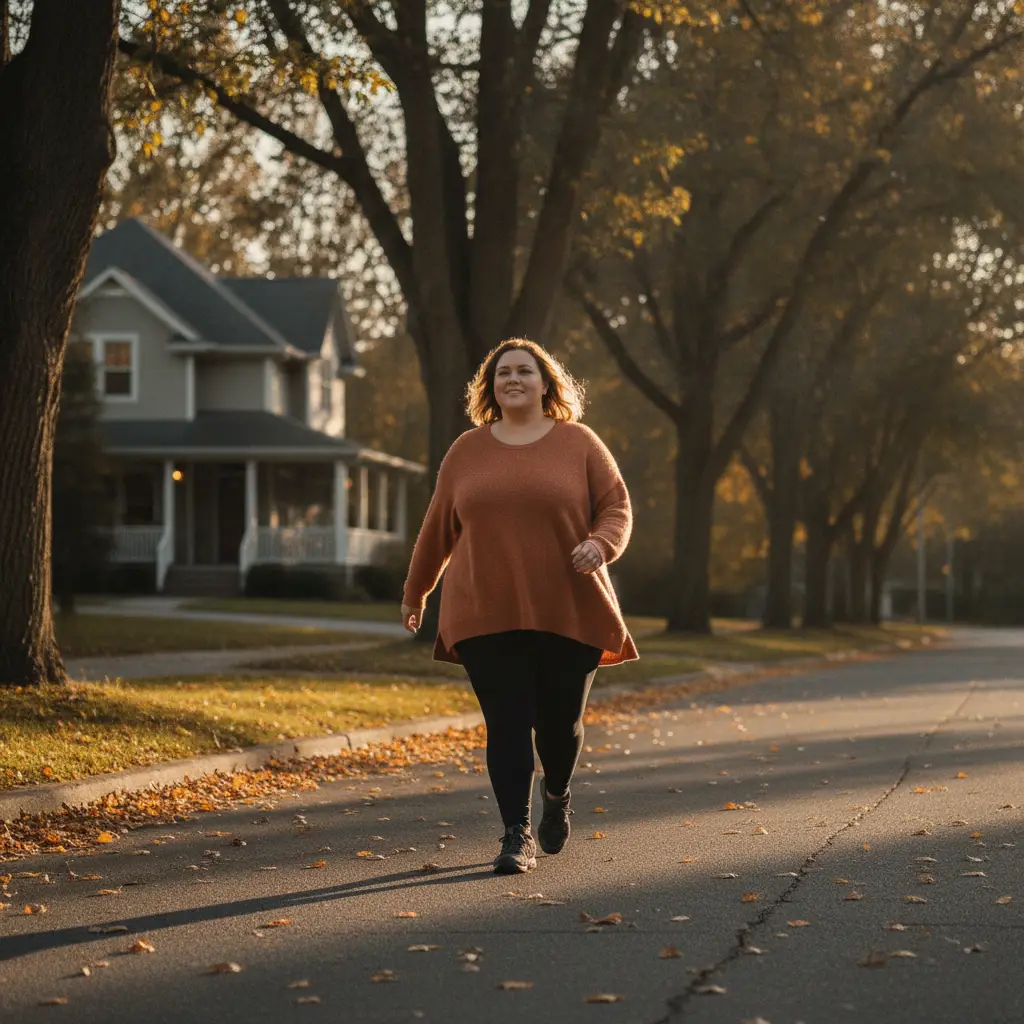
This article is part of the same work-life weight loss cluster as walking for weight loss plan free, because long schedules often create the same practical barriers: irregular meals, decision fatigue, skipped movement, and stress-driven snacking.
Brisk Walking After Dinner Weight Loss
The Science Behind the Evening Stroll
Why is a post-dinner walk so beneficial? Several physiological processes kick in when you engage in moderate physical activity after eating. Firstly, it helps with digestion. Moving your body gently encourages the food to move through your digestive system more efficiently, potentially reducing feelings of bloating or discomfort that can sometimes follow a meal. This smoother digestion can lead to a more comfortable evening and a better night’s sleep, both of which are indirectly linked to weight management.
More directly related to weight loss, a brisk walk after dinner can help regulate blood sugar levels. After you eat, your body releases glucose into your bloodstream. Physical activity, like walking, helps your muscles use this glucose for energy, preventing sharp spikes and subsequent crashes in blood sugar. Stable blood sugar is key not only for preventing cravings and energy dips but also for managing insulin resistance, a common factor in weight gain. The National Institutes of Health provides extensive information on maintaining healthy blood sugar levels, highlighting the role of diet and exercise.
Furthermore, while the calorie burn from a single walk might seem modest, it adds up over time. Consistent daily activity, even at a moderate intensity, creates a calorie deficit that is essential for losing weight. When this activity is strategically placed after a meal, it can help ensure that the calories consumed are more effectively utilized for energy rather than being stored as fat. The cumulative effect of this consistent effort is where the magic of brisk walking after dinner weight loss truly lies. It’s about building a sustainable habit that works with your body’s natural rhythms.
What Constitutes a “Brisk” Walk?
Understanding what “brisk” means is crucial to maximizing the benefits of your post-dinner walk. It’s not just a leisurely amble; it’s an intentional pace that elevates your heart rate and gets you breathing a little harder. Generally, a brisk walk is defined as walking at a pace where you can talk but not sing. You should feel your heart beating faster and your breathing become deeper, but you should still be able to hold a conversation without being completely out of breath.
For most adults, this translates to a pace of around 3 to 4 miles per hour. However, this can vary based on individual fitness levels. The key is to find a pace that challenges you slightly but is still sustainable for the duration of your walk. If you can easily chat about your day without any exertion, you might need to pick up the pace. Conversely, if you’re gasping for air and can’t get a full sentence out, you’re likely pushing too hard.
The intensity of your walk is more important than the exact speed. You should aim for a level of exertion that feels like a 4 or 5 on a perceived exertion scale of 1 to 10, where 1 is resting and 10 is maximum effort. This level of intensity is ideal for burning calories and improving cardiovascular health without being overly strenuous, making it perfect for a daily habit. Verywell Fit offers excellent guidance on determining your optimal brisk walking pace.
Beyond the Scale: Additional Health Benefits
While weight loss is a primary motivator for many, the advantages of brisk walking after dinner weight loss extend far beyond the numbers on the scale. This consistent activity can significantly contribute to your overall health and well-being in numerous ways.
One of the most notable benefits is improved cardiovascular health. Regular brisk walking strengthens your heart muscle, improves circulation, and can help lower blood pressure and cholesterol levels. This reduces your risk of heart disease and stroke, major health concerns for women.
Improved mood and mental well-being are also significant perks. Physical activity releases endorphins, the body’s natural mood boosters. A walk after dinner can be a fantastic way to de-stress, clear your head after a long day, and combat feelings of anxiety or mild depression. It provides a moment of mindfulness, allowing you to disconnect from daily pressures and reconnect with yourself and your surroundings.
Furthermore, consistent walking can contribute to better sleep quality. By helping to regulate your body’s natural sleep-wake cycle and reducing stress, a post-dinner walk can lead to more restful and restorative sleep. And as any woman knows, good sleep is fundamental for everything from energy levels to appetite regulation and overall health.
Bone health is another area that benefits. Weight-bearing exercises like walking help to strengthen your bones and can reduce the risk of osteoporosis, a condition more prevalent in women, especially after menopause. By incorporating this simple movement into your routine, you’re actively investing in your long-term skeletal health.
Integrating Brisk Walking into Your Weight Loss Plan
For brisk walking after dinner weight loss to be truly effective, it needs to be integrated thoughtfully into a broader weight loss strategy. While walking is a powerful tool, it works best when combined with a balanced diet and other healthy lifestyle choices. If you’re looking for a structured approach, consider exploring a comprehensive walking for weight loss plan free to guide your efforts.
Consistency is paramount. Aim to incorporate your brisk walk most evenings. Even 20-30 minutes can make a significant difference. If you’re new to exercise, start with shorter durations and gradually increase as your fitness improves. Listen to your body and don’t push yourself too hard, especially in the beginning.
Pairing your walks with a healthy diet is crucial. Focus on whole, unprocessed foods, lean proteins, plenty of fruits and vegetables, and healthy fats. Reducing your intake of sugary drinks, processed snacks, and excessive amounts of refined carbohydrates will amplify the effects of your walking routine. Think of your walk as a valuable support system for the nutritional choices you make.
It’s also beneficial to think beyond just the evening walk. Incorporating more movement throughout your day can further boost your calorie expenditure and overall health. This could include taking the stairs, parking further away from your destination, or incorporating short bursts of activity during breaks. Every little bit counts.
How Long and How Often Should You Walk?
The question of duration and frequency is vital for effective brisk walking after dinner weight loss. While there’s no one-size-fits-all answer, general recommendations can guide you. For noticeable weight loss benefits, aim for at least 150 minutes of moderate-intensity aerobic activity per week. This can be broken down into daily sessions of 30 minutes, five days a week.
However, since we’re focusing on post-dinner walks, you might find that incorporating this activity daily, or at least five to six nights a week, is more practical and yields better results. If a 30-minute walk feels like too much initially, start with 15-20 minutes and gradually increase the duration by 5 minutes each week. The goal is to build a sustainable habit, not to overwhelm yourself.
The intensity, as discussed earlier, is key. A pace that elevates your heart rate and makes you breathe more deeply is what you’re aiming for. If you find that 20 minutes of brisk walking is enough to achieve this, then 20 minutes is perfect. If you need 40 minutes to feel that moderate exertion, then that’s your sweet spot. It’s about finding what works for your body and your schedule.
Consistency over duration is often more important when building a new habit. Even a consistent 15-minute brisk walk every evening is better than an infrequent 45-minute power walk. The regularity signals to your body that this is a new normal, and it will adapt accordingly.
Can Walking After Dinner Help Lose Belly Fat?
The desire to target stubborn belly fat is a common goal for many women. While spot reduction (losing fat in one specific area) is largely a myth, a consistent calorie deficit achieved through diet and exercise, including brisk walking after dinner weight loss, is the most effective way to reduce overall body fat, including abdominal fat.
Belly fat, or visceral fat, is particularly concerning for health. It surrounds your internal organs and is linked to increased risk of heart disease, type 2 diabetes, and certain cancers. Fortunately, regular physical activity is one of the most potent weapons against this type of fat.
When you engage in a brisk walk after dinner, you’re contributing to a daily calorie deficit. Over time, this deficit leads to the breakdown of stored fat throughout your body, including the fat in your abdominal area. While you can’t choose where you lose fat first, consistent calorie expenditure through walking will inevitably help shrink your waistline.
Furthermore, improved insulin sensitivity, which is a direct benefit of regular exercise like brisk walking, plays a role in managing belly fat. When your body is more sensitive to insulin, it can process glucose more efficiently, which can help reduce fat storage, particularly around the midsection. So, while you might not see an immediate change only in your belly, the comprehensive fat loss achieved through this habit will certainly include your abdominal area.
Making Your Post-Dinner Walks Enjoyable and Effective
To ensure that brisk walking after dinner weight loss becomes a cherished part of your routine rather than a chore, it’s important to make it enjoyable. Here are some tips to keep your walks fresh, engaging, and effective:
- Explore New Routes: Don’t get stuck walking the same path every night. Discover new neighborhoods, local parks, or walking trails. The variety keeps things interesting and can make your walk feel like an adventure.
- Listen to Music or Podcasts: Create playlists of your favorite upbeat tunes or download interesting podcasts. This can be a great distraction and make the time fly by. Just be mindful of your surroundings and keep the volume at a level where you can still hear traffic or other potential hazards.
- Walk with a Friend or Family Member: If possible, invite a partner, friend, or family member to join you. The social aspect can make the walk more enjoyable and provide accountability. You can chat, catch up, and motivate each other.
- Focus on Your Surroundings: Take the time to appreciate the evening. Notice the changing seasons, the sounds of nature, or the architecture of your neighborhood. Practicing mindfulness during your walk can enhance its stress-reducing benefits.
- Vary Your Intensity: Some nights, you might feel more energetic and be able to walk at a faster pace or for a longer duration. Other nights, a more moderate pace might be all you can manage. That’s perfectly okay. The key is consistency, not perfection.
- Invest in Comfortable Gear: Wearing comfortable shoes and appropriate clothing for the weather will make a big difference in your enjoyment and ability to walk consistently.
- Track Your Progress (Optional): While not essential for enjoyment, some people find it motivating to track their steps, duration, or distance. Many fitness trackers and smartphone apps can help with this. Seeing your progress can be a powerful motivator.
Remember, the goal is to create a sustainable habit that you look forward to. If your evening walk is a pleasant experience, you’re far more likely to stick with it long-term, leading to consistent brisk walking after dinner weight loss and a healthier you. For more structured guidance on incorporating walking into your wellness journey, consider a walking for weight loss plan free.
Key Takeaways
- Brisk walking after dinner is a powerful yet accessible strategy for sustainable weight loss.
- It aids digestion and helps regulate blood sugar levels, crucial for weight management.
- A “brisk” walk means walking at a pace where you can talk but not sing, elevating your heart rate.
- Beyond weight loss, it offers significant benefits for cardiovascular health, mood, sleep, and bone density.
- For optimal results, integrate brisk walking into a balanced diet and a consistent overall activity plan.
- Aim for at least 150 minutes of moderate-intensity activity per week, with consistent post-dinner walks contributing significantly.
- While spot reduction is a myth, consistent calorie expenditure through walking helps reduce overall body fat, including belly fat.
- Making your walks enjoyable through variety, music, social company, and mindfulness is key to long-term adherence.
More Guides in This Cluster
Use these related guides to cover the same weight-loss problem from a practical angle:
- Start with the main guide: walking for weight loss plan free
- walking after breakfast weight loss
- walking after dinner weight loss results
- walking after every meal weight loss
Frequently Asked Questions
Is brisk walking after dinner good for weight loss?
Yes, absolutely. Brisk walking after dinner weight loss is a highly effective strategy. It contributes to a calorie deficit, which is essential for losing weight. Additionally, it helps regulate blood sugar levels, improves digestion, and boosts your metabolism, all of which support your weight loss efforts. It’s a sustainable way to burn extra calories without feeling like you’re depriving yourself.
How long should you brisk walk after dinner?
For most women aiming for weight loss, a minimum of 20-30 minutes of brisk walking after dinner is recommended, aiming for at least five to six days a week. However, the exact duration can vary based on your fitness level. The key is to walk at a pace that elevates your heart rate and breathing, and to be consistent. If 20 minutes feels challenging but achievable, start there and gradually increase the time.
Can walking after dinner help lose belly fat?
While you cannot target fat loss to a specific area, brisk walking after dinner weight loss contributes to overall fat reduction, which will include belly fat. By creating a consistent calorie deficit through regular activity and healthy eating, your body will burn stored fat. Visceral fat, the type often found around the abdomen, is particularly responsive to lifestyle changes like regular exercise.
What is the best pace for brisk walking after dinner?
The best pace is one that makes you feel like you’re working but can still hold a conversation – you can talk, but you wouldn’t be able to sing. This typically translates to about 3 to 4 miles per hour for many adults. You should feel your heart rate increase and your breathing deepen. The important thing is consistency in maintaining this moderate intensity for your chosen duration.
What if I can’t walk right after dinner?
If walking immediately after your meal isn’t feasible, don’t worry. Aim to walk within one to two hours after finishing your dinner. This still allows your body to benefit from improved digestion and blood sugar regulation. The most crucial aspect is consistency, so find a time that works best for you and stick to it as much as possible. The benefits of brisk walking after dinner weight loss can still be realized even with a slight delay.