
There’s a park near my house with a dirt trail that loops around a small pond. Nothing special — just trees, ducks, and some muddy patches when it rains. I started walking there last spring, not for exercise, not for weight loss, just because I needed to get out of my own head for thirty minutes. Six months later, something unexpected had shifted — and it wasn’t just my stress levels.
It sounds almost too easy, doesn’t it? Like something out of a fairytale. But the science is actually pretty solid, and my own experience backs it up. We’re talking about the profound benefits of spending time in nature, and it goes way beyond just getting a little sunshine.
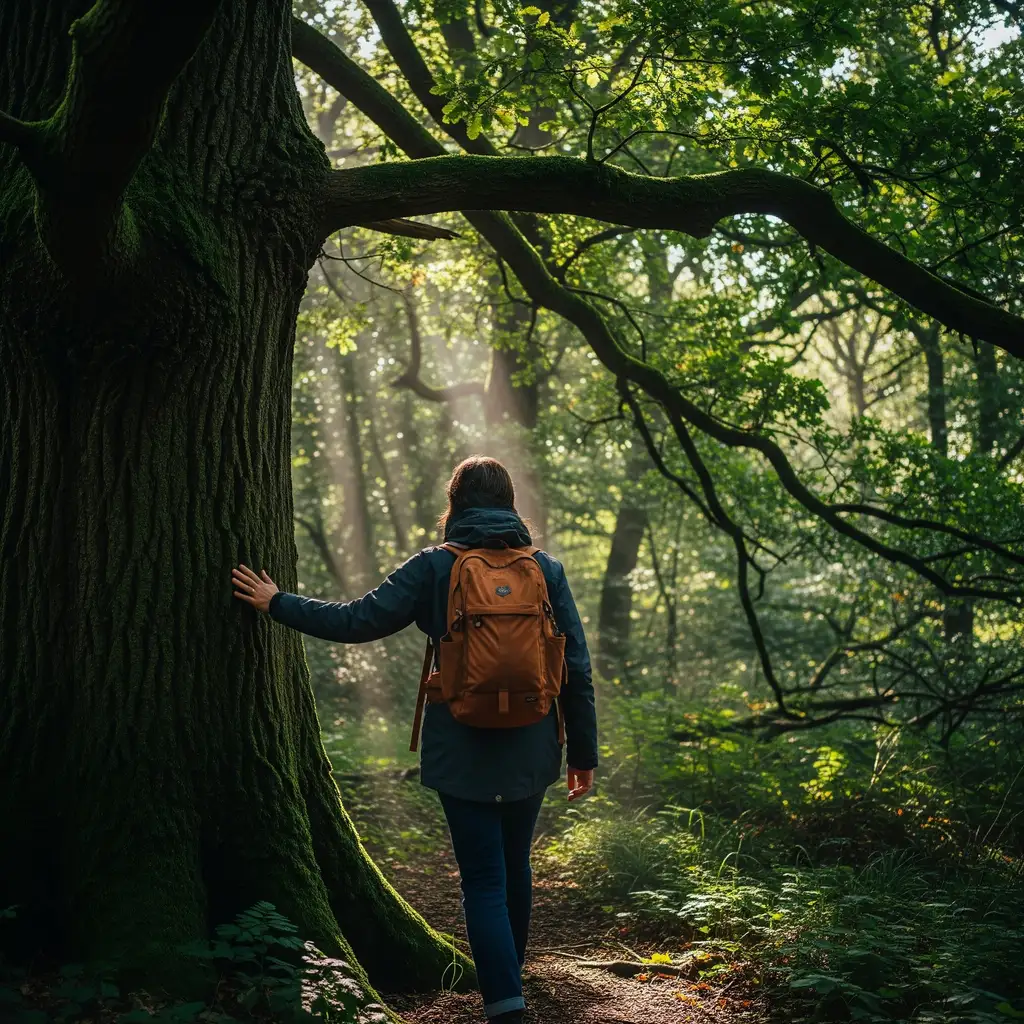
When I first started exploring ways to manage my weight beyond just calorie counting, I stumbled upon this concept called “biophilia.” It’s basically the idea that humans have an innate need to connect with nature and other living systems. It’s like we’re hardwired for it. When we’re disconnected from nature, especially in our modern, screen-filled lives, it can have a real impact on our mental and physical well-being. And when we’re not well, our bodies tend to hold onto things, including weight.
Think about it: when you’re feeling stressed, what’s your go-to? For me, it used to be comfort food, usually something I’d regret later. But I started noticing that when I’d force myself to take a walk in the park, even if I didn’t feel like it, the tension in my shoulders would ease up. My thoughts would quiet down. It wasn’t about burning a ton of calories; it was about hitting a mental reset button.
The Stress Buster You Might Be Overlooking
Stress is a huge player in weight management, and honestly, it’s a sneaky one. When you’re stressed, your body releases cortisol, a hormone that can signal your body to store more fat, especially around your midsection. It also messes with your hunger hormones, often leading to increased cravings for high-sugar, high-fat foods. Sound familiar?
A study published in Environmental Health Perspectives from the National Institute for Occupational Safety and Health found that spending time in nature can significantly reduce stress hormones and lower blood pressure. It’s not just a feeling; your body is actually calming down. I’ve found that even a short walk around the block, if there are trees and a bit of green space, can make a noticeable difference in my anxiety levels. It pulls me out of my own head and into the present moment.
Finding Your Outdoor Happy Place
You don’t need to be scaling mountains or backpacking through national parks to reap the benefits. It can be as simple as sitting on a park bench for 15 minutes, walking along a tree-lined street, or even tending to some houseplants. The key is to intentionally engage with natural elements. Notice the sounds of birds, the feel of the breeze, the texture of bark on a tree.
How Nature Lifts Your Mood
Beyond stress, nature has a remarkable ability to improve mood. Have you ever noticed how much better you feel after a hike or a visit to the beach? That’s not just a coincidence. Research from institutions like the University of Michigan has shown that spending time in nature can reduce rumination – that’s when you get stuck in a cycle of negative thoughts.
When you’re caught in a negative thought loop about your weight, your food choices, or anything else, it’s incredibly draining and can lead to more stress-eating. Getting outdoors can interrupt those patterns and help you feel more optimistic and energized. I’ve had days where I felt really down about myself, and a walk through my local woods, listening to the rustling leaves, has genuinely shifted my perspective. It’s like the natural world whispers, “Hey, it’s okay. You’re doing your best.”
The Mental Recharge
It’s not just about feeling happy; it’s about mental restoration. Our brains are constantly processing information, and that can lead to mental fatigue. Nature provides a different kind of stimulation that’s less demanding on our attention. Studies, like those conducted at the University of Illinois Urbana-Champaign, suggest that exposure to nature can improve cognitive functions, including attention and memory.
When your mind feels clearer and less bogged down by stress and negativity, you’re better equipped to make healthier choices. You’re less likely to reach for that sugary snack out of boredom or frustration.
Nature’s Subtle Influence on Physical Health
While we’re not directly talking about burning a million calories in the woods, the indirect effects of nature on our physical health are significant and can absolutely support weight management.
First, there’s the physical activity itself. Even a gentle walk in nature is movement. Regular, enjoyable movement is crucial for overall health and can contribute to a caloric deficit over time. The beauty of walking in nature is that it often doesn’t feel like a chore. You’re distracted by your surroundings, you’re breathing fresher air, and you’re less likely to be clock-watching.
Then there’s the impact on sleep. Poor sleep is notoriously linked to weight gain. It disrupts hormones that regulate appetite, leading to increased hunger and cravings. Spending time outdoors, especially in natural daylight, helps regulate your circadian rhythm, your body’s internal clock. Consistent, quality sleep is a cornerstone of good health and can make weight management feel so much more attainable. I’ve noticed that after spending a good chunk of time outside, I sleep so much more soundly.
The “Green” Prescription
There’s a growing movement, sometimes called “green prescribing,” where doctors are literally recommending time in nature to patients for a variety of health issues, including mental health and chronic disease management. This isn’t just a trendy idea; it’s rooted in solid research. The biophilia hypothesis suggests our connection to nature is vital for our health.
When you’re feeling good mentally and physically, you’re more likely to have the energy and motivation to prepare healthy meals, engage in physical activities you enjoy, and manage stress effectively. It creates a positive feedback loop. Prioritizing time in nature can therefore be a powerful, often overlooked, component of a holistic approach to well-being and weight management.
It’s not about finding a magic bullet, but about finding sustainable, enjoyable ways to support your body and mind. For me, it’s been about recognizing that feeling good and taking care of my mental state are just as important as what’s on my plate. And often, the simplest path to feeling better starts with just stepping out the door and breathing in the fresh air.
Sometimes the most profound changes don’t come from complicated plans or restrictive rules, but from simply remembering to connect with the world around us.