
I threw my scale in the trash last March. Not in a dramatic, Instagram-worthy moment — I just quietly unplugged it, put it in a garbage bag, and set it by the curb. It had been running my mornings for too long. Three digits on a screen deciding whether I’d have a good day or a terrible one, whether I’d eat lunch or punish myself by skipping it. Months later, I realized that little machine had been lying to me about something important.
This one-track mind about the scale can actually be counterproductive. Think about it: muscle weighs more than fat. If you’re working out, especially if you’re strength training, you might be building muscle. That’s a good thing! But the scale might not reflect that as a “loss,” even though you’re getting leaner and healthier. I’ve been there, getting frustrated because the scale barely moved, only to realize my pants were fitting looser, and I had more energy than I’d had in ages.
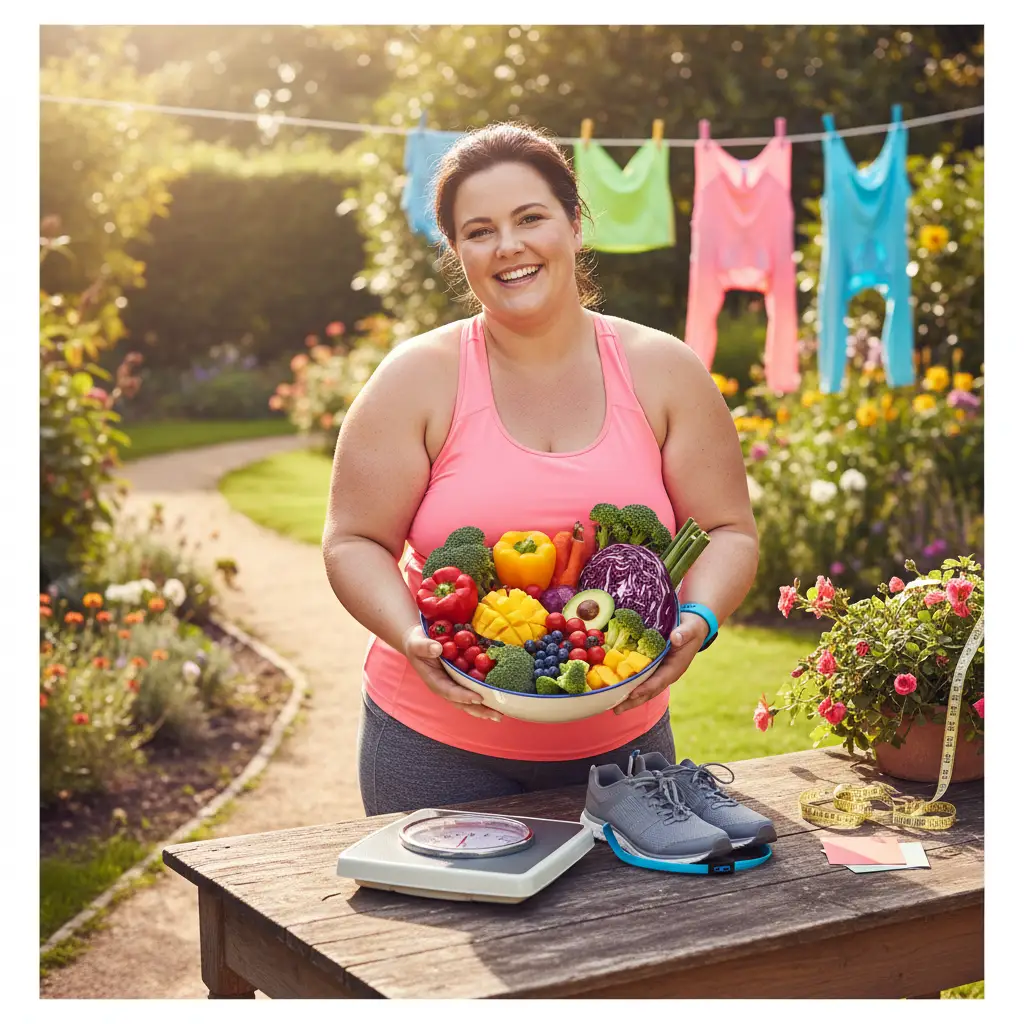
So, what if we looked beyond the numbers on the scale? What other ways can you actually see and feel your progress? I’ve found a few things that are way more encouraging and often more accurate than just weighing yourself. One of the biggest ones for me is how my clothes fit. It sounds super simple, but it’s so true. You might have days where the scale doesn’t move, but your favorite jeans suddenly aren’t digging in as much. Or that dress you love that used to be a bit snug now glides on smoothly. This isn’t just about losing weight; it’s about your body composition changing. You’re likely losing fat and gaining muscle, and your clothes will show that transformation.
Beyond just fit, taking measurements can be incredibly telling. Grab a soft tape measure and jot down a few key areas: your waist, hips, chest, and maybe your thighs and arms. Do this once a month, maybe on the same day you would have weighed yourself. You might see that your waist measurement is going down even if the scale number isn’t cooperating. According to research from institutions like the Mayo Clinic, waist circumference is a good indicator of abdominal fat, which is linked to various health risks. So, a shrinking waistline is a win, regardless of what the scale says.
Another thing I pay a lot more attention to now is my energy levels. This is huge. When I was eating poorly and not moving much, I felt perpetually drained. Now, even on days when the scale is being stubborn, I notice I have more sustained energy. I’m not hitting that mid-afternoon slump as hard. I feel more alert, I can focus better, and I just generally feel more vibrant. This boost in energy is a powerful sign that your body is becoming healthier, fueled by better nutrition and more activity. It’s a subjective measure, sure, but it’s one of the most rewarding indicators of progress for me personally.
Why the Scale Can Be a Deceiving Friend
Let’s get real about why relying only on the scale is a flawed strategy. First off, weight fluctuates daily. Seriously, what you ate yesterday, how much water you drank, your sleep quality, and even your stress levels can all impact that number. I’ve seen my weight jump a couple of pounds overnight for no apparent reason, only to drop back down the next day. It’s mostly water weight and normal bodily functions, but it can send you into a spiral of panic if you’re only looking at that one metric.
Beyond daily fluctuations, there’s the whole body composition thing we touched on. When you start exercising, especially strength training, you build muscle. Muscle is denser than fat. So, you might be losing inches and looking leaner, but the number on the scale might stay the same or even go up. A study published in the Journal of Strength and Conditioning Research has shown that resistance training can lead to increases in lean body mass. This is a positive change, but the scale won’t always tell you that.
Also, consider things like hormonal changes. For women, menstrual cycles can cause water retention, which can temporarily affect scale weight. Then there are other hormonal shifts that can influence how your body stores fat and water. It’s not about being a victim of your hormones, but understanding that these natural processes can create temporary blips on the scale that don’t represent actual fat loss.
And let’s not forget digestive health. What’s going on in your gut can also impact your weight. Bloating, constipation, or even just having a lot of undigested food in your system can add pounds to the scale. This isn’t fat loss; it’s just a reflection of what’s happening internally.
More Than Just Numbers: Other Ways to Track Your Wins
Since the scale can be so misleading, I’ve started actively looking for other ways to celebrate my progress. It’s about creating a more holistic view of my health journey.
How Your Clothes Feel
This is my absolute favorite non-scale victory. You know that feeling when you try on an outfit that felt tight a few weeks ago, and now it fits perfectly? Or even better, it’s a little loose? That’s a massive win! It means your body is changing. It means the hard work is paying off in a tangible way that you can see and feel. I keep a mental note, or sometimes even a physical note, of outfits that feel different. It’s a much more positive feedback loop than staring at a number.
Energy and Mood
I’ve already mentioned energy levels, but let’s really dive into this. How do you feel day-to-day? Are you generally more positive? Do you have more patience? Are you sleeping better? These are all indicators of improved health that the scale can’t measure. When I’m eating nourishing foods and moving my body consistently, my mood tends to be more stable. I don’t get as easily overwhelmed, and I generally feel more resilient. Your overall well-being is a critical measure of success. It’s not just about looking a certain way; it’s about feeling good in your skin and your mind.
Performance and Strength
If you’re exercising, how are you performing? Can you walk further without getting winded? Can you lift a bit more weight? Can you hold a plank for longer? These improvements in physical performance are direct results of your efforts. For example, a study from the University of Michigan found that improvements in cardiovascular fitness were not always directly correlated with scale weight loss, highlighting the importance of other performance metrics. Being able to do more, feel stronger, and have better endurance are fantastic signs of progress that the scale completely ignores.
Photos
Taking progress photos can be incredibly eye-opening. Once a month, take a few photos of yourself in the same lighting, wearing similar clothing. It can be hard to see changes day-to-day or even week-to-week because you see yourself in the mirror all the time. But when you compare photos from a month or two apart, you might be amazed at the subtle (or not-so-subtle) differences you notice. Seeing yourself change can be a powerful motivator, especially when the scale isn’t cooperating.
Sleep Quality
Believe it or not, better sleep is a huge sign of progress. When your body is getting the nutrients it needs and you’re managing stress better, your sleep often improves. You fall asleep faster, you stay asleep longer, and you wake up feeling more rested. Research from the National Sleep Foundation has consistently linked lifestyle factors, including diet and exercise, to sleep quality. If you’re noticing a difference in how well you sleep, that’s a significant health win.
Making Peace with the Scale (and Yourself)
It’s taken me a long time to get to a place where I don’t let the scale dictate my worth. The scale is just one tool, and frankly, it’s often a limited one. It doesn’t measure your health, your happiness, your strength, or your overall well-being. It only measures your mass at a specific moment.
So, my advice? Use the scale if it works for you, but don’t let it be your only guide. Embrace other metrics. Celebrate the smaller victories. Notice how your clothes fit, how much energy you have, how you’re sleeping, and how strong you feel. These are the things that truly matter in the long run, and they paint a much fuller, more encouraging picture of your journey.
It’s so easy to get caught up in the numbers game, isn’t it? But when you start to appreciate all the ways your body is getting healthier and stronger – the things you can feel and see beyond the bathroom scale – it really shifts your perspective. It’s about building a life you feel good in, not just fitting into a certain size.