
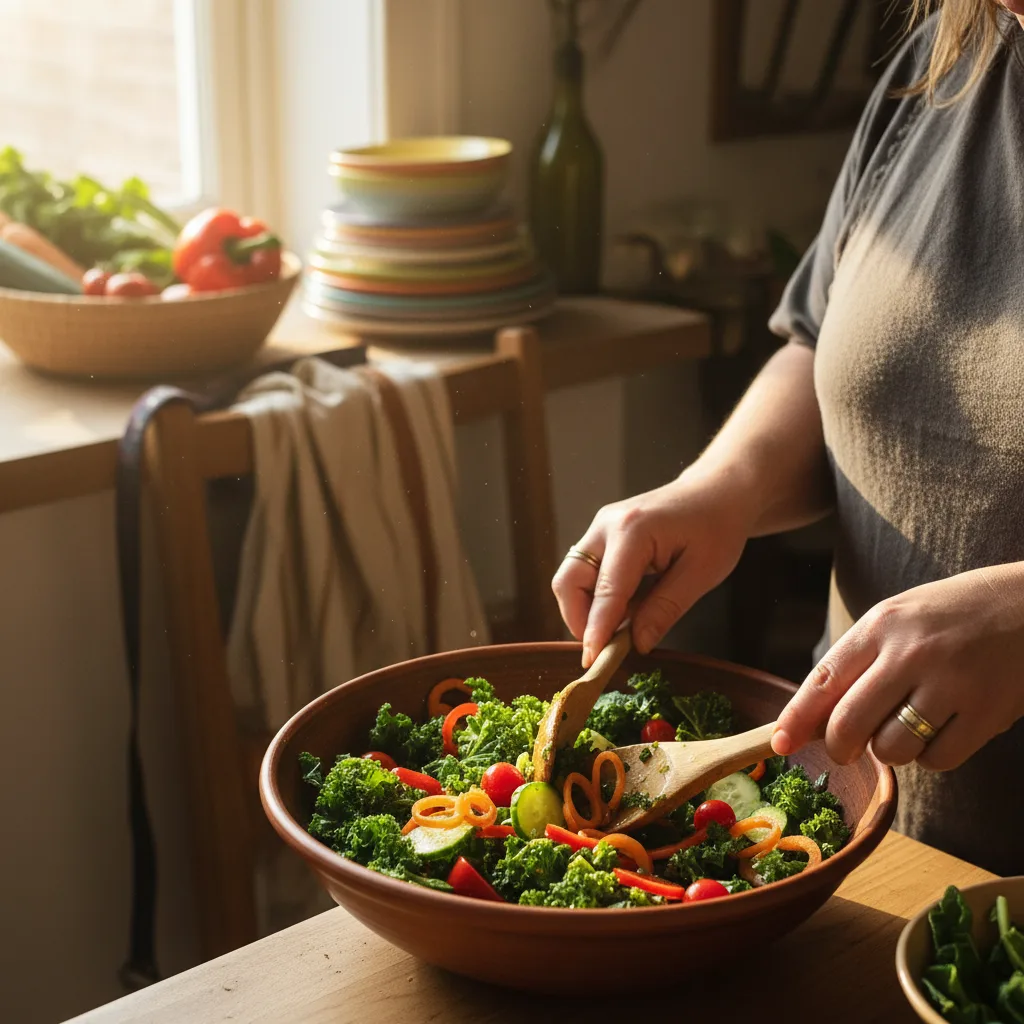
The math we were all sold is deceptively simple: if you remove the calories, you remove the consequences. For decades, the wellness industry leaned heavily into this narrative. We replaced whole milk with skim, butter with sprays, and our salad dressings with translucent, sugar-laden liquids that promised no fat and very little guilt. We viewed the oily shimmer on a leaf of kale as an adversary to our goals, a hidden trap that might undo our efforts at the gym. But as we peel back the layers of how our bodies actually function, we find that this fear of fat—especially in the context of our greens—has been working against our physiology.
When you sit down to a bowl of vibrant, crisp vegetables, your goal is to nourish yourself. You are seeking the fiber, the minerals, and the potent phytonutrients tucked inside those leaves. However, those nutrients are often locked behind a biological gate that only one key can open. The irony of the fat-free movement is that by stripping away the oil, we have been rendering our salads biologically inert. We’ve been treating the dressing as a condiment to be minimized, rather than a delivery vehicle for the very life force we hope to gain from our produce.
Why Your Body Needs Fat to Unlock Vegetable Nutrients
The human body is an extraordinary chemical processor, but it follows strict rules when it comes to digestion. Vitamins A, D, E, and K are fat-soluble. This means they are not water-soluble; they cannot be dissolved or transported through your system without the presence of dietary fat. If you consume a salad topped with nothing but lemon juice or a fat-free vinegar concoction, these critical vitamins remain trapped within the cellular structure of the plant matter. They pass through your digestive tract largely unabsorbed, leaving you with the roughage but missing the micronutrient density that your cells crave.
The importance of fat in this equation was elegantly demonstrated by researchers at Purdue University in a study focused on how different lipid levels affect the absorption of carotenoids—those powerful antioxidants responsible for the bright reds, oranges, and yellows in your vegetables. The researchers found that salads eaten with full-fat dressing led to significantly higher absorption of these compounds than those eaten with fat-free or reduced-fat dressings. In some cases, the difference was up to eight times higher. This isn’t just a minor fluctuation in efficiency; it is a fundamental shift in how your body utilizes the food you provide it. When you prioritize fat free dressing nutrient absorption over real-food fats, you are essentially asking your body to do the impossible.
Rethinking the Role of Oil in Your Salad Bowl
Moving toward a healthier relationship with food often means unlearning the restrictive habits that have been ingrained in us. When you choose a high-quality, oil-based dressing, you are changing the bioavailability of your meal. Extra virgin olive oil, for instance, provides not just the fats necessary to ferry carotenoids across the intestinal wall, but also a wealth of polyphenols that work in tandem with the vegetables.
A 2012 study published in the American Journal of Clinical Nutrition reinforced this, finding that the specific type and amount of fat significantly impacts the absorption of various nutrients from salads. The body is remarkably efficient at prioritizing the breakdown of these fats, and by tethering your nutrients to them, you ensure that the deep, cellular benefits of your diet are actually being delivered. Instead of viewing the tablespoon of oil as a calorie hurdle, try viewing it as a catalyst. It is the bridge between a bowl of raw ingredients and a meal that truly supports your metabolic health.
The Science of Bioavailability and Micronutrients
We often hear about “superfoods” and the need for more greens in our diet, but we rarely talk about the mechanics of intake. It isn’t just about what you eat; it is about what you can retain. When you consistently avoid fats, you might find yourself feeling hungrier sooner after a meal. This isn’t just a lack of caloric density—it is a lack of nutrient satisfaction. Your body has a way of sensing when it hasn’t successfully extracted the necessary fuel from a meal, often leading to cravings later in the day.
Furthermore, researchers at Iowa State University confirmed that the amount of fat in a dressing actually changes the absorption levels of carotenoids in a dose-dependent manner. This confirms that there is a sweet spot for fat intake that allows for maximum benefit. Trying to “save” calories by choosing a fat-free option ends up costing you the very nutrients that support energy levels, skin health, and immune function. By embracing a moderate, healthy amount of fat, you are effectively increasing the return on investment for every bite of produce you consume. It is a transition from counting calories to counting nourishment, a subtle change that yields profound results over time.
Key Takeaways
- Choosing fat-based dressings is essential because fat-soluble vitamins A, D, E, and K cannot be absorbed by the body without dietary fat.
- Research confirms that full-fat dressings can improve the absorption of carotenoids from vegetables by up to 8x compared to fat-free alternatives.
- Shifting your focus toward fat free dressing nutrient absorption awareness helps you prioritize the bioavailability of your food rather than just caloric restriction.
- High-quality oils, like extra virgin olive oil, provide both the necessary fats for nutrient transport and additional health-promoting polyphenols.
Frequently Asked Questions
Why is fat-free dressing less healthy for my salad?
Fat-free dressings lack the lipids necessary for your digestive system to absorb fat-soluble vitamins like A, D, E, and K. Without dietary fat present during digestion, these essential nutrients remain trapped in the plant fibers and are often excreted rather than utilized by your body. A high-quality oil-based dressing acts as a vital carrier, ensuring you gain the actual nutritional value from the produce you eat.
How much fat should I add to my salad for better absorption?
While individual needs vary, studies suggest that even a moderate amount of healthy fat, such as one to two tablespoons of extra virgin olive oil, is sufficient to significantly enhance the absorption of carotenoids and other antioxidants. You do not need an excessive amount; rather, you need a consistent enough presence of fat to accompany the vegetables in your digestive tract to facilitate the transport of these nutrients.
Can I use nuts or seeds instead of oil in my salad dressing?
Yes, incorporating nuts, seeds, or even avocado into your salad provides the necessary dietary fat to aid nutrient absorption. These whole-food sources offer healthy fats, fiber, and protein. Whether you use a vinaigrette made with heart-healthy oils or top your salad with sunflower seeds, walnuts, or sliced avocado, you are providing the fat needed to unlock the fat-soluble vitamins and antioxidants found in your greens.
Will adding oil to my salad cause weight gain?
Adding a reasonable amount of healthy fat to your salad is unlikely to cause weight gain and may actually support your health goals by increasing satiety. When you feel more satisfied after a meal, you are less likely to experience intense cravings or overeat later. Focusing on nutrient density ensures your body is getting what it needs, which is a foundational step in maintaining a healthy, sustainable weight.
What are the best oils to use for a homemade dressing?
Extra virgin olive oil is often considered the gold standard for salad dressings due to its monounsaturated fat content and its rich supply of polyphenols, which provide additional antioxidant benefits. Other great options include avocado oil for a neutral flavor, or flaxseed oil if you are looking for a plant-based source of omega-3 fatty acids. Always look for cold-pressed, high-quality oils to ensure you are getting the best nutritional profile possible.