
For many of us, the journey toward sustainable weight loss isn’t just about main meals. It’s also about what we reach for between breakfast and lunch, or when that late-afternoon slump hits. The snack aisle can feel like a minefield, packed with tempting treats that promise satisfaction but often deliver more calories and fewer nutrients than we’d hoped. But what if I told you there are genuinely good options out there? Finding the best packaged snacks for weight loss is absolutely achievable with a little know-how. It’s about making informed choices that fuel your body, keep you feeling full, and align with your long-term health and weight management goals.
This isn’t about deprivation or sticking to bland, boring options. It’s about smart swaps and understanding what to look for. The key is to choose snacks that offer a good balance of protein, fiber, and healthy fats. These components are your allies in weight loss because they slow digestion, stabilize blood sugar, and promote satiety, helping to curb cravings and prevent overeating at your next meal.
Think of packaged snacks as a helpful tool in your wellness arsenal, not as a crutch. When you’re on the go, traveling, or simply need a convenient option, having a few reliable, healthy choices readily available can make all the difference. It means you’re less likely to grab something less healthy out of sheer convenience or hunger. We’ll dive into what makes a snack truly “good” for weight loss and then explore some of my favorite categories and specific examples that consistently deliver.
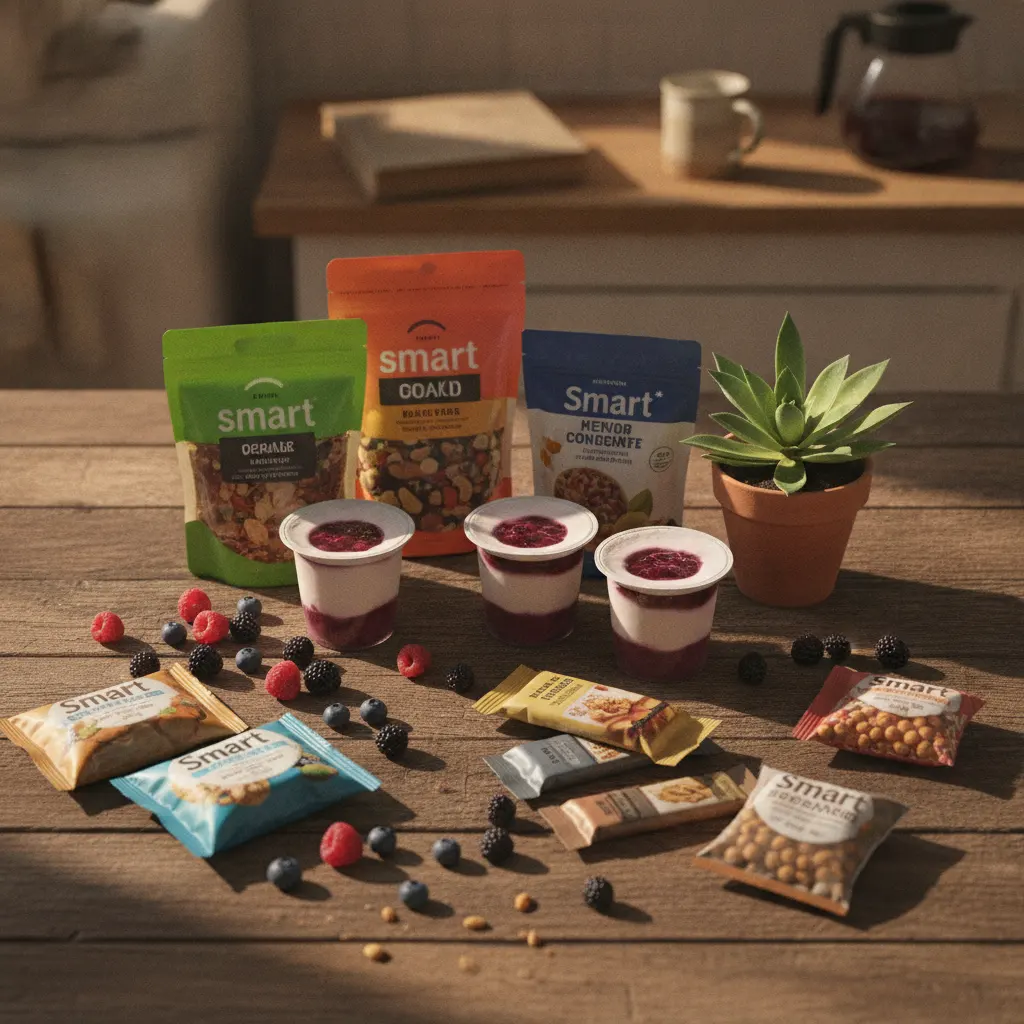
This article is part of the same work-life weight loss cluster as healthy soups for weight loss to buy, because long schedules often create the same practical barriers: irregular meals, decision fatigue, skipped movement, and stress-driven snacking.
Best Packaged Snacks for Weight Loss
Understanding the “Why” Behind Smart Snacking
Before we get to the “what,” let’s quickly touch on the “why” behind incorporating smart snacks into a weight loss plan. When we reduce our overall calorie intake for weight loss, it’s common to experience periods of hunger or energy dips. Strategic snacking can help bridge these gaps, preventing extreme hunger that can lead to poor food choices and overconsumption later.
The science is clear: snacks that are high in protein and fiber are particularly effective for weight management. Protein takes longer to digest and helps increase feelings of fullness, while fiber adds bulk to your diet and also contributes to satiety. A study published in the Journal of the Academy of Nutrition and Dietetics highlighted how protein-rich snacks can help control appetite and improve metabolic markers [1]. Similarly, research in the journal Nutrients has consistently shown the role of dietary fiber in weight management and metabolic health [2].
Furthermore, consistent meal and snack timing can help regulate your body’s hunger hormones, such as ghrelin and leptin. This hormonal balance can make sticking to a calorie deficit feel more manageable and less like a constant battle against your own body. So, a well-chosen snack isn’t a setback; it’s a strategic move to keep your weight loss efforts on track.
Decoding the Nutrition Label: Your Weight Loss Compass
Navigating the grocery store for the best packaged snacks for weight loss requires a bit of label literacy. Don’t let the front of the package fool you with claims like “low fat” or “all natural.” It’s the nutrition facts panel that tells the real story. Here’s what to look for:
- Calorie Count: While not the only factor, be mindful of the calorie density. For weight loss, aiming for snacks in the 100-200 calorie range is generally a good starting point, but this can vary based on your individual needs and daily calorie targets.
- Protein: As mentioned, protein is a superstar for satiety. Look for snacks that offer at least 5 grams of protein per serving.
- Fiber: Aim for snacks with at least 3 grams of fiber. This will help you feel fuller for longer and aid in digestion.
- Sugar: Be wary of added sugars. Excessive sugar intake can lead to energy crashes and hinder weight loss. Check the “Added Sugars” line. Ideally, it should be as close to zero as possible for a snack.
- Sodium: High sodium content can lead to water retention, which might mask actual fat loss on the scale. While some sodium is necessary, excessive amounts can be detrimental.
- Ingredients List: Shorter ingredient lists are often a good sign. Look for recognizable, whole-food ingredients and avoid those with a long string of chemicals or artificial additives you can’t pronounce.
Understanding these components empowers you to make informed choices, transforming the often-overwhelming snack aisle into a manageable landscape of nutritious options.
The Powerhouses: High-Protein Packaged Snacks
Protein is arguably the most crucial macronutrient when it comes to feeling full and satisfied, making high-protein packaged snacks a top contender for the best packaged snacks for weight loss. These options help curb cravings and provide sustained energy, preventing you from reaching for less healthy alternatives.
- Greek Yogurt Cups: Plain, unsweetened Greek yogurt is a protein powerhouse. A standard 5.3-ounce cup can provide 15-20 grams of protein. Opt for plain varieties and add your own berries or a sprinkle of nuts for natural sweetness and added fiber. Watch out for flavored versions, which can be loaded with sugar.
- Jerky (Beef, Turkey, or Plant-Based): Look for jerky that is low in sodium and sugar. It’s a convenient, portable source of protein. A 1-ounce serving can offer around 9-10 grams of protein. Be mindful of portion sizes, as it’s easy to overconsume.
- Hard-Boiled Eggs: While you might need to prepare these yourself, many stores offer pre-packaged hard-boiled eggs. They are an excellent source of complete protein and are naturally portion-controlled. Two large eggs provide about 12 grams of protein.
- Edamame (Shelled or in Pods): Steamed edamame is a fantastic plant-based protein option. It also provides fiber. You can find them in the frozen section and often in pre-portioned snack packs. A half-cup serving offers about 9 grams of protein and 8 grams of fiber.
- Cottage Cheese Cups: Similar to Greek yogurt, cottage cheese is rich in protein. Choose low-fat or non-fat varieties. A half-cup serving can contain around 12-14 grams of protein. Again, plain is best; add your own fruit for flavor.
These protein-packed choices are your allies in managing hunger and maintaining muscle mass while you’re focused on weight loss.
Fiber Friends: Snacks That Keep You Full
Fiber is your other best friend on a weight loss journey. It adds bulk to your meals, promotes regularity, and, most importantly, helps you feel fuller for longer. Incorporating fiber-rich packaged snacks can significantly reduce the urge to overeat and can be a vital part of your strategy for finding the best packaged snacks for weight loss.
- Nuts and Seeds (Portion-Controlled): Almonds, walnuts, pistachios, pumpkin seeds, and sunflower seeds are great sources of fiber and healthy fats. However, they are calorie-dense, so portion control is key. Look for single-serving packs or pre-portion them yourself into small baggies. A 1-ounce serving of almonds, for example, offers about 3.5 grams of fiber.
- Whole-Grain Crackers with Nut Butter: Choose crackers made from 100% whole grains. Look for options with at least 3 grams of fiber per serving. Pair them with a natural nut butter (like peanut or almond butter) for added protein and healthy fats. Check the nut butter label for minimal added sugar and oils.
- Popcorn (Air-Popped or Lightly Salted): Air-popped popcorn is a whole grain and an excellent source of fiber. A 3-cup serving of air-popped popcorn contains about 3.5 grams of fiber and is relatively low in calories. Steer clear of microwave popcorn that is loaded with butter, salt, and artificial flavors.
- Fruit Bars (with Caution): Some fruit bars can be high in sugar and low in fiber. Look for bars that specifically list whole fruits and grains, and check that the fiber content is decent (3 grams or more) and the added sugar is minimal. Dried fruit can be concentrated in sugar, so moderation is key.
- Veggie Sticks with Hummus (Pre-Packaged): Many brands offer convenient packs of pre-cut vegetables like carrots, celery, and bell peppers, often paired with individual servings of hummus. Hummus, made from chickpeas, provides fiber and some protein, and the vegetables add even more fiber and essential nutrients. A typical single-serve hummus cup offers about 2-3 grams of fiber.
These fiber-focused snacks are champions at keeping hunger at bay and supporting a healthy digestive system, which are critical components of sustainable weight loss.
Smart Swaps: Healthier Alternatives to Traditional Treats
Sometimes, the craving isn’t for sustenance but for a treat. Fortunately, you don’t have to completely deprive yourself. Smart swaps can satisfy your sweet tooth or crunchy cravings while still supporting your weight loss goals. Finding these best packaged snacks for weight loss means looking for options that offer similar satisfaction with a better nutritional profile.
- Dark Chocolate (70% Cacao or Higher): A small square or two of dark chocolate can satisfy a chocolate craving and offers antioxidants. Look for options with 70% cacao or higher, which typically have less sugar and more beneficial compounds than milk chocolate.
- Rice Cakes with Toppings: Plain rice cakes are low in calories and can be a crunchy base for healthier toppings. Top them with a thin layer of natural nut butter, mashed avocado, or even a smear of plain Greek yogurt and a few berries.
- Fruit Leather (Look for 100% Fruit): Similar to fruit bars, look for fruit leathers made from 100% real fruit with no added sugars or artificial ingredients. They offer natural sweetness and some fiber, but be mindful of portion sizes due to concentrated natural sugars.
- Baked Veggie Chips (Not Fried): While potato chips are a no-go, some brands offer baked vegetable chips (like sweet potato, beet, or kale chips). Read the labels carefully, looking for minimal added oil, sodium, and no artificial ingredients. These can offer a satisfying crunch.
- Fruit and Nut Snack Bars: When choosing these, prioritize bars that are made with whole fruits, nuts, and seeds, and contain minimal added sugars. Some bars are essentially candy bars in disguise. Aim for bars that list nuts or seeds as the first ingredient and have a decent fiber content.
These healthier alternatives allow you to indulge your cravings mindfully, preventing the feeling of deprivation that can often derail weight loss efforts.
Hydration and Health: Water and Beyond
Sometimes, what feels like hunger is actually thirst. Staying adequately hydrated is crucial for overall health and can play a surprisingly significant role in weight management. While not a “packaged snack” in the traditional sense, having portable, healthy beverage options is essential.
- Bottled Water: The ultimate zero-calorie, essential beverage. Keep a reusable water bottle with you at all times.
- Sparkling Water (Unsweetened): If you crave carbonation, unsweetened sparkling water is a great choice. You can add a squeeze of lemon, lime, or a few berries for flavor.
- Herbal Teas (Unsweetened): Many herbal teas are caffeine-free and can be enjoyed hot or cold. They offer a variety of flavors and can be very soothing. Consider varieties like peppermint or ginger, which can aid digestion.
Remember to also consider incorporating a warm, comforting meal into your day. Exploring options like healthy soups for weight loss to buy can be a satisfying and nutrient-dense way to stay on track, offering a filling meal that’s often lower in calories than other main dishes.
Practical Tips for Success
- Portion Control is Key: Even healthy snacks can contribute to excess calorie intake if eaten in large quantities. Use small bowls, bags, or pre-portioned packages.
- Plan Ahead: Don’t wait until hunger strikes to figure out what to eat. Keep a stash of healthy, packaged snacks at your desk, in your car, or in your gym bag.
- Read Labels Every Time: Brands and formulations can change. Make it a habit to check the nutrition label and ingredients list before purchasing.
- Listen to Your Body: Not every snack is right for everyone. Pay attention to how different snacks make you feel. Do they keep you full? Do they trigger cravings?
- Variety is the Spice of Life: Don’t get stuck eating the same thing every day. Rotate through different types of healthy snacks to keep things interesting and ensure you’re getting a range of nutrients.
By being mindful of what you choose and how much you consume, you can confidently navigate the packaged snack options available and make choices that truly support your weight loss journey.
Key Takeaways
- The best packaged snacks for weight loss are rich in protein and fiber to promote satiety and manage hunger.
- Always read nutrition labels, focusing on calorie count, protein, fiber, added sugars, and sodium.
- High-protein options like Greek yogurt, jerky, and edamame are excellent choices.
- Fiber-rich snacks such as nuts, seeds, whole-grain crackers, and air-popped popcorn help you feel fuller for longer.
- Smart swaps like dark chocolate and baked veggie chips can satisfy cravings healthily.
- Hydration with water and unsweetened sparkling beverages is crucial.
- Portion control, planning ahead, and listening to your body are essential for successful snacking.
Packaged snacks get easier to judge when you use the FDA Nutrition Facts label guide, the Dietary Guidelines for Americans, and the USDA MyPlate protein foods guide as a simple filter.
More Guides in This Cluster
Use these related guides to cover the same weight-loss problem from a practical angle:
- Start with the main guide: healthy soups for weight loss to buy
- best canned foods for weight loss
- best frozen meals for weight loss and low sodium
- healthy canned soup for weight loss
Frequently Asked Questions
Q1: What are the most important nutrients to look for in a packaged snack for weight loss?
The most important nutrients to focus on are protein and fiber. Protein helps you feel full and satisfied, while fiber adds bulk, aids digestion, and also contributes to satiety. Aim for snacks that provide at least 5 grams of protein and 3 grams of fiber per serving.
Q2: Are all “low-fat” snacks good for weight loss?
Not necessarily. While reduced fat can lower calories, sometimes manufacturers compensate by adding more sugar to improve taste. It’s crucial to look at the entire nutrition panel, paying attention to sugar and overall calorie content, not just the fat percentage.
Q3: How can I avoid buying snacks that are secretly high in sugar?
Always check the “Added Sugars” line on the nutrition facts panel. Ideally, this number should be as close to zero as possible for a snack. Also, scan the ingredients list for sugar in its various forms (e.g., corn syrup, fructose, sucrose).
Q4: Can I eat nuts as a snack for weight loss?
Yes, nuts can be a great snack for weight loss due to their healthy fats, protein, and fiber content. However, they are calorie-dense, so portion control is absolutely essential. Stick to about a 1-ounce serving, which is roughly a small handful.
Q5: What’s the difference between whole-grain crackers and regular crackers for weight loss?
Whole-grain crackers are made from the entire grain kernel, meaning they retain more fiber, vitamins, and minerals. This higher fiber content helps with satiety and blood sugar control compared to refined-grain crackers, making them a much better choice for weight loss.
References:
[1] Pasiakos, S. M., et al. (2015). The Effects of Protein Supplementation on Body Composition and Strength in Untrained Adults. Journal of the Academy of Nutrition and Dietetics, 115(3), 473-479.
[2] Slavin, J. L., & Lloyd, B. (2012). Health Benefits of Fruits and Vegetables. Advances in Nutrition, 3(4), 506-516.
[3] US Department of Health and Human Services. (2020). Dietary Guidelines for Americans, 2020-2025. Retrieved from https://www.dietaryguidelines.gov/