
Embarking on a weight loss journey can feel overwhelming, with so many strategies and pieces of advice floating around. It’s easy to get caught up in complex routines, but sometimes, the most effective changes are the simplest ones. One such habit that has gained significant traction for its accessibility and effectiveness is walking after dinner. If you’re curious about the tangible walking after dinner weight loss results you can expect and how to integrate this practice into your life sustainably, you’ve come to the right place. This isn’t about quick fixes or magic potions; it’s about building a healthy habit that supports your long-term well-being and helps you achieve lasting weight loss.
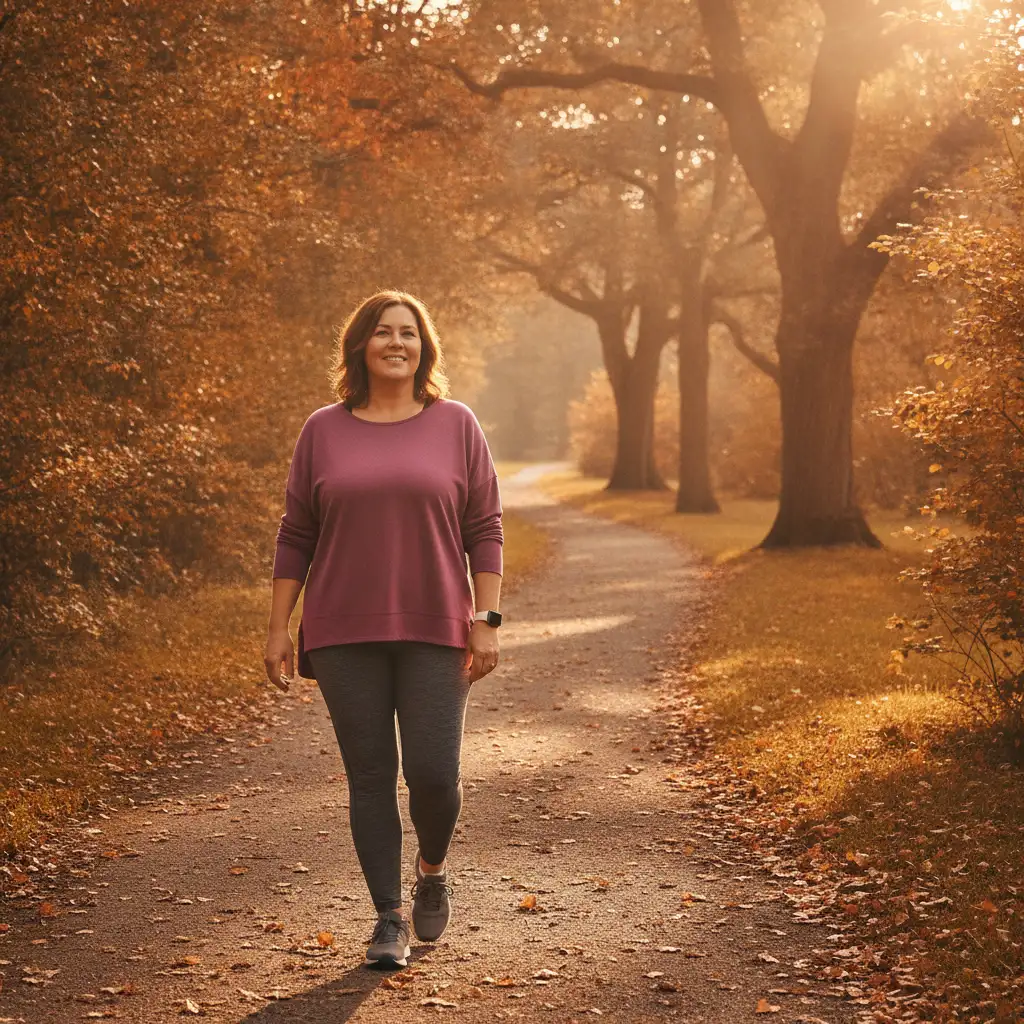
This article is part of the same work-life weight loss cluster as walking for weight loss plan free, because long schedules often create the same practical barriers: irregular meals, decision fatigue, skipped movement, and stress-driven snacking.
The Science Behind the Post-Meal Stroll
Before diving into specific results and tips, let’s understand why a post-dinner walk can be so beneficial for weight management. When you consume food, your body uses energy to digest it. Engaging in light to moderate physical activity shortly after eating can tap into some of those calories. More importantly, walking, especially at a brisk pace, burns calories directly. The cumulative effect of burning even a few hundred extra calories a day through consistent walking can make a noticeable difference over time. Studies have indicated that post-meal walks can help improve glycemic control, which indirectly aids weight loss by managing appetite and energy levels 1.
Furthermore, walking after a meal can help regulate blood sugar levels. After eating, especially meals rich in carbohydrates, blood sugar levels naturally rise. A gentle walk can help your muscles use up some of this glucose for energy, preventing sharp spikes and subsequent crashes, which can often trigger cravings for unhealthy snacks. This effect contributes to better appetite control and can reduce the likelihood of late-night snacking, a common pitfall for many seeking walking after dinner weight loss results.
The impact on digestion is also noteworthy. A leisurely stroll can stimulate the digestive system, promoting better nutrient absorption and potentially easing issues like bloating or indigestion. While not directly a weight loss mechanism, improved digestive health contributes to overall well-being, making it easier to stick to healthier eating patterns. This simple activity can also positively influence your mood and reduce stress, making it easier to make healthier choices throughout the day.
Understanding Realistic Walking After Dinner Weight Loss Results
When people search for walking after dinner weight loss results, they’re often looking for concrete numbers and timelines. It’s important to set realistic expectations. Sustainable weight loss is typically considered to be 1-2 pounds per week. Incorporating a daily post-dinner walk can certainly contribute to this, but it’s not the sole determinant.
The actual walking after dinner weight loss results will vary significantly based on several factors:
- Duration and Intensity: A 15-minute slow amble will yield different results than a 45-minute brisk walk. The longer and more vigorous your walk, the more calories you will burn. Aim for a pace that elevates your heart rate slightly but still allows you to hold a conversation.
- Diet: Exercise is crucial, but diet plays the most significant role in weight loss. A walk won’t undo the effects of consistently overeating or making poor food choices. Focusing on a balanced, nutrient-dense diet is paramount.
- Metabolism and Body Composition: Individual metabolic rates and muscle mass influence how many calories you burn at rest and during activity. People with higher muscle mass tend to burn more calories.
- Consistency: Sporadic walks will have less impact than a consistent, daily habit. The body benefits from routine, and regularity helps in building momentum.
- Overall Activity Level: If your day is otherwise sedentary, the impact of a single walk will be greater than if you’re already active. Adding a walk to an already active lifestyle provides a more significant boost.
While there isn’t a universal figure for how much weight you’ll lose solely from walking after dinner, incorporating it as part of a balanced lifestyle can certainly accelerate progress. Think of it as an empowering addition to your routine, not a magic bullet. The key is to view it as a sustainable lifestyle change rather than a temporary fix.
Maximizing Calorie Burn with Your Post-Dinner Walk
To truly leverage the calorie-burning potential of your post-dinner stroll, consider how you can increase its effectiveness. While a leisurely walk is beneficial, a slightly more vigorous pace can significantly amplify the walking after dinner weight loss results. Aim for a brisk walk where you feel your heart rate has increased, and you’re breathing more deeply, but you can still speak in short sentences. This intensity level is often referred to as moderate-intensity exercise.
Incorporating inclines or varied terrain can also add an extra challenge. Walking up hills or on uneven surfaces engages more muscles and requires more energy. If you live in a hilly area, utilize those natural challenges. If not, look for parks or trails that offer some elevation changes. Even walking up and down stairs for a few minutes can contribute to a more effective workout. Research from institutions like the Centers for Disease Control and Prevention (CDC) emphasizes that moderate-intensity aerobic activity, like brisk walking, is crucial for overall health and weight management 2.
Consider interval training during your walk. This involves alternating between periods of higher intensity (faster pace or steeper incline) and periods of lower intensity (slower pace or flatter ground). For example, you might walk briskly for two minutes, then at a moderate pace for one minute, repeating this cycle throughout your walk. This method can boost your metabolism and continue to burn calories even after you’ve finished walking. Remember, consistency is key; even a moderately intense 20-30 minute walk most evenings can yield significant benefits over time.
Making Walking After Dinner a Sustainable Habit
The key to achieving lasting walking after dinner weight loss results is making the habit stick. Here’s how to set yourself up for success and ensure your post-dinner walk becomes a natural part of your routine:
Start Small and Build Gradually
Don’t aim for an hour-long trek on your first night. Begin with a 10-15 minute walk. The goal is consistency, not immediate intensity. As you get comfortable, gradually increase the duration by 5-10 minutes each week. This progressive approach prevents burnout and makes the habit feel manageable. Celebrating small victories, like completing your scheduled walk for the week, can also boost motivation.
Find Your “Why”
Connect your walk to a larger purpose. Is it to improve your energy levels, enjoy the evening air, spend quality time with loved ones, or simply feel more in control of your health? Having a strong “why” can be a powerful motivator when willpower starts to wane. Write it down and keep it somewhere visible.
Make it Enjoyable
Listen to podcasts, audiobooks, or your favorite music. Walk with a friend, family member, or pet. Explore new routes in your neighborhood or local parks. If it feels like a chore, it will be harder to maintain. Turn your walk into a mindful experience, appreciating the sights and sounds around you.
Prepare for It
Reduce the friction to starting your walk. Lay out your walking clothes the night before. Keep comfortable walking shoes by the door. Having everything ready to go can make the difference between going for your walk and skipping it.
Be Flexible
Life happens. Some nights, you might be too tired, have a late work meeting, or face unexpected events. Don’t let one missed walk derail your entire effort. Acknowledge it, and get back on track the next day. The goal is progress, not perfection. A missed walk is just a minor detour, not a dead end.
Integrating Walking into Your Overall Weight Loss Plan
Walking after dinner is a fantastic standalone activity, but its true power for weight loss is unlocked when integrated into a comprehensive plan. This includes mindful eating, adequate sleep, and other forms of physical activity. If you’re looking for a structured approach to incorporating walking into your broader health goals, exploring a dedicated walking for weight loss plan free can provide valuable guidance. Such plans often offer insights into pacing, warm-ups, cool-downs, and how to progressively challenge yourself to maximize the benefits of your walking routine.
A balanced weight loss strategy recognizes that different types of movement serve different purposes. While walking after dinner focuses on leveraging post-meal energy and aiding digestion, other activities might focus on building strength, improving cardiovascular health, or increasing overall calorie expenditure. The key is finding a combination that you enjoy and can sustain long-term. This holistic approach ensures you’re addressing all facets of health and fitness, leading to more sustainable and comprehensive results.
Addressing Common Challenges
Even with the best intentions, challenges can arise when trying to build the habit of walking after dinner. Here are some common ones and how to navigate them:
The “Too Tired” Syndrome
This is perhaps the most frequent hurdle. After a long day, the couch can seem infinitely more appealing than a walk.
- Solution: Reframe the walk as an energy booster, not a drain. Many people find that a gentle walk actually energizes them more than resting. If you’re truly exhausted, a shorter, slower walk is better than no walk at all. Consider a 10-minute “reset” walk to clear your head and get some fresh air. Sometimes, just putting on your shoes is the hardest part.
Unpredictable Evening Schedules
Work, family commitments, and social events can disrupt even the best-laid plans for an evening walk.
- Solution: Be adaptable. If a full 30-minute walk isn’t feasible, can you manage 15? Can you break it into two shorter walks, perhaps one before dinner and one after? Sometimes, a quick walk around the block is all that’s needed to maintain consistency and signal to your body that you’re still committed to the habit.
Weather Woes
Rain, snow, or extreme heat can make outdoor walks unappealing and even unsafe.
- Solution: Have a backup plan. This could be an indoor workout routine, using stairs in your home, or investing in a treadmill or walking pad if feasible. Many gyms also offer indoor walking tracks that provide a safe and climate-controlled environment for your exercise.
Lack of Motivation
Motivation can ebb and flow. What happens when you just don’t feel like going for your walk?
- Solution: Focus on discipline rather than motivation. Motivation is fleeting; discipline is about doing it even when you don’t feel like it. Remind yourself of your goals and the positive walking after dinner weight loss results you’re working towards. Partnering with a friend can also provide accountability and make the experience more enjoyable.
The Broader Impact on Health and Well-being Beyond Weight Loss
Beyond the direct impact on walking after dinner weight loss results, this simple habit offers a cascade of other health benefits that contribute to a healthier, happier you. These are often the unsung heroes of regular physical activity:
Improved Cardiovascular Health
Regular walking strengthens your heart and lungs, improving circulation and reducing the risk of heart disease and stroke. This is a foundational benefit of any aerobic exercise. Walking helps lower blood pressure and improve cholesterol levels, contributing to a healthier heart over time 3.
Enhanced Mood and Mental Clarity
Physical activity releases endorphins, which have mood-boosting effects. A walk can be a great way to de-stress, clear your head, and improve mental focus. It provides a much-needed break from daily pressures and can help combat feelings of anxiety and depression.
Better Sleep Quality
Consistent physical activity can help regulate your sleep-wake cycle, leading to more restful sleep. However, avoid very strenuous walks too close to bedtime, as they might have the opposite effect for some individuals. A gentle walk after dinner can be a perfect wind-down activity.
Increased Energy Levels
While it might seem counterintuitive, expending energy through walking can actually increase your overall energy levels throughout the day. By improving circulation and oxygen flow, your body becomes more efficient at delivering energy where it’s needed.
Stronger Bones and Muscles
Walking is a weight-bearing exercise that helps maintain bone density and strengthens leg and core muscles. This is particularly important as we age to prevent conditions like osteoporosis and maintain mobility and balance.
Making the Most of Your Post-Dinner Walk
To maximize the benefits and contribute positively to your walking after dinner weight loss results, consider these practical tips:
- Hydration: Drink a glass of water before and after your walk, especially in warmer weather. Staying hydrated is essential for overall health and physical performance.
- Footwear: Wear comfortable, supportive shoes to prevent blisters and injuries. Invest in a good pair of walking shoes that fit well and provide adequate cushioning.
- Posture: Walk tall with your shoulders back and your core engaged. Good posture not only looks better but also engages your core muscles and allows for more efficient breathing.
- Breathing: Breathe deeply through your nose and exhale through your mouth. This helps you maximize oxygen intake and can contribute to a more relaxed state.
- Mindfulness: Pay attention to your surroundings, your breath, and how your body feels. This can turn a simple walk into a moving meditation, enhancing both physical and mental well-being.
- Listen to Your Body: If you feel any pain, stop and rest. It’s better to take a break than to push through an injury. Your body will thank you for it in the long run.
More Guides in This Cluster
Use these related guides to cover the same weight-loss problem from a practical angle:
- Start with the main guide: walking for weight loss plan free
- brisk walking after dinner weight loss
- walking after breakfast weight loss
- walking after every meal weight loss
Key Takeaways
- Walking after dinner is an accessible and effective habit for supporting sustainable weight loss.
- The primary benefits stem from calorie expenditure, improved blood sugar regulation, and better appetite control.
- Realistic walking after dinner weight loss results depend on duration, intensity, diet, and consistency.
- Making the habit sustainable involves starting small, finding enjoyment, preparing, and being flexible.
- Integrating walking into a comprehensive weight loss plan, including diet and other exercises, is key for optimal outcomes.
- Beyond weight loss, walking offers significant benefits for cardiovascular health, mood, sleep, and energy levels.
Frequently Asked Questions
Q1: How long should I walk after dinner for weight loss?
A1: Start with 10-15 minutes of light to moderate walking and gradually increase the duration as you feel comfortable. Consistency is more important than length, especially in the beginning. Aim to eventually build up to 30 minutes or more most days of the week for optimal benefits.
Q2: Can walking after dinner alone help me lose weight?
A2: While walking after dinner can contribute to weight loss, it’s most effective when combined with a balanced, calorie-controlled diet. It’s a powerful tool as part of a larger healthy lifestyle, but it’s unlikely to lead to significant weight loss on its own without dietary adjustments.
Q3: What if I have digestive issues? Is walking after dinner still a good idea?
A3: For many, a gentle walk after a meal can actually aid digestion and alleviate discomfort like bloating. However, if you have specific medical conditions or experience significant discomfort after eating, it’s always best to consult with your doctor before starting any new exercise routine, including post-dinner walks.
Q4: How quickly can I expect to see walking after dinner weight loss results?
A4: Sustainable weight loss takes time and consistency. You might notice initial benefits like improved digestion and mood within weeks. Significant weight loss results will typically be seen over months of consistent effort combined with dietary changes. Progress is gradual, so be patient with yourself.
Q5: What is the best time to walk after dinner?
A5: Aim for 1-2 hours after finishing your meal. This allows your body some time to begin the digestive process. Walking too soon after eating can sometimes lead to discomfort or indigestion for some individuals. Giving your body a little time to settle is generally recommended.