
Hello there! It’s Sophia here, and if you’re a woman navigating the often-bumpy road to sustainable weight loss, I’m so glad you’ve found your way here. We all want to feel our best, have more energy, and reach a weight that feels good in our bodies, right? And sometimes, the simplest strategies can make the biggest difference. Today, I want to talk about one of my absolute favorite, no-fuss, highly effective tools for healthy weight management: walking after breakfast weight loss.
It sounds almost too good to be true – just a little stroll after your morning meal could be a powerful ally in your weight loss journey. But the science behind it is compelling, and the practical benefits are undeniable. Forget the complicated diets and grueling workouts that leave you feeling drained. Let’s explore how this simple habit can transform your mornings and your metabolism.
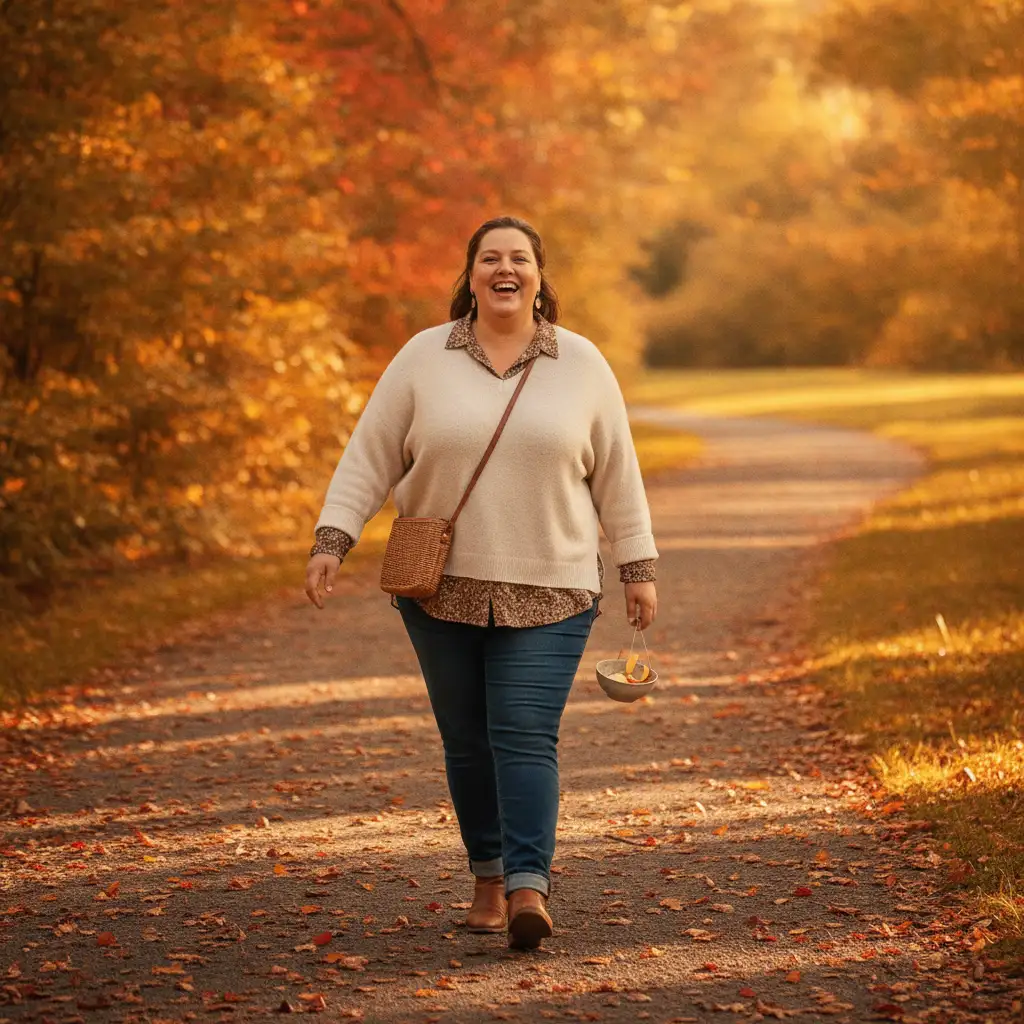
This article is part of the same work-life weight loss cluster as walking for weight loss plan free, because long schedules often create the same practical barriers: irregular meals, decision fatigue, skipped movement, and stress-driven snacking.
Walking After Breakfast Weight Loss
Harnessing Your Body’s Natural Rhythms
Our bodies are intricate, beautiful machines that thrive on rhythm and consistency. When we eat, our digestive system kicks into gear. For many of us, that morning meal is the fuel that starts our engine for the day. Now, imagine giving that engine a gentle, yet invigorating, boost shortly after. That’s precisely what walking after breakfast can do.
Think about it: after your body has processed some of the food you’ve eaten, a gentle walk signals to your system that it’s time to get moving. This movement helps your body efficiently use the energy from your breakfast, rather than storing it. This is a crucial concept for anyone looking for effective walking after breakfast weight loss strategies. It’s about working with your body, not against it.
The Metabolic Magic of Post-Breakfast Movement
One of the most significant benefits of a post-breakfast walk is its impact on your metabolism. When you engage in physical activity, especially after consuming food, your body needs to burn calories to fuel that activity. This isn’t about an intense calorie burn; it’s about gently nudging your metabolic rate higher.
Research suggests that exercising after eating can help regulate blood sugar levels more effectively. When blood sugar is stable, your body is less likely to crave sugary, high-calorie snacks. A study published in the journal Diabetologia highlighted how postprandial exercise (exercise after a meal) can improve glucose control. While the study focused on glucose, the implications for weight management are substantial. Stable blood sugar means fewer energy crashes and less of that “hangry” feeling that often leads to poor food choices. This directly contributes to successful walking after breakfast weight loss by reducing opportunities for overeating.
Boosting Fat Burning and Insulin Sensitivity
Beyond just burning calories, walking after breakfast can also enhance your body’s ability to burn fat. When you’re active, your body accesses stored fat for energy. Combining this with a balanced breakfast rich in protein and fiber can further optimize this process. Protein helps you feel fuller for longer, and fiber aids digestion and satiety, both of which are cornerstones of sustainable weight loss.
Furthermore, regular physical activity, like walking, can improve insulin sensitivity. Insulin is a hormone that helps your cells absorb glucose from your bloodstream. When your cells are more sensitive to insulin, your body needs to produce less of it. Lower, more stable insulin levels are associated with reduced fat storage and a lower risk of developing type 2 diabetes. This is a fundamental aspect of the walking after breakfast weight loss phenomenon – it’s about creating an environment within your body that naturally favors leanness.
Curbing Cravings and Improving Mood
How many times have you found yourself reaching for a snack an hour or two after breakfast, even if you ate something substantial? This is often due to blood sugar fluctuations or simply habit. A gentle walk can be a powerful distraction and a mood-booster. The release of endorphins during exercise can elevate your mood, reduce stress, and decrease the likelihood of emotional eating.
By incorporating a walk, you’re not just physically moving; you’re also giving your mind a break. This mental reset can significantly impact your food choices for the rest of the day. Instead of thinking about what you can’t have, you’re focusing on a positive, self-care activity. This shift in mindset is invaluable for long-term walking after breakfast weight loss success, moving you away from restrictive thinking and towards sustainable habits.
The “When” and “How Long”: Finding Your Sweet Spot
So, you’re convinced! You want to try walking after breakfast. But when exactly should you go, and for how long? The beauty of this strategy is its flexibility. Ideally, aim to walk within 30-60 minutes after finishing your breakfast. This timing allows your body to begin digesting but before it’s completely settled.
As for duration, start with what feels comfortable. Even a 10-15 minute walk can be beneficial. As you build consistency and stamina, you can gradually increase the time to 20, 30, or even 45 minutes. The key is to make it a sustainable habit, not a chore. Listen to your body. If you feel a bit rushed or if your breakfast is very heavy, a slightly later or shorter walk is perfectly fine. The most important factor is consistency over intensity when it comes to reaping the rewards of walking after breakfast weight loss.
What to Eat for Breakfast to Maximize Benefits
While the walk is crucial, what you eat for breakfast plays a vital supporting role. To truly maximize your walking after breakfast weight loss efforts, aim for a breakfast that is balanced and satisfying. Focus on whole foods that provide a good mix of protein, healthy fats, and complex carbohydrates.
Examples include:
* Oatmeal: Made with water or unsweetened plant-based milk, topped with berries, nuts, or seeds.
* Eggs: Scrambled, boiled, or as an omelet with vegetables.
* Greek Yogurt: Plain, with fruit and a sprinkle of granola.
* Whole-wheat toast: With avocado and a sprinkle of chili flakes, or with a thin layer of nut butter.
These options provide sustained energy, help you feel full, and prevent the dreaded post-breakfast energy slump that can derail your intentions. Avoiding sugary cereals, pastries, and highly processed breakfast bars is recommended, as they can lead to rapid blood sugar spikes and subsequent crashes.
Making it a Sustainable Habit
Consistency is king when it comes to weight loss. To make walking after breakfast a lasting habit, integrate it into your daily routine. Here are a few tips:
- Set a Reminder: Use your phone or calendar to remind you.
- Prepare in Advance: Lay out your walking clothes the night before.
- Find a Walking Buddy: If you can, have a friend or family member join you. Accountability makes a big difference!
- Vary Your Route: Explore different paths in your neighborhood to keep things interesting.
- Listen to Music or Podcasts: Make your walk enjoyable.
- Track Your Progress: A simple journal or app can help you see how far you’ve come.
Remember, this isn’t about perfection; it’s about progress. If you miss a day, don’t beat yourself up. Just get back on track the next day. For those looking for more structure and guidance, exploring a comprehensive walking for weight loss plan free can provide additional support and motivation to keep you moving forward.
Beyond the Scale: The Holistic Benefits
The benefits of walking after breakfast extend far beyond what the scale might indicate. This habit can contribute to a profound sense of well-being. Improved digestion, reduced stress levels, better sleep quality, and increased energy are all common outcomes reported by individuals who consistently incorporate this simple activity into their lives.
When you feel good physically and mentally, you’re more likely to make healthier choices throughout the day. It creates a positive feedback loop: you feel better, you eat better, you move more, and you feel even better. This holistic approach is what truly supports sustainable weight loss and a healthier lifestyle.
Key Takeaways
- Metabolic Boost: Walking after breakfast gently increases your metabolic rate, helping your body burn more calories.
- Blood Sugar Regulation: It aids in stabilizing blood sugar levels, reducing cravings for unhealthy snacks.
- Fat Burning & Insulin Sensitivity: Regular post-breakfast walks can enhance your body’s ability to burn fat and improve insulin sensitivity.
- Mood Enhancement: The release of endorphins can improve your mood and reduce stress, mitigating emotional eating.
- Digestive Aid: A gentle walk can support healthy digestion after your meal.
- Sustainability: Focus on consistency over intensity for long-term success.
- Balanced Breakfast: Pair your walk with a nutritious breakfast for optimal results.
Frequently Asked Questions
Q1: How long after breakfast should I go for a walk?
It’s generally recommended to wait about 30 to 60 minutes after finishing your breakfast before heading out for your walk. This allows your digestive system to begin processing your meal.
Q2: What kind of pace should I aim for?
The pace isn’t as important as the consistency. Aim for a brisk but comfortable pace where you can still hold a conversation. The goal is gentle movement to support your metabolism and digestion, not an intense workout.
Q3: Is it okay to walk if I had a heavier breakfast?
Yes, it’s still beneficial. If you’ve had a particularly large or heavy meal, you might want to wait a bit longer, perhaps closer to 60 minutes, or opt for a slightly slower, more leisurely pace for your walk.
Q4: Can walking after breakfast help with weight loss if I don’t change my diet?
While walking after breakfast weight loss can contribute to burning extra calories and improving metabolism, for significant and sustainable weight loss, it’s best to combine it with a balanced, healthy diet. Nutrition plays a crucial role.
Q5: What if I can’t walk outside?
If weather or other circumstances prevent you from walking outdoors, you can still achieve benefits by walking in place indoors, using a treadmill, or even doing some gentle movement like stretching or yoga in your living room for a similar duration. The key is consistent physical activity post-meal.
More Guides in This Cluster
Use these related guides to cover the same weight-loss problem from a practical angle: