
For so many of us, the phrase “lose weight” conjures images of grueling gym sessions, endless cardio, and a general sense of dread. If you’ve ever found yourself asking, “how to lose weight when you hate exercise?” you’re not alone. The good news is, shedding pounds sustainably doesn’t have to feel like a punishment. It’s about finding a balance that fits your life, your preferences, and your body’s unique needs. Forget the idea that you need to become a marathon runner or a weightlifting champion overnight. We’re going to explore practical, enjoyable, and realistic strategies that can help you achieve your weight loss goals, even if the thought of exercise makes you want to crawl back under the covers.
The most effective approach to losing weight when you hate exercise isn’t about finding some magic bullet or a secret workout that bypasses the need for movement altogether. Instead, it’s about building a sustainable system that acknowledges your dislike for traditional exercise but still incorporates the necessary components for weight management. This means focusing on small, consistent changes, making smarter food choices, and finding ways to move your body that don’t feel like a chore. It’s about creating a lifestyle, not a temporary fix.
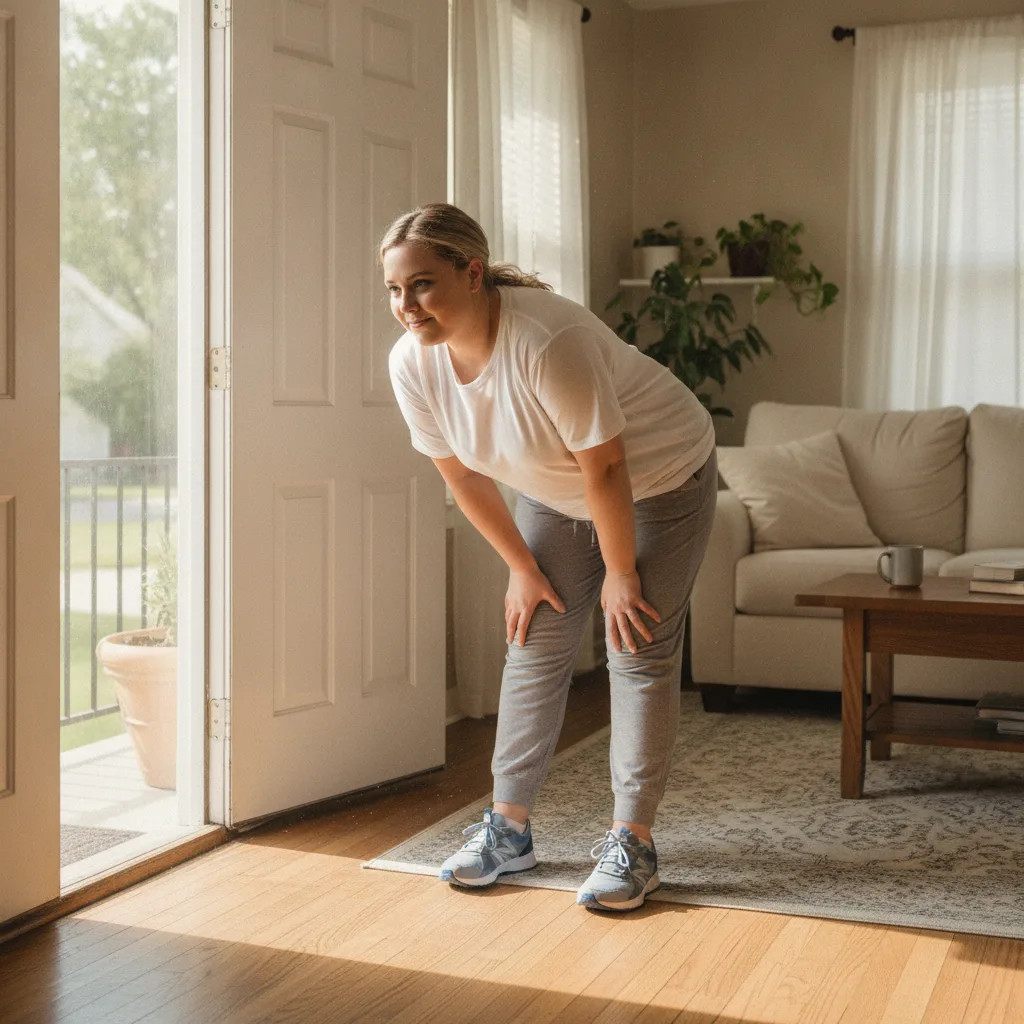
How to Lose Weight When You Hate Exercise
Rethinking “Exercise”: It’s About Movement, Not Torture
The word “exercise” itself can be a trigger for many who dislike it. It often conjures images of sweat-drenched intensity, competitive environments, or repetitive motions that feel mind-numbingly boring. But here’s a crucial shift in perspective: weight loss doesn’t require what is traditionally defined as “exercise.” It requires movement. The goal is to increase your overall daily activity, and there are countless ways to do this that don’t involve a gym membership or a high-impact class. This is a fundamental concept for anyone wondering how to lose weight when you hate exercise.
Think about the activities you already do, or could potentially do, that get your body moving. Gardening, walking the dog, playing with your kids or grandkids, dancing in your living room, taking the stairs instead of the elevator – these are all forms of movement. The key is to find activities that you don’t actively resent, and ideally, that you might even find mildly enjoyable or at least tolerable. The American Heart Association emphasizes finding activities you enjoy, suggesting that “choosing physical activities you like can help you stick with them long-term.” This is vital advice for anyone struggling with exercise aversion. It’s not about finding the most effective exercise for weight loss, but the most accessible and least objectionable movement that you can consistently incorporate into your life.
Small Changes, Big Impact: Your Diet is Your Biggest Ally
When you’re trying to lose weight and you hate exercise, your diet will naturally become your most powerful tool. This isn’t about restrictive dieting or depriving yourself. It’s about making conscious, mindful choices that nourish your body and support your weight loss goals. Sustainable weight loss is often achieved through a caloric deficit, meaning you consume fewer calories than your body burns. While movement helps increase calorie expenditure, smart eating is the most direct way to manage your calorie intake. For many, this is the primary answer to how to lose weight when you hate exercise.
Focus on whole, unprocessed foods. These are generally more nutrient-dense and filling than their processed counterparts. Think lean proteins, plenty of vegetables, fruits, and whole grains. These foods provide essential vitamins and minerals, keep you feeling satisfied, and are naturally lower in calories. For example, swapping a sugary cereal for oatmeal topped with berries and nuts can make a significant difference in your daily calorie count and provide sustained energy. The National Institutes of Health offers comprehensive guidance on weight management, highlighting the importance of diet in their recommendations.
Making small, sustainable dietary changes is far more effective than attempting a drastic overhaul. Instead of cutting out entire food groups, consider gradual adjustments. Perhaps start by reducing your intake of sugary drinks, or adding a serving of vegetables to at least one meal per day. These incremental steps are less overwhelming and more likely to become lifelong habits.
Portion Control: A Gentle Approach to Calorie Management
One of the most effective dietary strategies for weight loss, especially when you’re not relying heavily on exercise, is mastering portion control. This doesn’t mean eating tiny meals that leave you feeling hungry. It means being mindful of how much you’re putting on your plate and in your body.
Using smaller plates can visually trick your brain into thinking you’re eating more, which can help you feel satisfied with less food. Paying attention to serving sizes on food labels is also crucial. Often, what we perceive as a single serving is actually two or more. When eating out, consider sharing an entrée or ordering a half-portion if available. Many restaurants offer larger portions than are necessary for a single meal. Being aware of these details can significantly reduce your calorie intake without feeling like you’re sacrificing flavor or enjoyment.
The Power of Hydration
Often overlooked, staying adequately hydrated is a simple yet powerful strategy for weight loss. Drinking water throughout the day can help you feel fuller, potentially reducing the amount of food you consume. Sometimes, thirst can be mistaken for hunger, so a glass of water might be all you need to curb an unnecessary craving.
Aim to drink water before meals. This can help you feel more satisfied and eat less. Replacing high-calorie beverages like soda, juice, and sweetened coffee drinks with water is a straightforward way to cut down on empty calories. Making water your primary beverage is a fundamental step for anyone looking to lose weight when exercise isn’t their preferred method.
Finding Your “Almost-Exercise”: Integrating Movement into Daily Life
Since the goal is to avoid traditional exercise, the focus shifts to integrating enjoyable or at least tolerable movement into your daily routine. This is where creativity and a willingness to experiment come in. Think about your current lifestyle and identify opportunities for increased activity. This is a key strategy for how to lose weight when you hate exercise because it makes movement feel natural rather than forced.
Walking: This is perhaps the most accessible form of movement. Can you walk to the grocery store instead of driving? Can you take a brisk walk during your lunch break? Can you park further away from your destination? Even short, frequent walks add up. Aim for a consistent number of steps each day. Many smartphones have built-in pedometers, and wearable fitness trackers can provide motivation and insights. The Centers for Disease Control and Prevention recommends aiming for at least 150 minutes of moderate-intensity aerobic activity per week, and walking is an excellent way to achieve this.
Household Chores: Don’t underestimate the calorie burn from everyday tasks. Vigorous cleaning, mowing the lawn, or even active gardening can contribute significantly to your daily movement. Put on some music and make it more enjoyable.
Active Hobbies: Do you enjoy spending time outdoors? Hiking, cycling, or even kayaking can be excellent ways to get your body moving without feeling like you’re “exercising.” If you have a garden, spending time tending to your plants can be a surprisingly effective way to burn calories and de-stress.
Play: If you have children or pets, engage with them actively. Playing fetch with your dog, chasing your kids around the park, or even a lively game of tag can provide a good workout in a fun, informal setting.
The key is to make these activities a natural part of your day, rather than something you have to schedule and force yourself to do. Consistency is more important than intensity.
The Mind-Body Connection: Mindful Eating and Stress Management
For many women trying to lose weight, the emotional and psychological aspects are just as important as the physical ones. Stress, emotional eating, and a negative relationship with food can all sabotage weight loss efforts. Cultivating a mindful approach to eating and managing stress can be incredibly beneficial, especially when exercise is not a primary focus.
Mindful eating, as promoted by institutions like Harvard T.H. Chan School of Public Health, involves paying full attention to the experience of eating and drinking, as well as to the body’s signals of hunger and fullness. This means slowing down, savoring each bite, and avoiding distractions like television or your phone while you eat. By doing so, you become more attuned to your body’s cues, preventing overeating and fostering a healthier relationship with food.
Stress management is also critical. When you’re stressed, your body releases cortisol, a hormone that can lead to increased appetite and fat storage, particularly around the abdomen. Finding healthy ways to manage stress – such as meditation, deep breathing exercises, spending time in nature, or engaging in a relaxing hobby – can significantly impact your weight loss journey. These practices help to regulate your hormones and reduce the urge to emotionally eat.
Building a Sustainable Lifestyle: Beyond the Scale
The ultimate goal of weight loss is not just to see a number change on the scale, but to improve your overall health and well-being. This means building habits that you can maintain for the long term, long after you’ve reached your initial weight loss goals. When you hate exercise, focusing on building a sustainable lifestyle that incorporates gentle movement, mindful eating, and stress management is the most effective strategy.
Instead of setting rigid goals that feel unattainable, aim for consistency. Celebrate small victories – a week of choosing water over soda, a consistent walking routine, a meal where you practiced mindful eating. These small successes build momentum and confidence.
Remember that weight loss is rarely a linear process. There will be ups and downs, plateaus, and days when you feel less motivated. The key is to not get discouraged and to get back on track as soon as possible. If you slip up, don’t view it as a failure. Instead, see it as a learning opportunity and recommit to your healthy habits.
Key Takeaways
- Redefine “Exercise”: Focus on increasing overall body movement rather than traditional, disliked workouts.
- Diet is Paramount: When exercise is a challenge, mindful eating and calorie-conscious food choices become your most powerful tools for weight loss.
- Prioritize Whole Foods: Opt for nutrient-dense, unprocessed foods to feel fuller and more satisfied.
- Portion Control is Key: Be mindful of serving sizes to manage calorie intake effectively without feeling deprived.
- Hydration Matters: Drinking plenty of water aids satiety, can curb cravings, and is a calorie-free beverage.
- Integrate Gentle Movement: Find enjoyable ways to incorporate movement into your daily routine, such as walking, active chores, or engaging hobbies.
- Mindful Eating & Stress Management: Cultivate a healthy relationship with food and manage stress to prevent emotional eating and hormone imbalances.
- Consistency Over Intensity: Aim for regular, sustainable habits rather than sporadic, high-intensity efforts.
- Celebrate Small Wins: Acknowledge and appreciate your progress to build motivation and long-term commitment.
More Guides in This Cluster
Use these related guides to cover the same weight-loss problem from a practical angle:
- how to lose weight when you hate cardio
- how to lose weight when you hate the gym
- how to lose weight with bad knees
- how to lose weight with bad knees and back
Frequently Asked Questions
How to lose weight when you hate exercise?
Losing weight when you dislike exercise is achievable by prioritizing dietary changes and integrating low-impact, enjoyable forms of movement into your daily routine. Focus on making gradual, sustainable shifts in your eating habits, such as increasing your intake of whole foods, practicing portion control, and staying well-hydrated. Simultaneously, find ways to move your body that don’t feel like a chore, like walking, gardening, or dancing. The key is consistency and finding what works for you without creating aversion.
What are some non-exercise ways to burn calories?
Several everyday activities can contribute to calorie expenditure without feeling like traditional exercise. These include vigorous house cleaning, gardening, walking for errands, taking the stairs, playing actively with children or pets, and even standing for extended periods. Focusing on increasing your Non-Exercise Activity Thermogenesis (NEAT) – the calories burned from all activities that are not sleeping, eating, or structured exercise – can make a significant difference.
How much weight can I realistically lose if I focus mainly on diet?
With a consistent caloric deficit achieved through dietary changes, it’s realistic for many individuals to lose 1-2 pounds per week. This rate is considered safe and sustainable by health experts. Focusing on nutrient-dense foods and managing portion sizes are crucial for creating this deficit without feeling overly restricted. Remember that individual results can vary based on metabolism, starting weight, and adherence to the plan.
Is it possible to lose weight without any physical activity at all?
While it’s technically possible to lose weight solely through calorie restriction (diet), it’s generally not recommended for long-term health and sustainability. Some level of physical activity is crucial for maintaining muscle mass, supporting metabolism, improving cardiovascular health, and enhancing overall well-being. Even minimal movement can significantly contribute to health benefits beyond just weight loss.
How can I overcome the mental block of “hating exercise”?
The best way to overcome a mental block towards exercise is to reframe your perspective. Instead of thinking of it as “exercise,” think of it as “movement,” “activity,” or “moving your body.” Focus on activities you genuinely enjoy or find tolerable, even if they are simple. Start with very short durations and gradually increase. Connect movement to other enjoyable aspects of your life, like listening to podcasts or music, or spending time outdoors. The goal is to find a positive association with moving your body.