
Mac and cheese. Lasagna. Creamy pasta with garlic bread on the side. These aren’t just foods — they’re feelings. They’re rainy Sundays, family dinners, the taste of being taken care of. And for years, every diet told me to give them up. Cold turkey. Replace them with steamed broccoli and call it progress. Except I never could, not for long. So I stopped trying to quit comfort food and started trying to understand it instead.
I’ve spent a ridiculous amount of time in my kitchen experimenting, sometimes with epic fails, but more often than not, with some really delicious wins. It’s all about smart swaps, not deprivation. Think of it as a delicious upgrade, not a punishment. I’m not a chef, and I’m definitely not a nutritionist, but I’ve learned a thing or two through trial and error, and a whole lot of reading. And I want to share some of those breakthroughs with you.
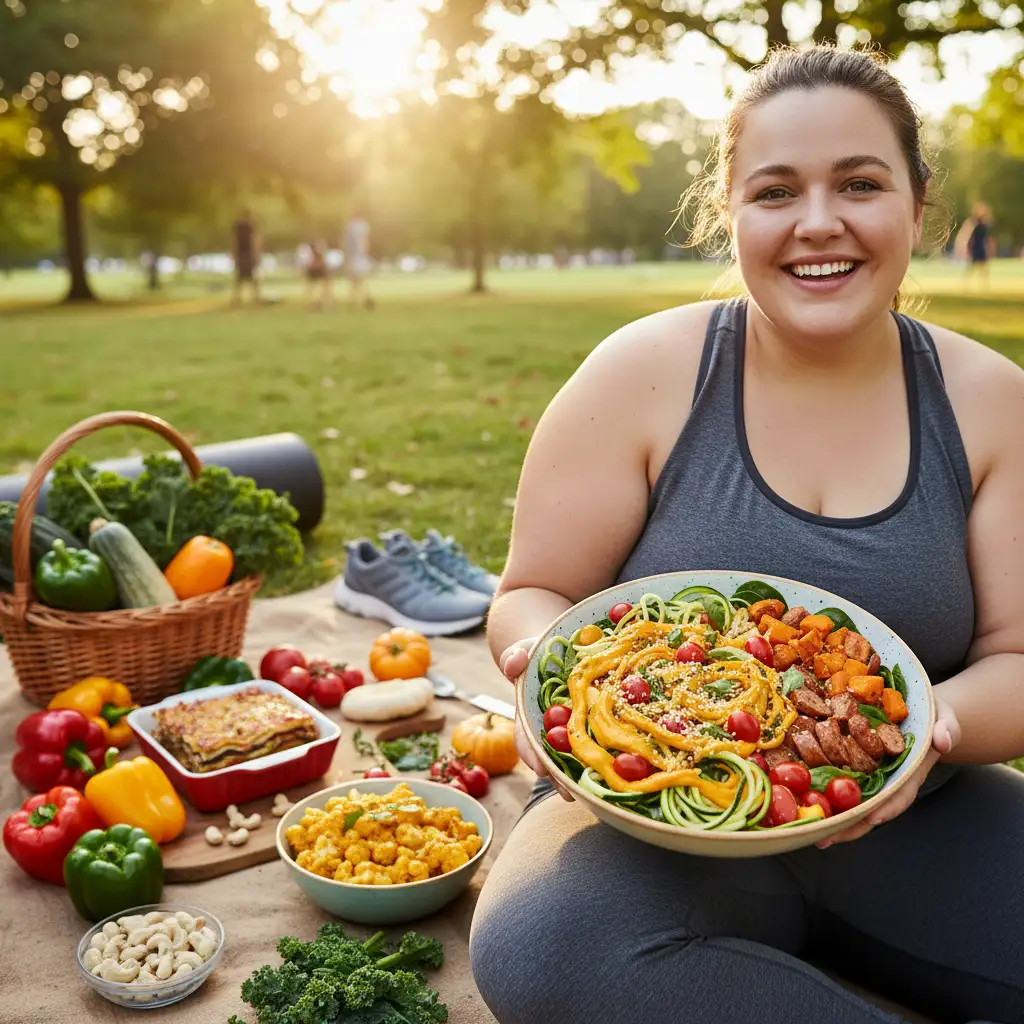
When you hear “healthy comfort food,” your mind might immediately go to bland, sad-looking plates of steamed broccoli. But that’s not what we’re aiming for here. We’re talking about making that cheesy goodness better. We’re talking about dishes that taste incredible but also fuel your body instead of weighing it down. It’s about finding that sweet spot where indulgence meets nourishment.
The Magic of Veggie-Centric Swaps
One of the easiest ways to lighten up your favorite dishes is to sneak in more vegetables. This isn’t a new idea, but it’s revolutionary when applied to your most beloved comfort foods. Take mac and cheese, for example. It’s a classic for a reason. But the traditional version can be a lot of refined flour and heavy cream.
My go-to healthier mac and cheese uses cauliflower. Now, I know what you might be thinking. Cauliflower? In mac and cheese? Trust me on this one. You boil the cauliflower until it’s super soft, then blend it with some milk (I use unsweetened almond milk, but any kind works), a little bit of Greek yogurt for extra creaminess and protein, and your cheese. The cauliflower becomes practically invisible, adding a creamy texture without all the extra calories and fat. You still get that cheesy, comforting flavor, but with added fiber and nutrients. Research from institutions like Tufts University has shown that increasing vegetable intake can have significant benefits for overall health and can even help with weight management by promoting satiety.
Another game-changer is zucchini lasagna. Instead of thick layers of pasta, you use thinly sliced zucchini, sometimes roasted a bit first to remove excess moisture. This drastically cuts down on the carbs and calories. You can still layer it with your favorite marinara sauce, lean ground turkey or beef, and plenty of ricotta and mozzarella cheese. The zucchini softens beautifully during baking, almost taking on the texture of the pasta itself. It’s a hearty, satisfying meal that won’t leave you feeling like you’ve overdone it.
Beyond Pasta and Cheese
It’s not just about Italian or American classics. Think about other comfort foods. For example, shepherd’s pie is a favorite for many. A healthier take often involves a filling made with lean ground meat and lots of veggies like carrots, peas, and onions, topped with mashed sweet potatoes instead of regular white potatoes. Sweet potatoes offer more fiber and vitamin A, and they have a lovely natural sweetness that complements the savory filling perfectly.
Even something like pizza can be made healthier. Instead of a thick white flour crust, you can opt for a whole wheat crust, a cauliflower crust (yes, again!), or even portobello mushroom caps as individual bases. Load up on veggies and lean protein like grilled chicken, and go lighter on the cheese. You still get that pizza experience, but with a nutritional upgrade.
The Power of Smart Ingredient Choices
Beyond just adding vegetables, looking at the specific ingredients you use can make a huge difference. It’s about understanding the role of certain ingredients and finding healthier alternatives that perform a similar function.
For instance, when you’re making creamy sauces or soups, instead of relying solely on heavy cream, try using blended silken tofu, pureed white beans, or even Greek yogurt. These can add creaminess and body without the saturated fat. The American Journal of Clinical Nutrition has published numerous studies highlighting the benefits of reducing saturated fat intake for cardiovascular health, and these swaps are a delicious way to do it.
When it comes to thickening, cornstarch or flour are common, but you can also use pureed vegetables or even a roux made with whole wheat flour and a healthier fat like olive oil. It takes a little experimentation to find the right texture, but the results are worth it.
Rethinking Portion Sizes and Mindful Eating
Even with healthier versions, portion control still matters. It’s easy to overeat, even when you’re eating nutritious food. One strategy I’ve found helpful is to focus on what’s on the plate. When I’m making something like a healthier mac and cheese, I might serve it with a generous side salad or some steamed green beans. This fills up my plate and my stomach with nutrient-dense, low-calorie foods, which naturally helps me eat less of the richer component.
Mindful eating is also crucial. This means really paying attention to your food – its taste, its texture, how it makes you feel. When you’re eating a healthier comfort food, savor it. Eat slowly. Notice the flavors. This not only makes the meal more enjoyable but also helps you recognize when you’re truly full, preventing overeating. Studies have indicated that mindful eating practices can lead to better weight management and a healthier relationship with food.
It’s About Progress, Not Perfection
I want to be super clear: This isn’t about making every single meal a masterpiece of health food. It’s about finding ways to enjoy the foods you love without feeling like you’re sabotaging your efforts. It’s about making small, sustainable changes that add up over time. Some days, you might have the traditional, less-healthy version, and that’s okay. The goal is to have options. It’s about empowering yourself with the knowledge and the recipes to make those smarter choices more often.
It’s taken me a while to get comfortable with the idea that comfort food doesn’t have to be synonymous with “unhealthy.” I used to think I had to completely cut out my favorites to see any changes. But that approach just led to deprivation, cravings, and eventually, overindulgence. Learning these swaps has been a total game-changer for me, allowing me to feel satisfied and nourished without the guilt. It’s a journey, and I’m still learning, but these strategies have made a real difference in how I approach eating for both pleasure and health.
Making these smart swaps feels less like a restriction and more like an act of self-care. It’s about showing up for yourself, in the kitchen and on the plate, with kindness and creativity.