
The math we were all sold is deceptively simple: move more, eat less, and you’ll naturally preserve your vitality. We’ve spent decades obsessing over step counts and heart-rate zones, treating our bodies like machines that only require mechanical maintenance to keep ticking. But there’s a missing piece in the longevity puzzle that has nothing to do with a treadmill or a calorie-controlled plate. It turns out that some of the most profound biological shifts don’t happen when you’re pushing for a personal best in the gym; they happen when you step outside of yourself to serve others.
When you engage in altruistic activities, you’re doing far more than just “doing good.” You are orchestrating a complex chemical symphony within your own body. By dedicating your time and energy to a cause outside your immediate circle, you trigger a profound release of neurochemicals—specifically oxytocin, serotonin, and dopamine. This cocktail of neurotransmitters acts as a powerful counterbalance to the chronic stress hormones that accelerate our biological clocks.
The Science of Service and Your Cellular Health
It’s easy to dismiss the idea of service as a purely psychological boost, but the biological evidence is mounting. When you commit to volunteering to reduce biological age, you aren’t just improving your mood; you’re actively calming your immune system. Researchers at Carnegie Mellon University discovered that adults over the age of 50 who volunteered for at least 200 hours per year had a 40% lower risk of developing hypertension compared to non-volunteers. This isn’t just about stress reduction in the traditional sense; it’s about a physiological shift that protects your cardiovascular system from the wear and tear of aging.
Beyond blood pressure, we are seeing evidence that suggests our very DNA benefits from our generosity. A 2020 study published in the Journal of Happiness Studies highlighted a fascinating correlation between regular prosocial behavior and the preservation of telomeres—the protective caps on the ends of our chromosomes that typically shorten as we age. The data suggests that those who consistently give back may experience biological aging markers that are two to four years younger than their chronological age. By helping others, you are effectively slowing the decay of your own genetic foundation.
Lowering Inflammation Through the Helper’s High
One of the most persistent enemies of a youthful metabolism is systemic, low-grade inflammation. We often look to diet to solve this, but your social behavior plays an equally important role. When you find yourself in the “helper’s high”—a state of heightened well-being after performing a kind act—your body experiences a measurable drop in inflammatory cytokines, such as IL-6 and TNF-alpha. These markers are primary drivers of age-related diseases.
In fact, research indicates that this prosocial shift can reduce these inflammatory markers by as much as 17%. When you volunteer, you’re dampening the body’s “fight or flight” response, which is often stuck in the “on” position in our modern, fast-paced lives. By shifting your focus toward connection and community, you allow your parasympathetic nervous system to take the lead. This creates an environment where your cells can focus on repair rather than defense, making volunteering to reduce biological age a cornerstone of a truly comprehensive wellness strategy.
Creating a Sustainable Rhythm of Contribution
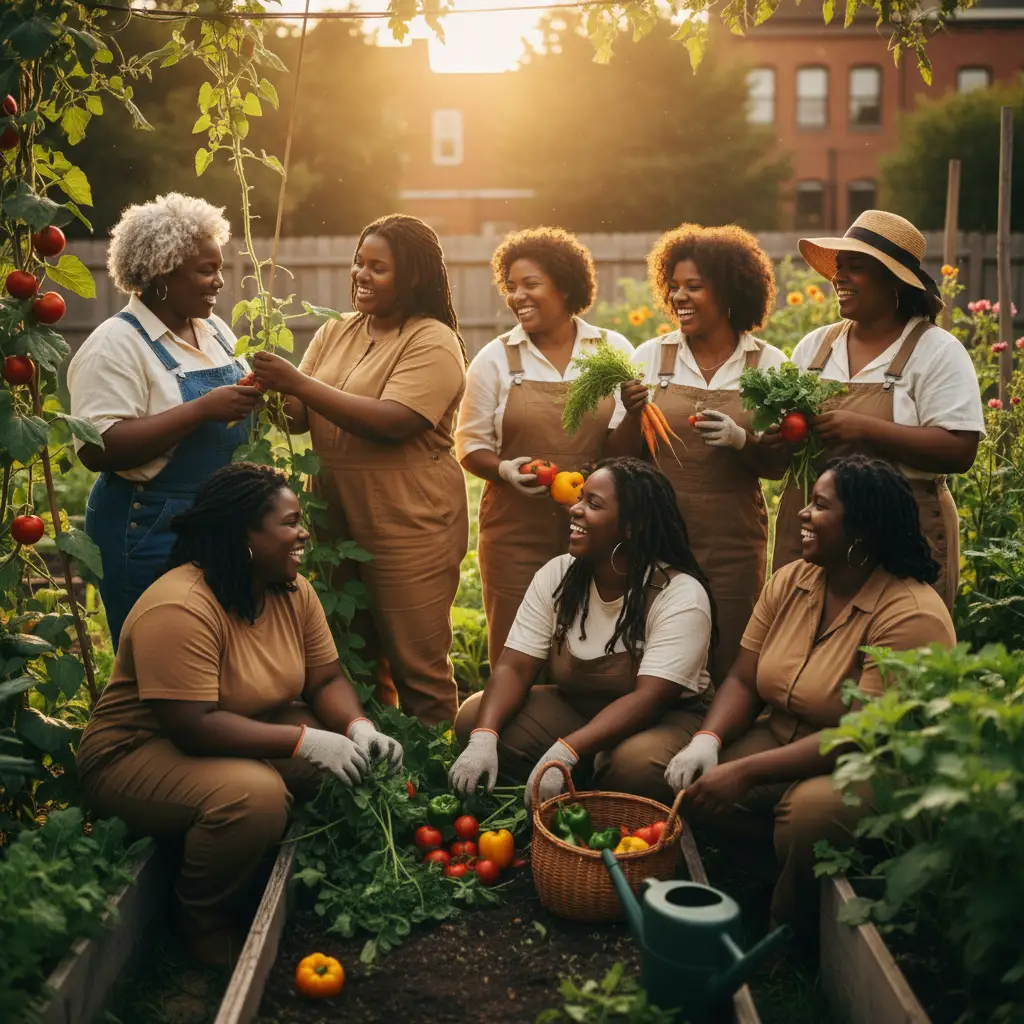
Integrating this into your life doesn’t require a radical overhaul of your schedule. You don’t need to quit your job to work at a shelter, nor do you need to commit to grueling, high-impact tasks. The biological benefits emerge from consistency rather than intensity. Whether it’s mentoring, assisting in a community garden, or organizing local resources for those in need, the key is the intentionality behind the action.
When you volunteer to reduce biological age, you’re creating a feedback loop of vitality. You feel better because you’re helping, and because you feel better, you’re more likely to continue moving, eating well, and engaging with your community. It’s a holistic approach that acknowledges we are social creatures hardwired for cooperation. We aren’t just meant to survive in isolation; we are meant to thrive in community. By leaning into these prosocial connections, you’re essentially telling your body that it is safe, it is valued, and it has a purpose—all of which are signals for your cells to prioritize longevity over decline.
Key Takeaways
- Dedicate at least 200 hours per year to volunteer work to significantly lower your risk of hypertension and support long-term cardiovascular health.
- Use prosocial activities to trigger the “helper’s high,” which reduces inflammatory markers like IL-6 and TNF-alpha by up to 17%.
- Prioritize community service as a longevity tool, as research shows it can preserve telomere length by an equivalent of 2-4 years of biological aging.
- Focus on consistent, low-stress altruism to allow your body to shift from a state of chronic defense to one of cellular repair and rejuvenation.
Frequently Asked Questions
How does volunteering to reduce biological age affect my inflammation levels?
Volunteering lowers inflammatory cytokines such as IL-6 and TNF-alpha, which are markers that typically increase with age and stress. By engaging in prosocial behavior, you trigger a “helper’s high” that shifts your nervous system away from a chronic “fight or flight” state, allowing your body to decrease these inflammatory markers by up to 17% and creating an environment where cells can focus on repair.
Is there a specific amount of time I should volunteer to see results?
While every act of kindness has value, research from Carnegie Mellon University suggests that around 200 hours per year is a significant threshold for seeing measurable health benefits, such as reduced hypertension. You can break this down into about four hours per week, making it a manageable addition to a busy lifestyle while still reaping the protective benefits for your heart and cellular health.
Can volunteering help me lose weight or improve my metabolism?
While volunteering is not a direct weight-loss intervention, it indirectly supports a healthy metabolism by reducing systemic inflammation and lowering chronic stress. High levels of stress hormones like cortisol are linked to metabolic slowdown and weight gain. By lowering these hormones through the emotional rewards of helping others, you create a more balanced internal environment that is more conducive to maintaining a healthy weight and metabolic rhythm.
Does the type of volunteering matter for my anti-aging results?
The most important factor is the genuine sense of connection and purpose you derive from the activity. Whether you are mentoring, serving meals, or helping with environmental conservation, the “helper’s high” is fueled by the feeling of social contribution. Choose a cause that resonates with your values, as your authentic engagement will better facilitate the neurochemical release that ultimately helps slow your biological aging.